Sign up today and you will receive a free copy of our Future Focus 2026 report - the leading resource for IT decision-maker insight on priorities and investment areas in AI, security and more.
You are now subscribed
Your newsletter sign-up was successful
An account already exists for this email address, please log in.
Eee PC sales miss expectations
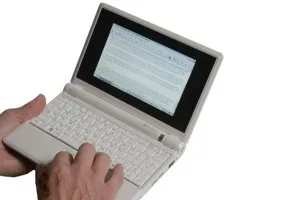
Latest sales figures for the once highly-popular ultra lightweight and ultra cleap laptop range have fallen short of expectations amid component shortages.
PC maker Asus has revealed that sales of its Eee PC cheap laptops fell short of expected levels in the first half of 2008.
The low-budget ultraportable has been highly successful for the company, spawning several revisions of the laptop and even plans for a desktop machine based on the same platform.
However, according to a report published by Digitimes, Asus shipped 1.7 million of the devices in the first six months of the year - 300,000 below forecast.
Shortages of Intel's Atom processors and various other component supply problems have been blamed for Asus's missed target.
Nevertheless, the company remains confident that it will sell five million of the mini-laptops by the end of the year.
In related news, Acer claims it has sold out of its Eee PC rival, the Aspire One. Acer says it will ship 15,000 of the devices every day following the launch of a Windows XP version later this month, and claims it has secured a fixed allocation of Atom processors from Intel.
Acer president Scott Lin claims that netbooks will eventually comprise 10-15 per cent of overall laptop sales.
Get the ITPro daily newsletter
Sign up today and you will receive a free copy of our Future Focus 2026 report - the leading resource for IT decision-maker insight on priorities and investment areas in AI, security and more.
Barry Collins is an experienced IT journalist who specialises in Windows, Mac, broadband and more. He's a former editor of PC Pro magazine, and has contributed to many national newspapers, magazines and websites in a career that has spanned over 20 years. You may have seen Barry as a tech pundit on television and radio, including BBC Newsnight, the Chris Evans Show and ITN News at Ten.


 PHP vulnerabilities spark global scramble as websites taken down
 Veeam launches new global program for sovereign service providers
