
The mood around enterprise AI is changing. Last year, businesses were writing blank checks for AI transformation. Few executives spared a thought about the cost of tokens because the pressure to build an AI strategy was too great. Where does that leave many businesses today? With ballooning token costs and returns that have failed to materialise, a widely cited report from MIT found that only 5% of AI pilot programmes have achieved strong revenue returns.
Enterprises have responded by being far more 'tokenomical' in their AI usage, although that hasn't stopped them from AI spending; 70% of small to medium-sized businesses (SMBs) say they will continue investing in AI into 2027, according to new HP research. Nor should they stop. But when it comes to organisational change as great as AI transformation, simply paying for employee access to a premium chatbot is not enough; you must modernise workflows too. That means really looking at the fundamentals of how people work day-to-day and bringing them up to speed.
One of these basics is paper. Now documentation might seem an odd place to look for AI gains. Most work seems to take place in the cloud, so isn't it a waste of time to think about physical documents or scanned PDFs? Not at all. The reality is that it remains deeply embedded in operations. Quocirca's 2026 annual report found that eight in 10 organisations still rely on printing to support key processes. Contracts still arrive with signatures, forms are completed by hand, and records are routinely scanned into PDFs. Much of the information enterprises want AI to analyse remains caught between the physical and digital worlds.

Scanning alone does not solve this. A document can exist as a PDF and still be effectively invisible and inaccessible. Employees might then compensate by manually renaming files, re-entering data, or downloading an unverified PDF editor only to realise it charges a subscription. Sure, a GPT may be able to give you answers in seconds, but the efficiency advantage is lost if someone spends twenty minutes finding the information it requires.
That's why print modernisation belongs within the wider AI strategy. Quocirca's Future of Work 2030 study found that 54% of organisations are accelerating investment in digital workflows, while 47% are also increasing investment in print infrastructure modernisation. The two go hand in hand. As businesses digitise more of their work, they also need a better way to bring the information that still arrives on paper into those digital workflows.
This is where a multifunction, AI-enabled printer earns its place at the table. It can serve as an entry point for information, determining whether a physical document becomes a static attachment or usable enterprise data. That is the thinking behind our new HP LaserJet Enterprise 5000 Series. On select models, intelligent scanning capabilities are able to extract and organise information from documents, convert scans into editable Office files, and help identify sensitive content for redaction. With the ability to scan two-sided documents at speeds of up to 200 images per minute, teams can move high volumes of information into digital workflows without the administrative bottleneck.
These capabilities matter because the quality of document capture shapes everything that follows. When a scan is searchable and editable from the outset, employees spend less time recreating information that the organisation already possesses. When documents can be routed directly into approved workflows through an application like HP Workpath, the gap between scanning and action becomes smaller. Guided Redaction, available on HP LaserJet Enterprise 5000 Series with the appropriate configuration, can also support users in identifying and removing sensitive information closer to the point of capture, rather than leaving it to be discovered later in the process.

This is also a security question. Network-connected printers are easy targets for attackers. Each print-related breach costs an average of just over £1 million, a jump from £820,000 a year ago. That's because, despite their access to sensitive data, they go unmonitored and unpatched, when clearly they should be treated with the same seriousness as any other workplace endpoint.
The HP LaserJet Enterprise 5000 Series combines HP Wolf Enterprise Security with Zero Trust Print Architecture, helping to ensure only verified users and devices can access sensitive information. It is the most advanced security in the business, with HP FutureSmart keeping devices up to date, while HP Security Manager helps IT teams maintain consistent policies across the fleet. The 5000 Series is also the first printer line-up to be built with quantum-resistant security, helping organisations prepare for the next generation of cyber threats rather than waiting for them to arrive. The objective is not simply to secure one machine, but to give enterprises greater visibility, consistency and resilience across the devices handling their information.
For IT leaders, the opportunity is no longer limited to replacing ageing hardware – something that's not always an easy sell in the boardroom. A refresh is an opportunity to secure the business against costly attackers while preparing it for the broader programme of AI workflows the company is investing in.
Enterprises are right to become more disciplined about the economics of AI, but reducing token consumption will only take them so far. The bigger prize comes from getting the fundamentals right. Print modernisation is a key aspect of eliminating workflow friction and prepping for AI transformation. So, take a moment to look at the points where information first enters the business; it might surprise leaders to find that the weakest link in an enterprise AI strategy may still be sitting beside the stationery cupboard.
Learn more about the HP LaserJet Enterprise 5000 series here.
-
 Apple launches 'privacy-first' AI upgrade to Siri – but it won't be available in the EU
News The long-awaited Siri AI is here, and Apple says it's making sure to protect users' privacy and security amid an ongoing "standoff" with the EU
-
 What are the biggest storage challenges facing businesses, and how can they be fixed?
Whitepaper If your business is contending with increasing complexity in storage infrastructure, you’re not alone.


-
 The memory shortage is hitting PC sales hard, but vendor revenues are still growing at the expense of consumers
News AI-driven component shortages are hurting PC sales, but device vendors are recording solid revenue growth
-
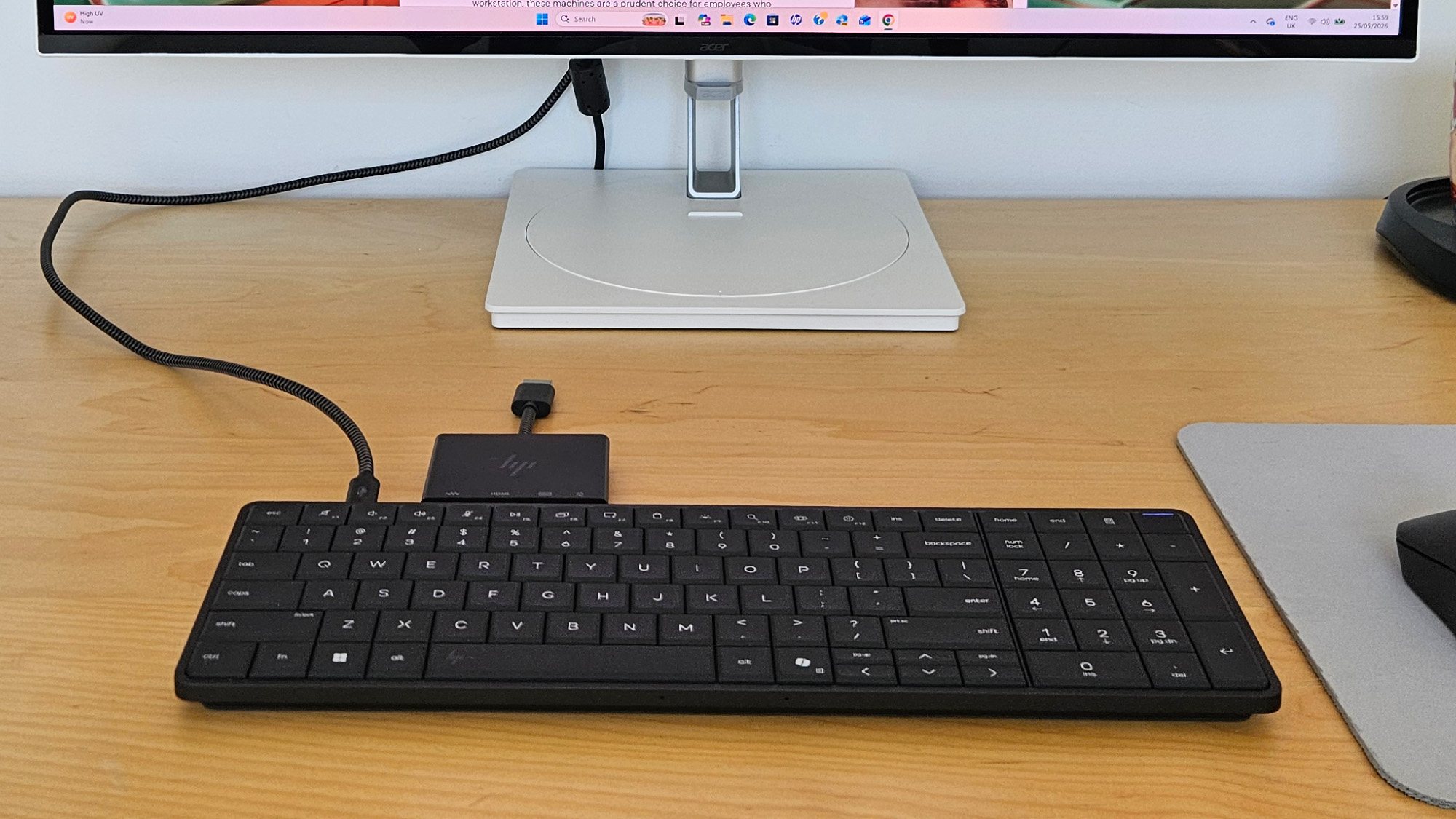 The HP EliteBoard G1a is an elegant and innovative device that blueprints a new form of mobile working
Reviews This year's most unusual enterprise device is a smart keyboard that threatens to disrupt the way you work
-
 Is AMD EPYC the right CPU for your AI models?
These top tips will help you decide if AMD EPYC CPUs are the right fit for your AI models
-
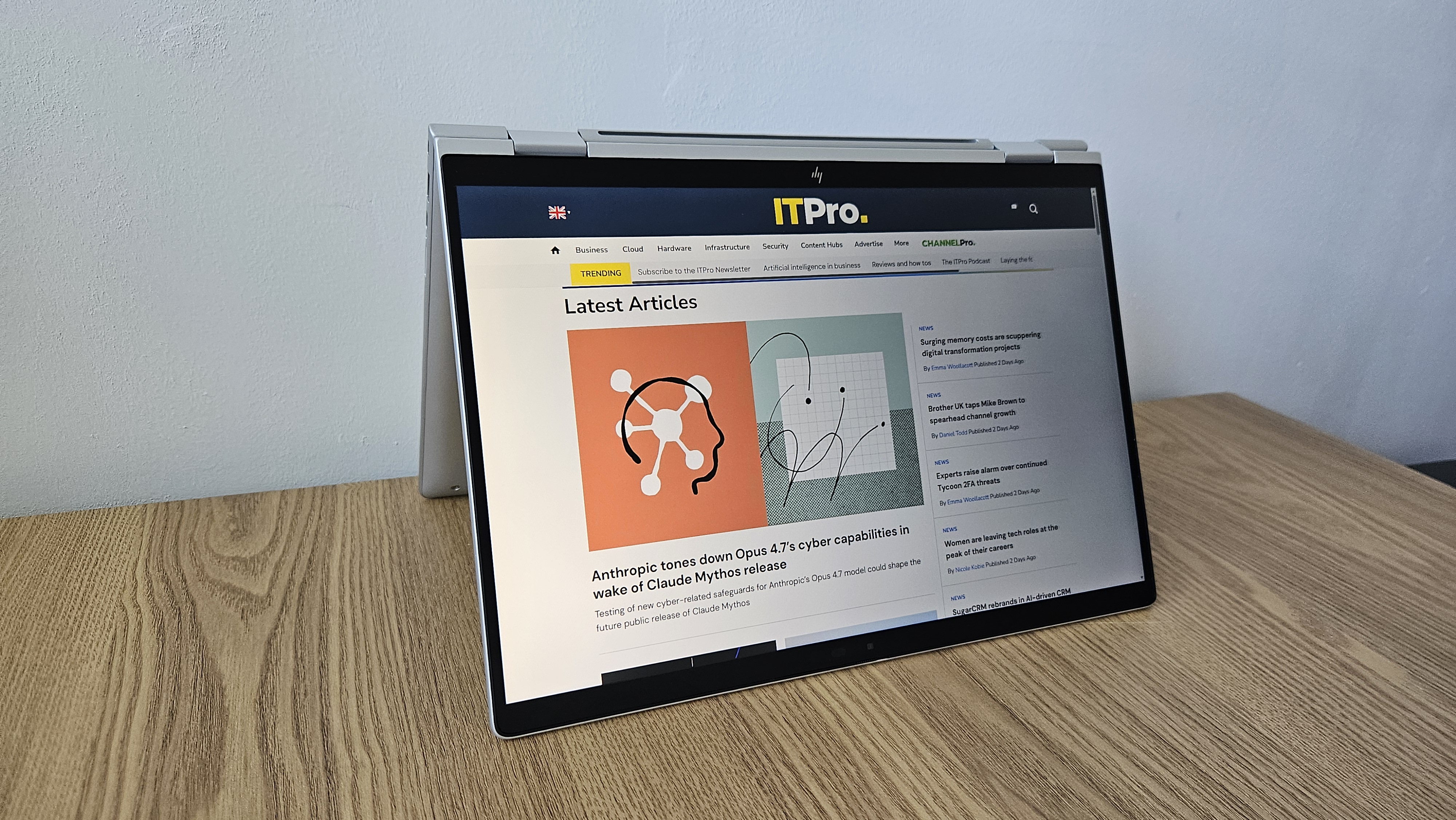 The HP EliteBook X Flip G1i offers peace of mind to paranoid professionals who crave mobile working
Reviews Looking past the lack of a multi-core roar in its Lunar Lake chip, there's very little to complain about in this mobile and security-centric hybrid machine
-
 Enterprises flock to AI PCs amid sharpened workforce productivity focus
News Leaders are adopting AI PCs to stay competitive and improve employee productivity
-
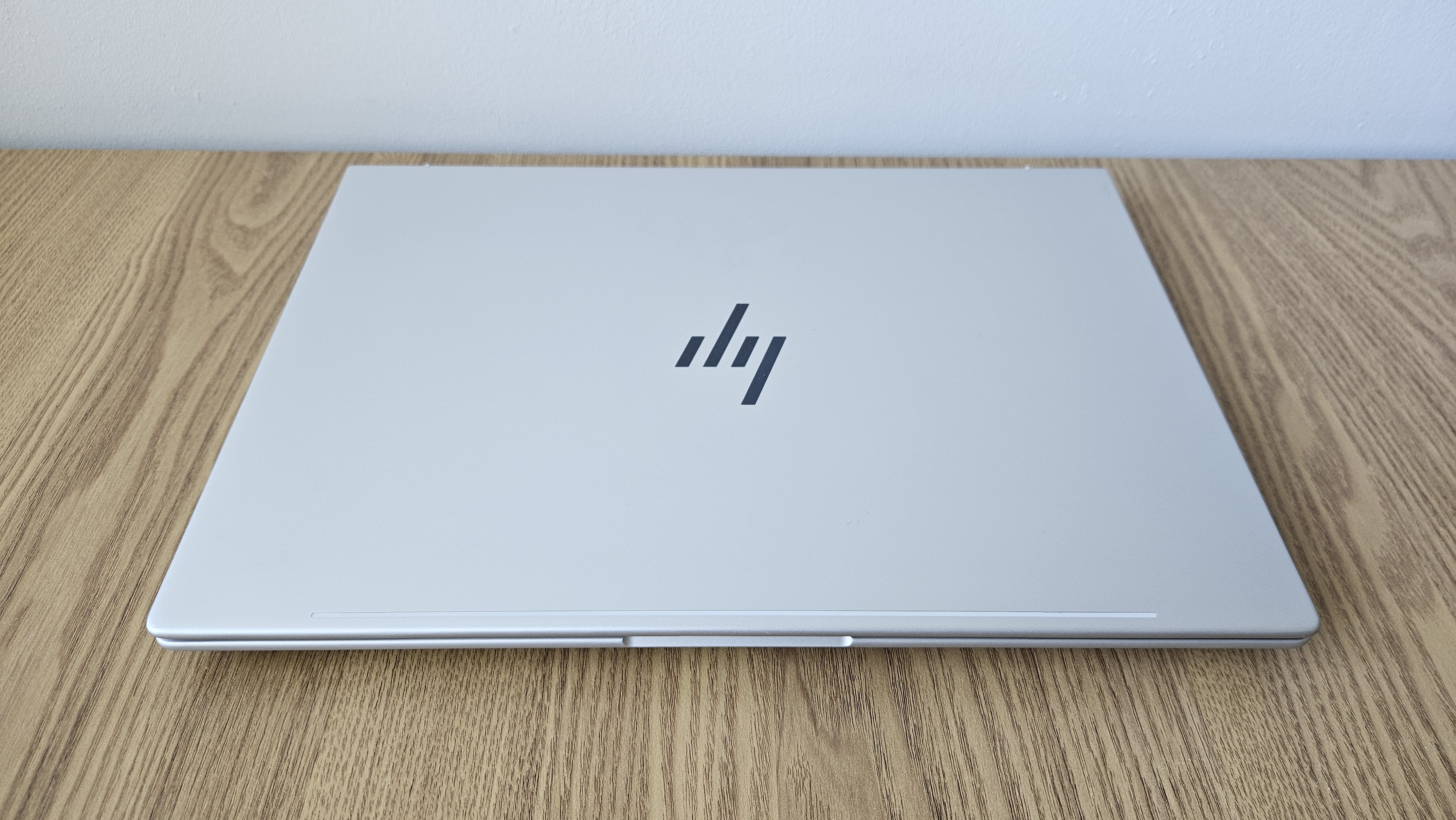 The HP EliteBook 8 G1a 16 is a portable 16-inch machine that'll keep your sensitive data under lockdown – but there's a catch
Reviews This simple and stylish 16in AMD-powered machine can help you work with peace of mind in the office or on the move, so long as you don't need to run many heavy-duty workloads
-
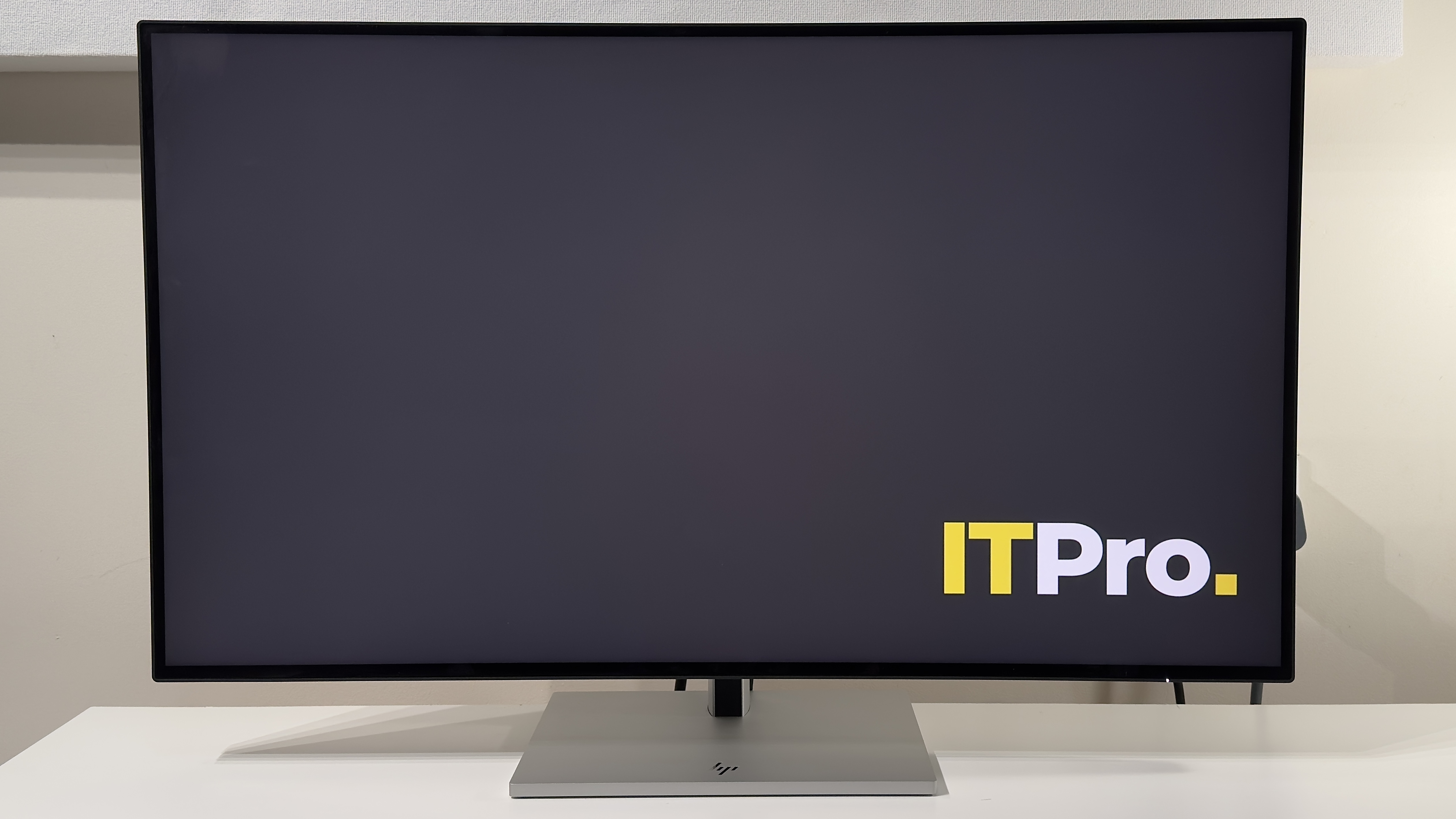 HP Series 7 Pro 732xk monitor review: A game-changer for big-screen productivity
Reviews The Series 7 Pro 732xk majors on style and productivity-focused image quality – only motion clarity misses the mark
-
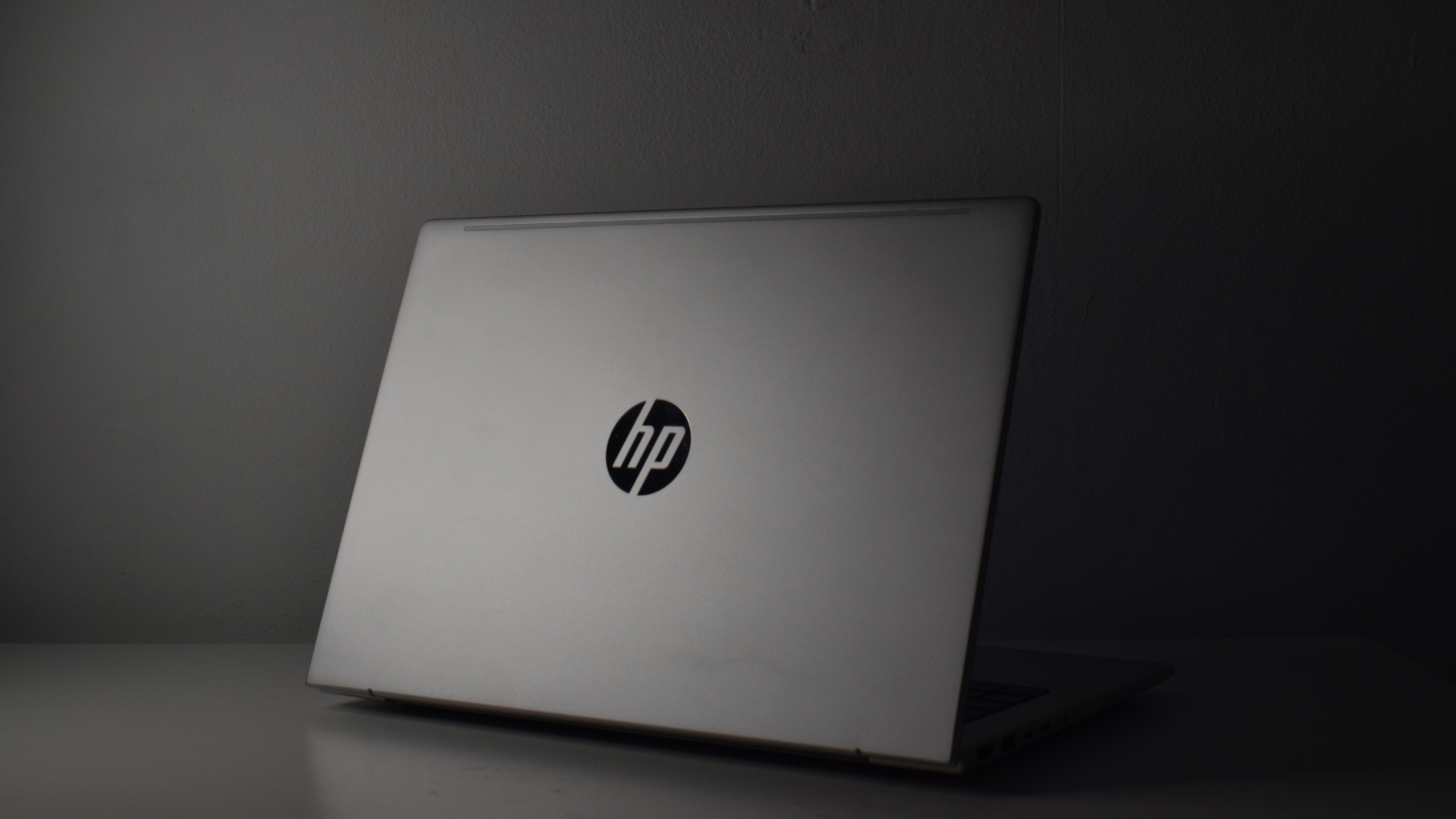 HP ProBook 4 G1a review: A no-frills business machine for the average office
Reviews A serious but dull business laptop, however, HP's ProBook 4 is a decent middle-tier machine


