Touchscreen laptops are always a bad idea – MacBook or otherwise
If the rumors of a touchscreen MacBook prove correct, it will kill my confidence in the brand


-
 The perfect SOC: How to boost defences
In-depth Some security operations centers (SOCs) are more effective than others, according to a recent advisory from the US Cybersecurity and Infrastructure Security Agency (CISA). What lessons can firms learn to build the perfect SOC?
-
 Your customers just gave a bot access to their wallet. Are your controls ready?
Industry Insights Bot customers now need identity trust frameworks, not just fraud detection tools


-
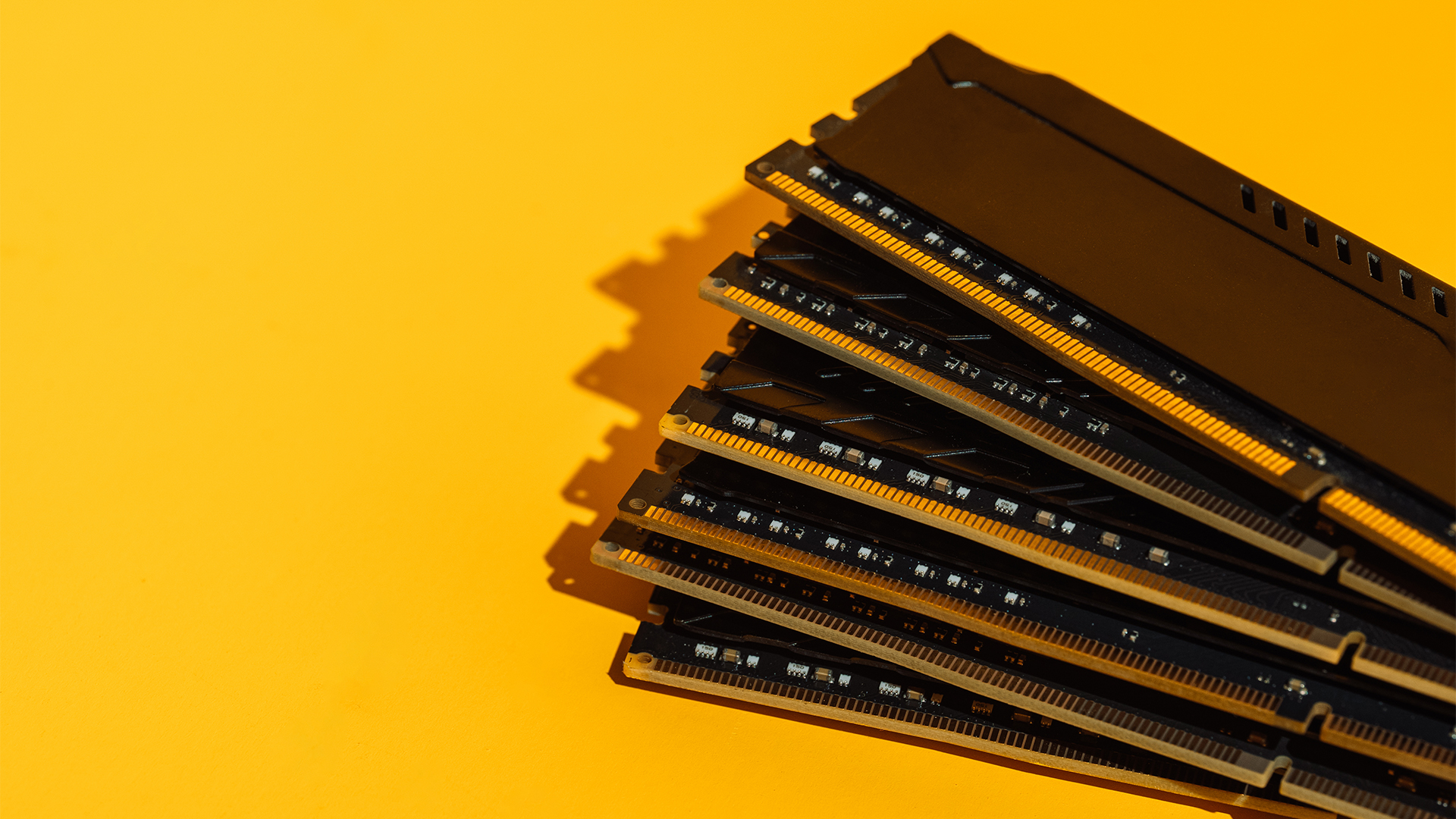 The memory shortage is hitting PC sales hard, but vendor revenues are still growing at the expense of consumers
News AI-driven component shortages are hurting PC sales, but device vendors are recording solid revenue growth
-
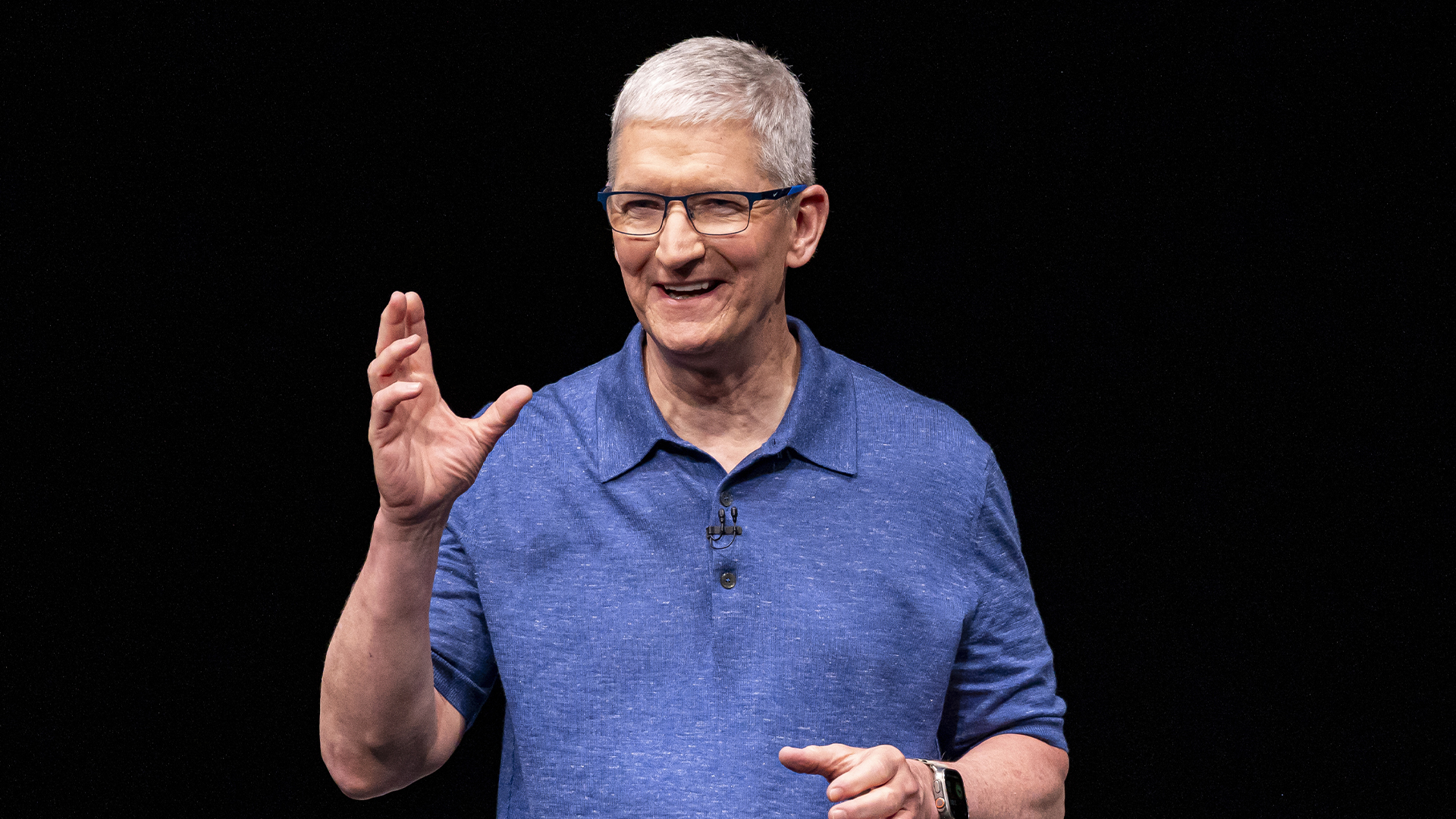 AI demand driving up Apple prices, says Cook
News Tim Cook says that rising component costs mean consumers have to pay more
-
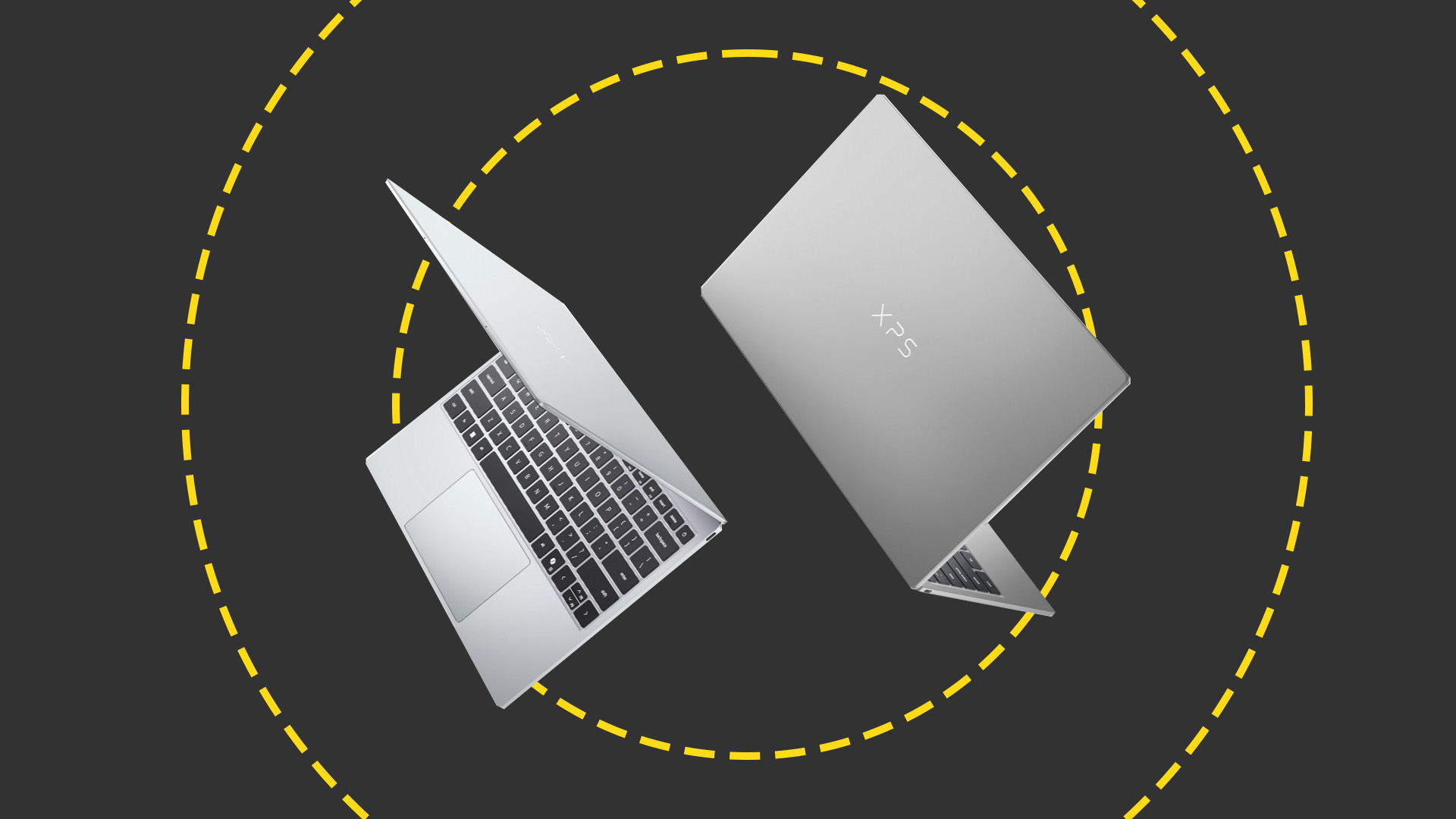 Dell sets the stage for a MacBook Neo showdown with budget XPS 13 laptop range
News The XPS 13 and MacBook Neo could be slugging it out in the budget hardware space
-
 Apple turns 50: here are ITPro's favorite devices
Opinion From a garage in California to one of the world’s most celebrated companies, Apple has spent five decades building some of our favorite tech products
-
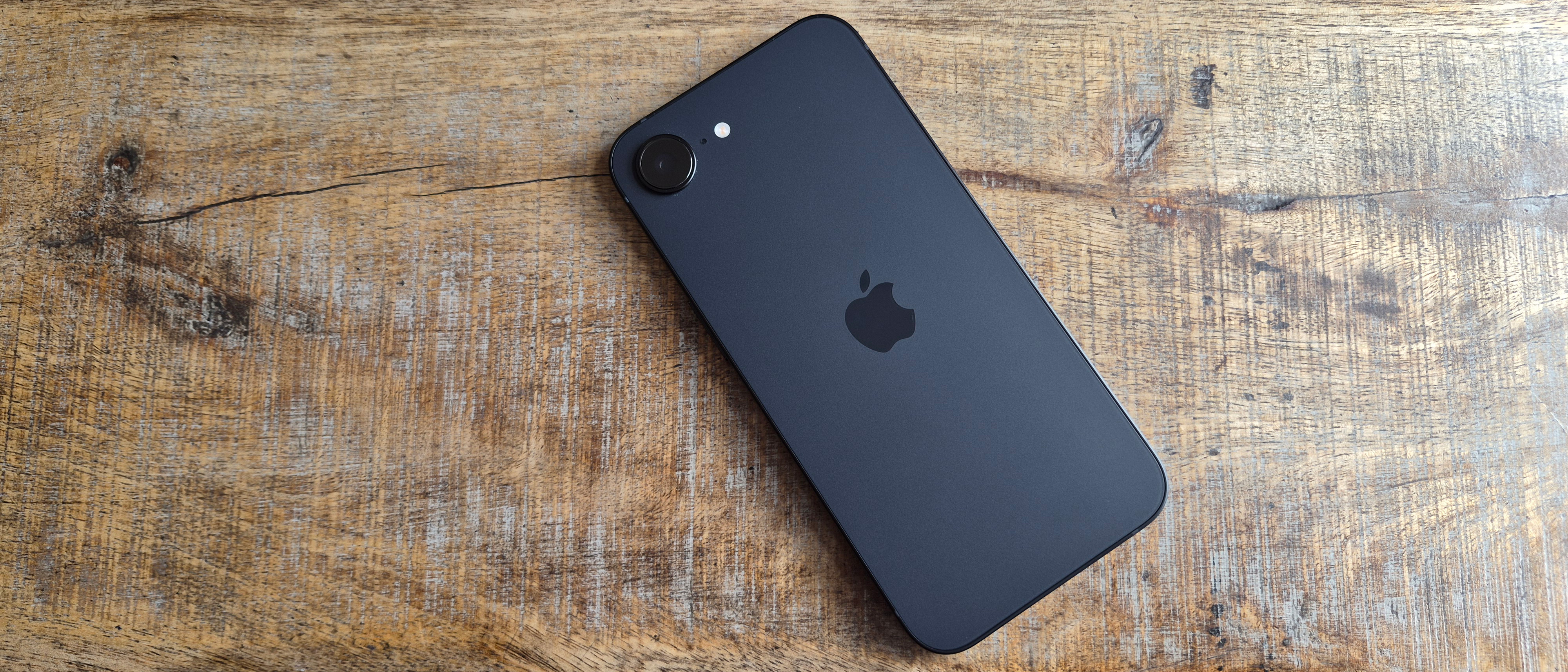 I love it when Apple makes a great budget device, and the iPhone 17e is an affordable powerhouse – the battery life is amazing
Reviews Top-tier chip, long battery life, and MagSafe connections – the iPhone 17e is a winner across the board
-
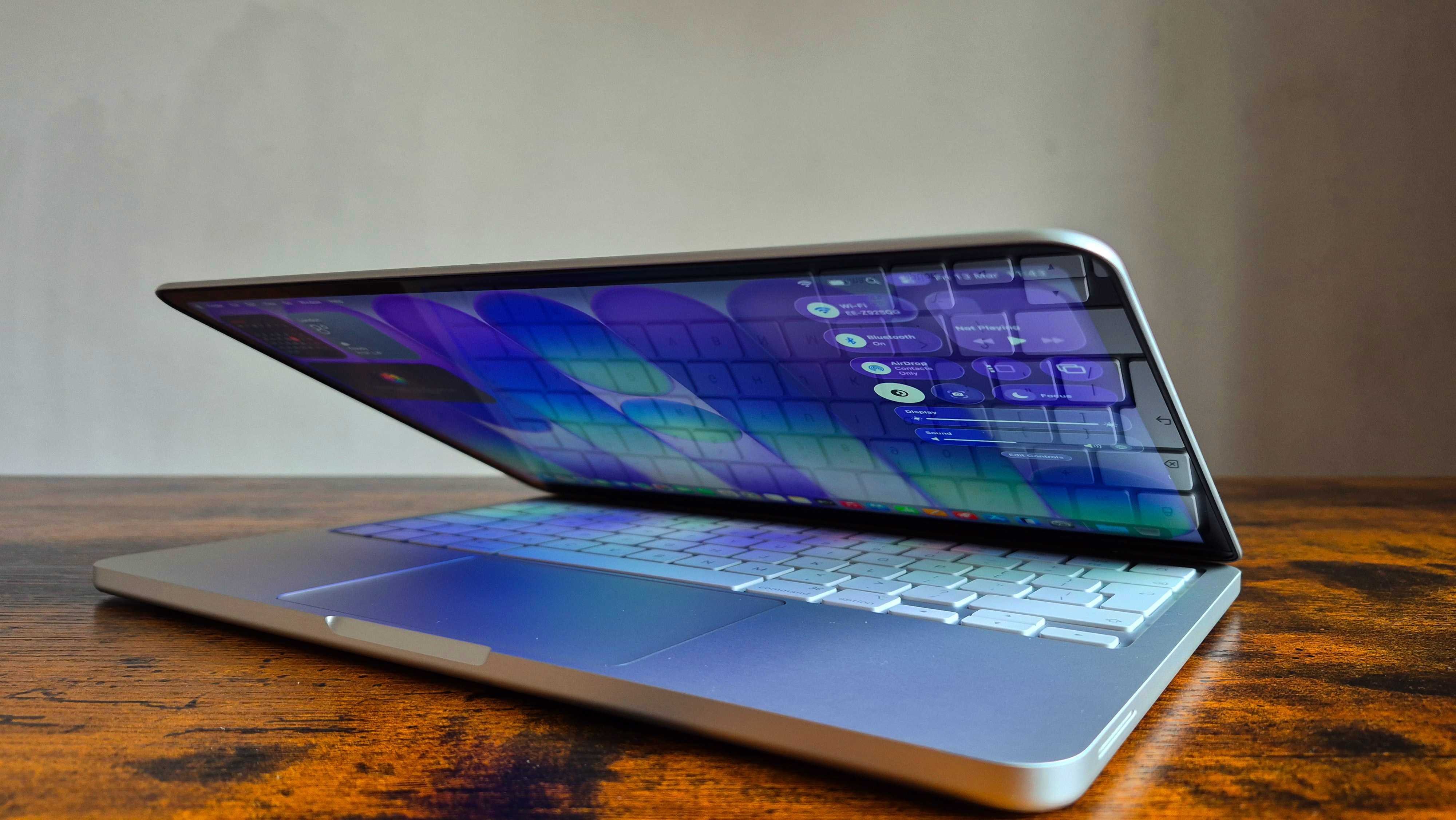 The MacBook Neo is the most disruptive product Apple has released since the iPhone – but it's probably Chromebooks that will lose out
Reviews Surprisingly good across the board, and affordable – the MacBook Neo is a mid-level marvel
-
 Has Apple stolen the budget laptop market?
ITPro Podcast The MacBook Neo is the tech giant's first budget laptop, and it's causing quite a fuss in the industry
-
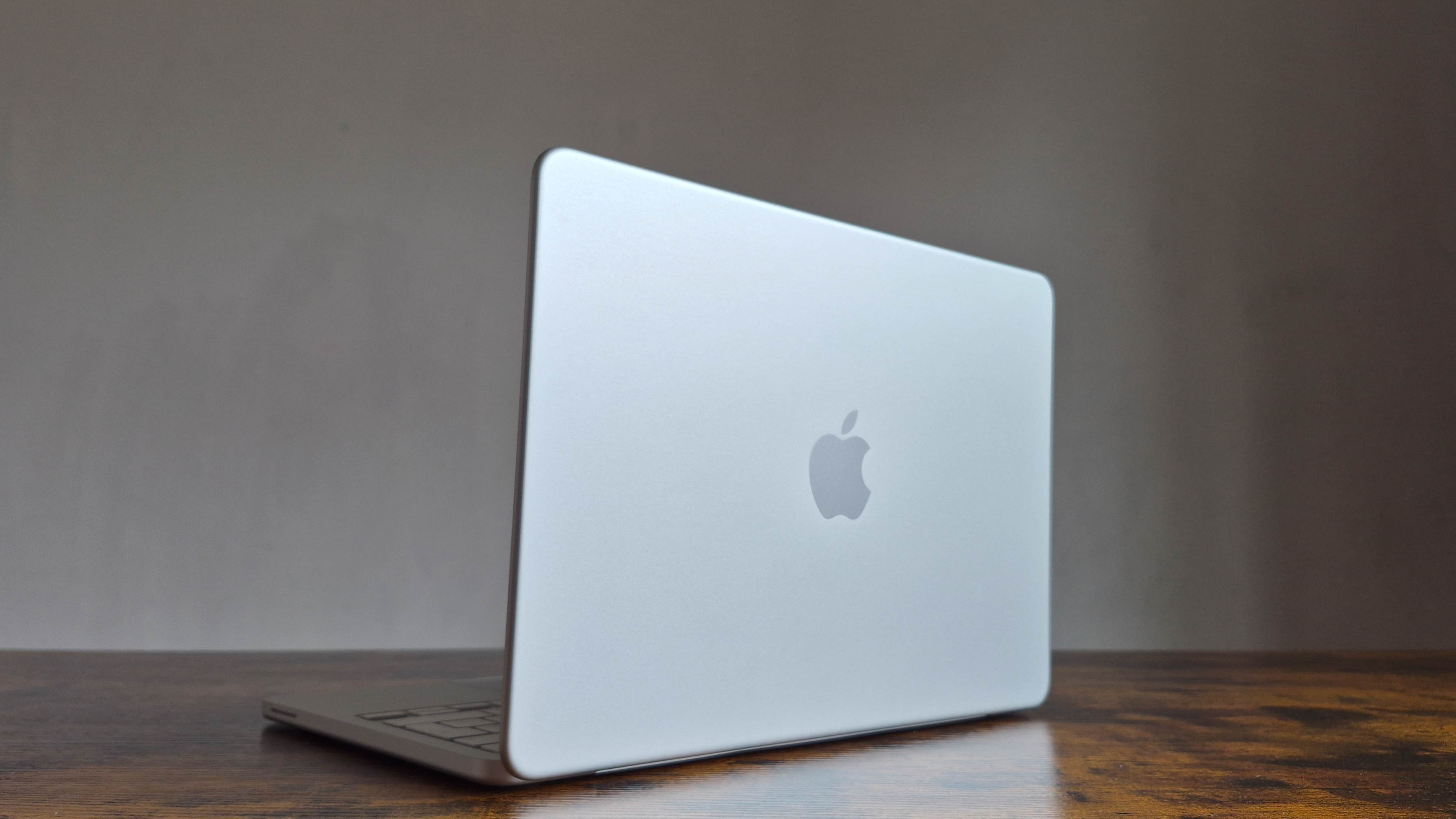 The MacBook Neo is another Apple master stroke, and it couldn’t have come at a better time
Opinion Apple looks set to hit another home run with the MacBook Neo, which can capitalize on hardware price rises


