

After a set of stellar earnings in September, Dell revealed it expects AI to make up 75% of all data center demand by the end of 2030. This staggering prediction comes as global organizations race to embrace the new generation of IT infrastructure, especially as they vie to take advantage of the possibilities the AI era has opened the door to. Doing so means rethinking what purpose the data center serves and how to position your infrastructure to serve these ambitions, however.
Rather than being a repository for general business operations, applications, web hosting, and databases, the on-premises data center of the future is purpose-built to handle AI-grade operations. This foundational infrastructure layer doesn't rely on standard computer processors and other conventional components but is a modern and dynamic beast. It incorporates different kinds of chips, including GPUs and TPUs, alongside different power provisioning, cooling needs, and memory. Modern infrastructure should go beyond what is expected to combine high-quality, high-density storage with intelligence capabilities and cybersecurity safeguards and resilience, including backup and disaster recovery.
In the AI era, businesses that face challenges with aging on-premises data centers should invest in the next generation of intelligent infrastructure, typified by Dell PowerStore. As tempting as options such as colocation or the public cloud might seem, retaining control over your organization's own IT operations at a reasonable cost basis is the only way to take advantage of the possibilities that the AI era offers. Far from simply being a question of scaling up, refreshing your on-premises infrastructure should feel like a complete architectural overhaul, with Dell serving as the perfect trusted partner to simplify this process.
Seeking an upgrade
"Rigid IT stacks, whether traditional three-tier or tightly coupled hyperconverged systems, struggle to adapt without triggering expensive, disruptive refresh cycles," Dell's SVP of data center solutions for Asia Pacific, Japan and Greater China (APJC) said in August. "The answer lies in rethinking the architecture itself."
Dell’s 2026 Modern Enterprise Readiness Report revealed a wide gap between business and IT decision-makers’ ambition to embrace the infrastructure of the future and the reality of execution. Organizations face uncertainty over the future in the wake of AI, with 49% of respondents saying they're struggling to adapt to the pace of changing business environments.
Although AI remains a priority, readiness is lagging, with legacy infrastructure many businesses back. After all, this kind of initiative is about optimizing IT infrastructure so the data, compliance, and security layers co-ordinate to give operations teams the best foundations to build on. Simple automation or pre-AI digital transformation isn’t enough.
According to the report, major barriers to scaling AI included data challenges, such as a lack of quality, access, and governance. Security, privacy, and compliance concerns are also a hurdle, as are high or unpredictable cloud and compute costs.
There's also hesitation in finding the right technological partner to move forward with. 92% of respondents said they would see a partner as a strategic imperative for delivering a unified server, storage and data protection platform. A further 69% of respondents said they won't press ahead with new AI projects unless their partner can demonstrate clear business impact and a defined risk management plan.
There are also physical and technical constraints associated with aging on-premises infrastructure. Consider, for example, the lack of sufficient power supply, with traditional data centers usually designed for low-rack densities versus the power-hungry high-compute clusters that can handle modern AI workloads. Upgrading infrastructure also means breaking down silos where data may remain isolated and there's also a need for more advanced cooling technologies to maintain reliable performance for much longer. If a unified, coherent approach to these architectural overhauls is lacking, it could lead to delays and bottlenecks as data shuttles around the system.
Intelligence by design
Modern infrastructure systems, like Dell PowerStore, are designed to help businesses overcome the challenges that aging on-premises infrastructure poses in the AI era. Unlike conventional platforms, Dell PowerStore is an intelligent and scalable unified data storage solution. These all-flash, high-performance appliances are designed to support complex and sophisticated workloads while enabling AI-powered operations and enterprise security and compliance capabilities. They also switch integration across private-cloud and hybrid-cloud environments, an appealing choice for enterprise cost-efficient aging infrastructure.
Dell PowerStore is adaptable, cost-efficient, and flexible, rising to the challenges posed when attempting to embrace modern operations while managing legacy tech. The new PowerStore Elite platform, for example, accelerates workload consolidation with up to 5.8PB of effective capacity in a single 3U system. PowerStore Elite also boasts an incredible average 6:1 data reduction ratio, meaning you can store six times more data per physical drive – drastically shrinking your footprint and saving both cooling and power costs. The unified storage architecture also supports different data and workload types, including containerized workloads. This is kept in a single global pool to prevent fragmentation so compute hardware has access to it as quickly as possible.
Once in place, Dell PowerStore and Lifecycle Extension optimize easily, thanks to in-place storage upgrades and Lifecycle Extension options. This allows organizations to grow their environments continuously without replacing the chassis and NVMe drives, which means no data migration either.
Dell PowerProtect is also an incredibly important aspect of the platform — offering resilience that goes beyond simple backup programs. It offers direct, native backup and recovery of block volumes without the need for a separate traditional server or application. Additionally, this suite of tools and baked-in security measures provides comprehensive cybersecurity and ransomware protection, giving organizations the peace of mind to press ahead with their AI ambitions in an increasingly dangerous world. Dell Cyber Detect, for instance, can discover ransomware signatures with Storee 99.99% accuracy.
If you want to learn more about how Dell PowerStore can provide the answer to your aging infrastructure woes, visit the Dell website: US readers click here and CA readers here

-
 Fees and AI lock-in contribute to the new data gravity
Industry Insights Channel partners must understand how the new data gravity influences cloud purchasing decisions
-
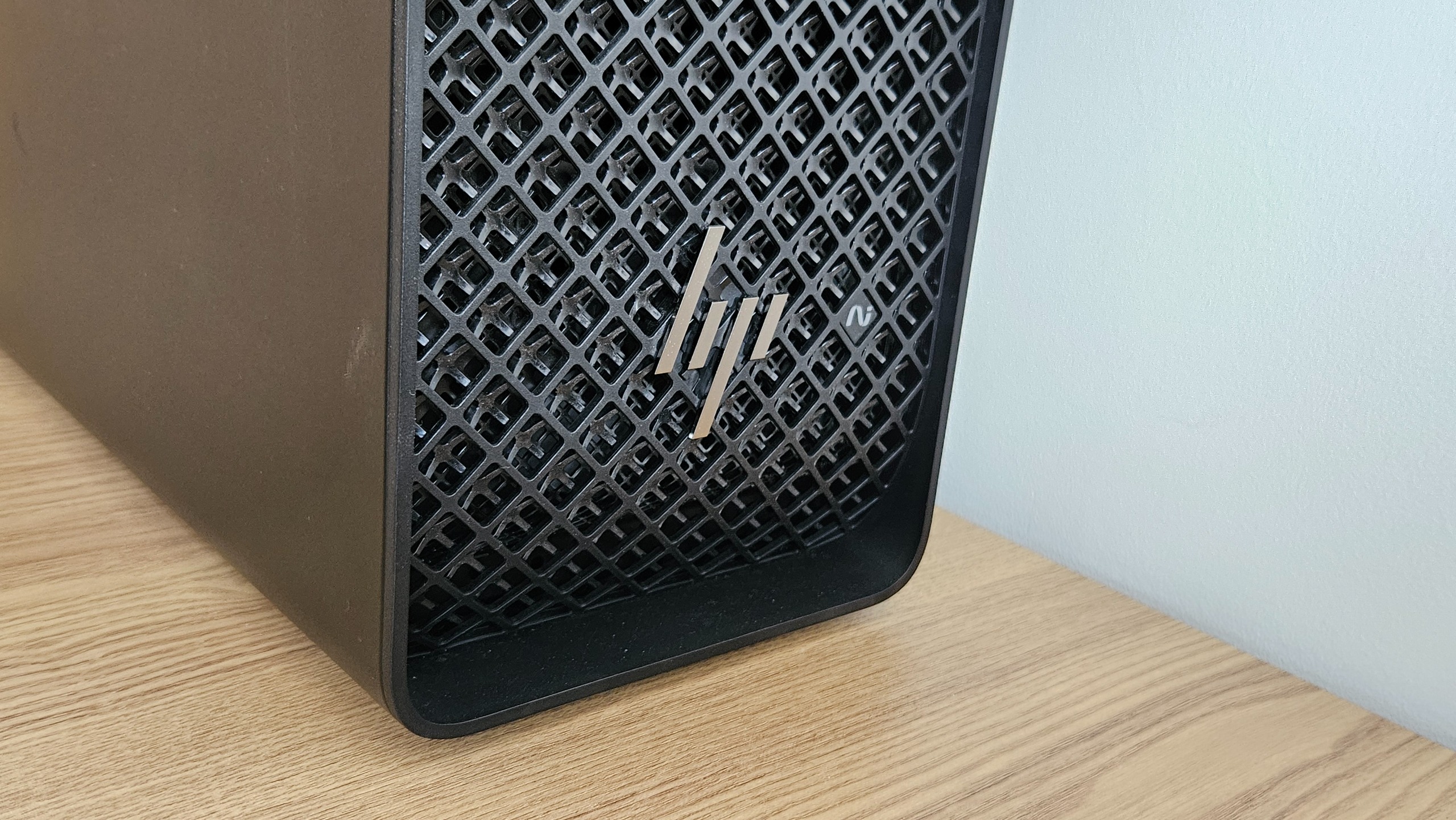 HP Z4 G6i Workstation review
Reviews This foray into the overcharged desktop workstation is an absolute triumph, despite the frankly ridiculous price tag


-
 Modernizing IT Infrastructure for Midsize Organizations: Simple Strategies for Resilience and AI Readiness
Webinar How to balance daily operations with practical AI, hardware security, and cloud-smart control
-
 The Business Case for Infrastructure Modernization: How Dell PowerEdge R470, R570, R670 and R770 servers with Intel Xeon processors deliver ROI for growing businesses
Whitepaper
-
 Aberdeen Research: Mondern Infrustructure for Midsized Organizations: Simple, Resilient and AI-Ready
whitepaper
-
 Modernizing Your IT Infrastructure: Unlocking the potential of emerging workloads E
whitepaper
-
Modernizing Your IT Infrastructure: Unlocking the potential of emerging workloads
whitepaper
-
 Why speed and performance are vital for extracting value from data
Sponsored Businesses are mired in more complexity than ever, with the need to harness new technologies adding to the strain. But investing in enterprise infrastructure that encourages speed and high performance means faster results.
-
 Selecting a trusted infrastructure partner: A checklist for now and next
Sponsored With much to consider, what should be your key infrastructure concerns?
-
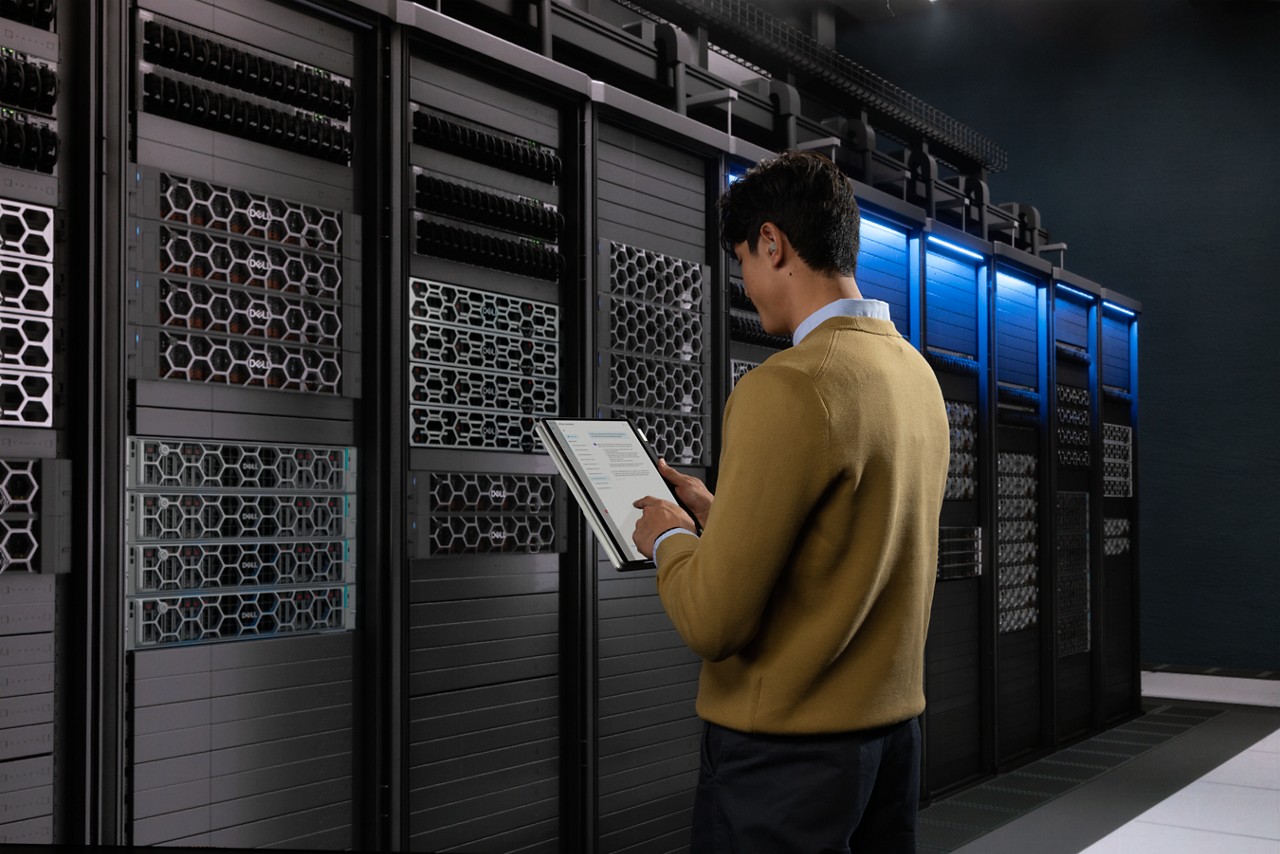 What does true dependability mean when it comes to modern enterprise infrastructure?
The demands on modern enterprises can be difficult to navigate, but having the right infrastructure solutions in place to handle growing complexities can help


