-
 10 reasons to choose the Dell Pro 5 for your business
Sponsored The Dell Pro 5 laptop is a productivity powerhouse, hitting the sweet spot businesses like yours
-
 How small-business leaders can work anywhere more securely with Dell Pro laptops
Sponsored A modern secure, workplace needs modern, secure laptops. We take a look at the security features available with the Dell Pro range of business laptops.


-
 UK government's draft spying powers get leaked online
News Open Rights Group lifts curtain on Home Office's secretive consultation
-
 Liberty hits crowdfunding goal to take on Snooper's Charter
News Campaign group raises £40,000 to finance legal challenge against the government
-
 Blow for Snoopers Charter as EU court bans mass data collection
News A legal challenge brought against DRIPA could take out its successor
-
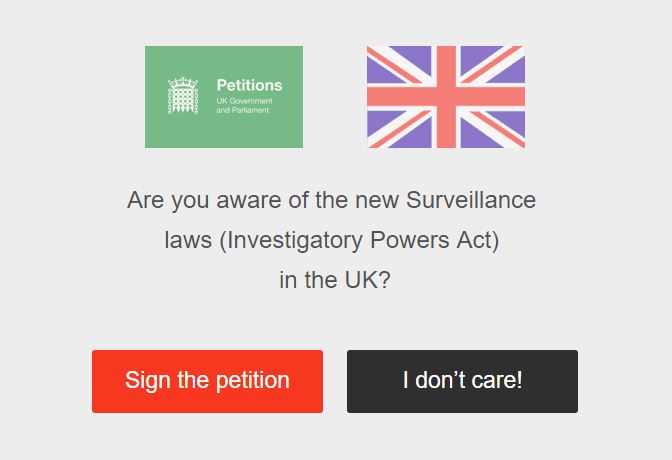 Porn site xHamster protests Snooper's Charter a week too late
News xHamster pushes visitors to sign anti-surveillance petition
-
 Investigatory Powers: Expect less scrutiny now Theresa May is Prime Minister
Analysis Experts predict Theresa May's rise to PM will give the Snooper's Charter an easier ride
-
 House of Lords hits out at Snooper's Charter
News Privacy and practicality worries could give the IP Bill a rough ride through the upper house
-
 FBI can hack computers with no warrant, US court rules
News No warrant was needed in child abuse case, even though one was obtained
-
Campaigners reveal government's secret spying regime
News Intelligence services have had access to people's health, financial and communication data for 15 years