AI is getting better at security – and it's doing it faster than expected
UK AISI warns that AI models are already exceeding existing benchmarks for testing


-
 Anthropic teams up with Akamai in $11.6bn cloud partnership
News The expanded deal will help Anthropic meet “accelerating CPU workload demands”
-
 OpenAI and Anthropic could withhold new AI models from UK's AI Security Institute
News The move marks the second time Anthropic declined to submit a model for testing in the space of a month


-
 Goldilock Secure expands Irish channel presence through new Frame partnership
News The agreement extends availability of the vendor's FireBreak technology as organizations face rising AI-driven cyber threats
-
 SPECIAL EDITION: What would a Mythos-resilient SOC look like?
Sponsored podcast Claude Mythos was judged so effective at detecting vulnerabilities it could be dangerous
-
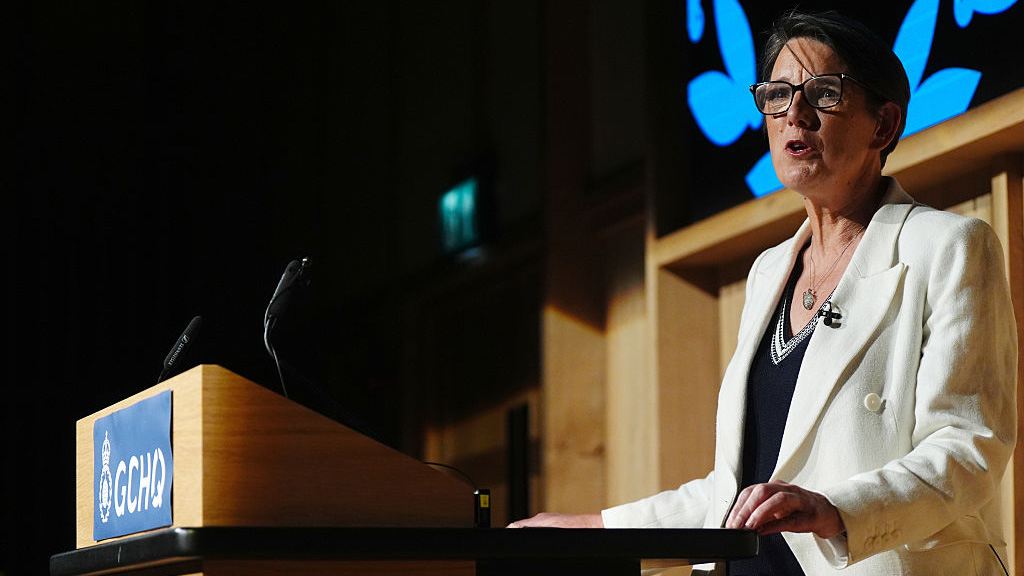 UK wants an AI-powered anti-hacking system
News GCHQ is building a national cyber defence capability powered by AI – though it may take five years
-
 UK and Australia agree to work more closely on AI security
News A new deal sees Australia set up a new AI safety institute, which will share research with the UK AI Security Institute
-
 AI and Data are reshaping the MSP landscape, but hackers are getting in on the hot AI action
News AI is no longer just a buzzword; it's a hacker's dream and the channel's biggest opportunity
-
 Is your new hire an AI clone? Microsoft says North Korean hackers are using AI to impersonate job seekers and steal company secrets
News The groups are increasingly using face-changing or voice-changing software to make their fake identities more plausible
-
 Using AI to code? Watch your security debt
news Black Duck research shows faster development may be causing risks for companies
-
 Businesses are taking their eye off the ball with vulnerability patching
News Security leaders are overconfident in their organization’s security posture while allowing vulnerability patching to fall by the wayside.


