‘Businesses are being steered to Azure by financial penalties rather than by merit’: US IT leaders hit out at Microsoft licensing practices in call to action for regulators
Technology leaders across the US say they're choosing Azure mainly to avoid fees, and are calling for regulators to step in


-
 Information overload is harming enterprise productivity
News Workers are tired of switching between different platforms to keep up to date with company activities
-
 'Britain risks becoming a vassal state' without bold AI sovereignty plans
News UKAI said the government's approach to AI sovereignty is too fragmented, and is calling for a unified plan


-
 Microsoft pulls plug on Essex data center development over power supply
News Planned development in Loughton was set to deliver 50 MW of AI capacity and create 250 permanent jobs
-
 Switzerland edges away from Microsoft with OpenDesk trial
News The Swiss government is testing whether it can drop Microsoft in favor of an open source rival for sovereignty and resilience
-
 The Microsoft 365 outage explained: What happened, what apps are affected, and is a fix available?
News The latest Microsoft 365 outage has run into its second day, but recovery is underway
-
 Forward deployed engineers are big tech’s latest gambit to drive AI adoption
News With Microsoft and AWS placing their faith in forward deployed engineers, enterprises will gain a helping hand with tricky AI adoption projects
-
 Why is Windows 11 so disliked by programmers – and can Microsoft do anything to change things?
In-depth Windows isn't the most useful OS in the eyes of developers, with programmers preferring macOS or Linux. But is its bad reputation uncalled for?
-
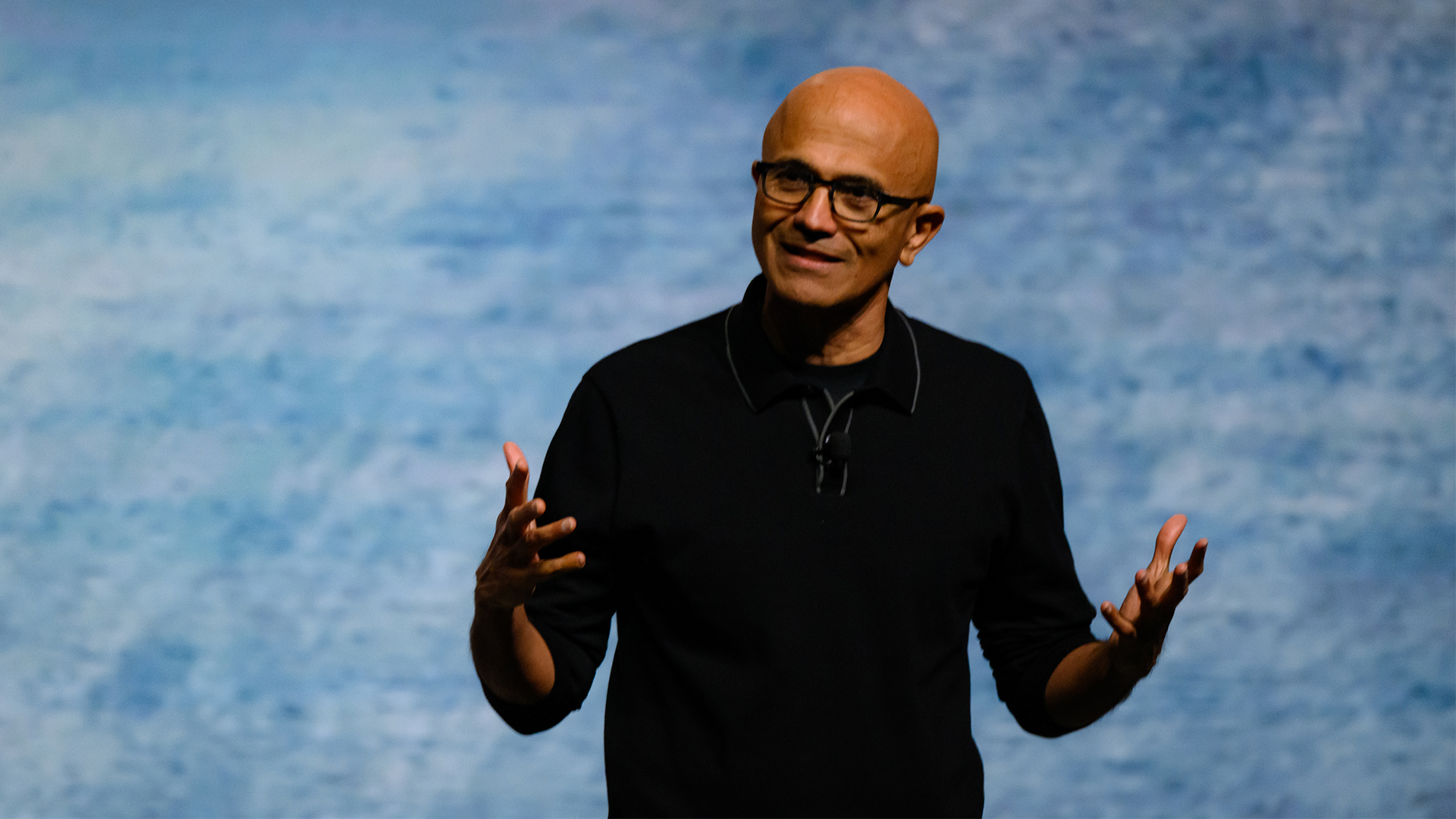 'We are focused on fundamentals, prioritizing quality, and serving our core users better': Satya Nadella teases big Windows improvements – and changes could come this year
News Satya Nadella told analysts that Microsoft is doing “foundational work to win back fans” across Windows, Xbox, Bing, and Edge
-
 Microsoft pats itself on the back over European commitments
News The company says it's been working to boost the bloc's digital sovereignty and resilience
-
 "For years, Microsoft's practices have had real financial impact on both public and private organizations" – Microsoft faces new legal challenge over licensing practices
News A lawsuit alleging the company overcharged thousands of UK businesses using Windows Server on rival cloud services has been given the go-ahead


