The data center has always been the backbone of enterprise operations, but in the age of AI, modern infrastructure has to evolve. And there are many challenges for enterprises when it comes to their legacy infrastructure and what they need to consider for a successful refresh.
In this special edition of the ITPro Podcast, Bobby Hellard talks with Dell Technologies senior director of global speciality sales, KC Funk on the evolution of the modern data center.
From storage layers and AI readiness to security and the current threats data centers should prepare for, KC explains how Dell solutions like PowerStore can help.
Highlights
"What we're finding is, as customers build out this enterprise AI strategy, right, they ask for help from us in simplifying how you architect and build solutions around an enterprise AI deployment. And for that reason, we built our Dell AI Factory.
"If I'm not feeding those GPUs a very high-performance, low-latency model, then my GPUs are starving."
"We have to be even more proactive in building a cyber resilience strategy into everything we are doing, because the risk factors and the scale of the risk have increased dramatically."
Links


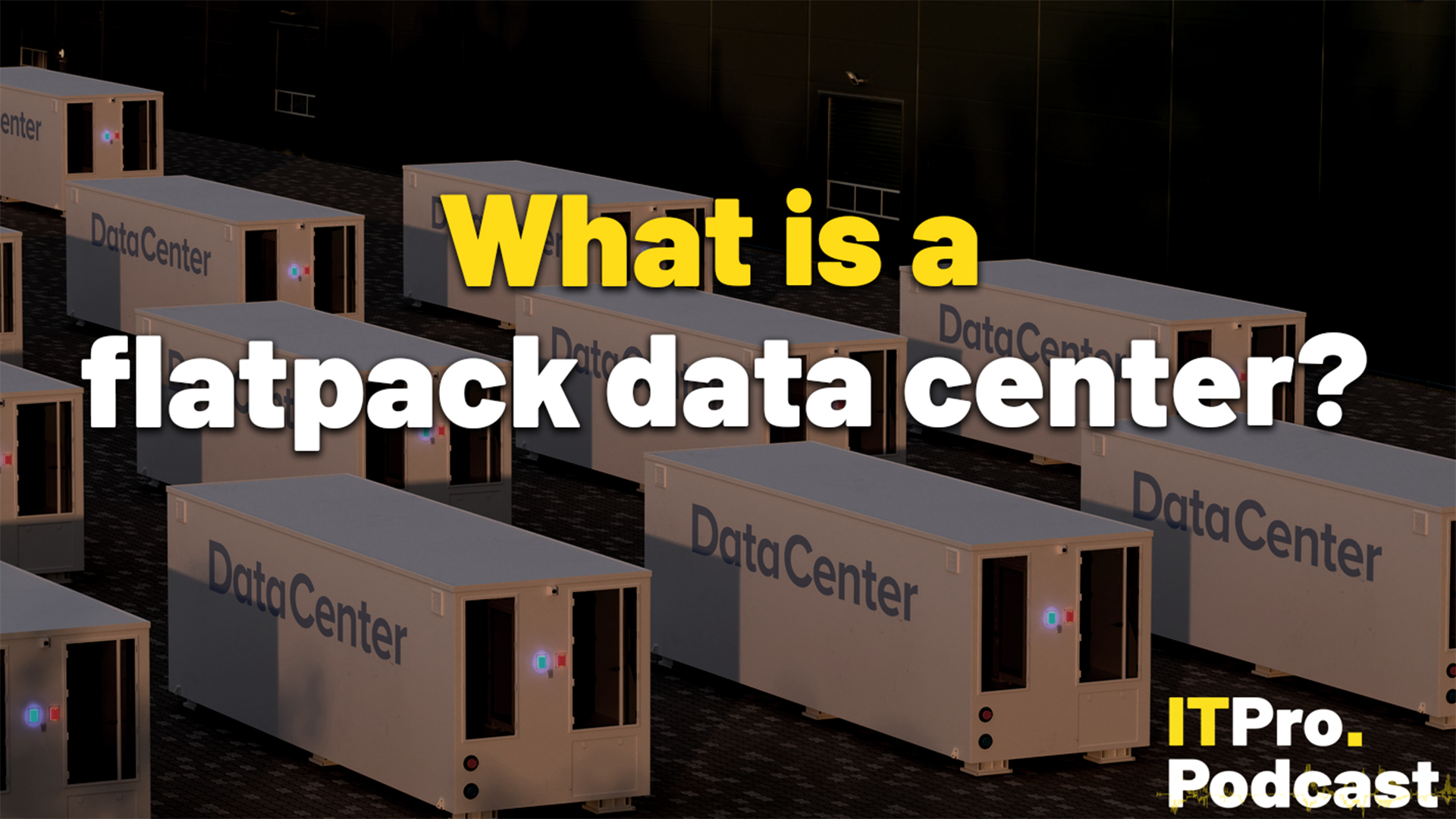 What is a flatpack data center?
 Why architecture matters more than you think in cyber resilience
 What is the role of the modern data center?


