Bett 2018: Education technology can lack institutional support
Launch of Innovation Index suggests more buy-in from educators is needed to bolster technology
Technology used in the classroom can often lack institutional support, according to the findings of the newly launched Innovation Index.
Speaking at the Bett Show 2018, Helen Moran, a director at educational market research agency Shift Learning, said the index was "an annual temperature check for innovation in education.
She said that educators "really can see the benefits of education technology "both as a means of saving time and improving educational outcomes".
The results of the survey found that 88 percent of teachers agree that technology in education improves education, but institutions are reluctant to fund it. It also found that the same percentage agreed that it has improved the quality of education in their sector, while 87 percent agreed that it has had a positive impact on educational outcomes. The survey found that 84 percent of educator said technology saved them time.
The survey of over 1,000 educators indicated that the majority of teachers from all over the sector agree that education technology benefits education, but that 42 percent of institutions are reluctant to invest in it. Nearly half (47 percent) stated that the IT infrastructure at their institution inhibits adoption of more education technology.
One respondent to the survey said that most schools are struggling for funding at the moment, but in their experience, the success of innovation depends on how high the driving force is.
"When there is significant management buy-in the pace of change can be exhilarating, without it, innovators can feel like Sisyphus."
Sign up today and you will receive a free copy of our Future Focus 2026 report - the leading resource for IT decision-maker insight on priorities and investment areas in AI, security and more.
The survey found that among the barriers to using technology in education was resistance from other colleagues, integration within the curriculum, and time to implement and use it.
The survey also found that 3D printing appearing to become more mainstream, with 13 percent adopting it in education and 19 percent likely to adopt it. She added that 2017 was the year of blending learning and mobile. A third of respondents have adopted mobile learning, while 28 percent have adopted BYOD.
Augmented reality and virtual reality appear to be emerging as the next big things in education as well as adaptive learning technologies, said Moran.
Rene Millman is a freelance writer and broadcaster who covers cybersecurity, AI, IoT, and the cloud. He also works as a contributing analyst at GigaOm and has previously worked as an analyst for Gartner covering the infrastructure market. He has made numerous television appearances to give his views and expertise on technology trends and companies that affect and shape our lives. You can follow Rene Millman on Twitter.
-
CIOs need to take back control of their IT roadmapIn-Depth IT leaders are facing difficult decisions about their ERP estates – but experts say taking an ‘AI last’ approach can avoid costly disruption
-

TfL takes Oyster photocard systems offline following breachNews Security experts warn the Oyster photocard breach could lead to follow-up attacks on victims
-

The Race Is On for Higher Ed to Adapt: Equity in Hyflex Learning -

IBM pledges support for UK government cyber skills programNews The CyberFirst Girls competition is aimed at increasing diversity in the cyber security workforce
-

CyberEPQ program expansion aims to get more state school pupils into cyber securityNews The CyberEPQ program hopes to lower the barrier to entry for students seeking careers in cyber security
-

Enabling secure hybrid learningWhitepaper Cyber security in Higher Education
-
Enabling secure hybrid learning in schoolsWhitepaper The importance of creating security awareness among key players
-

Open University embarks on £10m scheme to offer more advanced technical courses across the UKNews The new scheme aims to target higher education "cold spots" and plug gaps where courses are currently unavailable
-
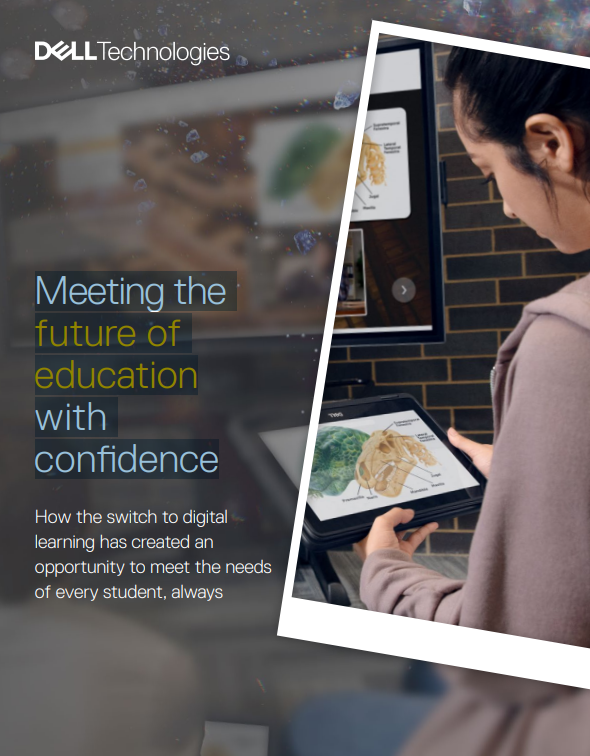
Meeting the future of education with confidenceWhitepaper How the switch to digital learning has created an opportunity to meet the needs of every student, always
-

Education redefinedWhitepaper Ensuring inspirational learning for everyone, everywhere