HTC Desire review
We review the HTC Desire to see if it builds on Android's already solid foundation and has something to entice business users as well as consumers.
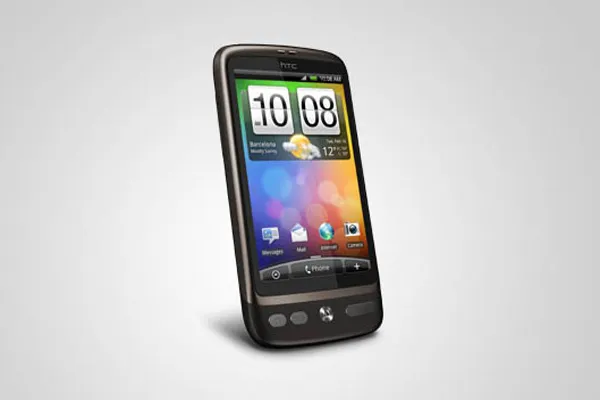
A powerful device whose large screen is particularly well suited to media rich activities. HTC’s Sense user interface adds extra pizzazz to Android, and the operating system is fast becoming very business-relevant while still retaining a lot of consumer-focused positives. Battery life is a potential problem, though, and it could be an issue with Android for some time to come.

The HTC Desire is the follow-up to the very well-received HTC Legend. The two smartphones are similar in many respects, but the HTC Desire has a more powerful processor and a larger screen, making it potentially more appropriate for business users who find themselves staring at the display more often than not to respond to emails and suchlike.
The HTC Desire sports a 1GHz processor, rather than the 600MHz offering in the HTC Legend. The more powerful processor means the device is better able to run applications faster. This means not only working more quickly within individual apps, for example, responding to screen taps and saving photos to an SD card more quickly, but also running multiple applications at the same time with more speed. During testing we did not experience any of the white screen wait' situations that we do with our workaday HTC Hero, for example.
The screen is one of the real plus points of the HTC Desire. At 3.7in it is one of the largest on any smartphone, and its 480 x 800 pixels mean it can display plenty of information. Its AMOLED technology makes it pin-sharp and bright in most situations. We did find it faded away in bright outdoor sunshine, but that is not a situation unique to this device.
The size and high definition of the screen come into their own when you carry out tasks that require a lot of detail such as reading emails or browsing the web. As we've come to expect from Android handsets you can pinch to zoom into web pages, or alternatively simply double tap on the screen.

-
 London races ahead of the rest of the UK in effective AI adoption
News While most firms in the region say AI is bringing greater efficiency and stronger innovation, only a quarter of those outside have made it part of their core processes and decision-making
-
 Ireland's DPC reports a 'significant' increase in AI-related engagements
News The data protection authority said it's secured significant improvements in compliance and expects to see more cases involving agentic AI
-
 UK academic institutions are under assault by hackers
News New data from SonicWall shows "relentless" ongoing activity by cyber criminals


