Top 10 tech advert fails
We take a look back at 10 of the most notorious promotions to have been banned for their misleading nature.



-
 A spate of cyber attacks has rocked Japan
News With over 100 cyber attacks impacting major sectors this year, Japan’s ruling party is calling for an emergency taskforce to strengthen AI defenses
-
 Top takeaways: The AI tokenomics challenge
Feature Why invisible metering, compounding agentic workflows, and production scale turn enterprise AI into an open tab – and how leaders can govern for measurable value


-
 SPECIAL EDITION: Future-proofing the modern enterprise in an AI-centered world
Sponsored podcast The Global Chief Technology Officer and Chief AI Officer of Dell Technologies, John Roese, discusses the Modern Enterprise Readiness Report and how businesses can close the execution gap.
-
 5 cyber resilience questions every IT leader should ask during Cybersecurity Awareness Month
Sponsored Cybersecurity Awareness Month is a good opportunity for IT leaders to ask a simple question: could my business actually recover from a serious cyberattack?
-
 One platform, four enterprise AI data challenges solved: Inside Dell AI Data Platform
Sponsored Your production AI will only be as good as the data it uses. Here’s how to get your data ready.
-
 3 ways to get your data AI-ready
Sponsored Data placement, preparation, and orchestration make or break an AI project – and the Dell AI Data Platform reduces the strain on enterprise IT teams across both storage and the data foundation
-
 From pilot to production: why AI needs next-generation data organization
Sponsored As AI workloads scale, organizations must decide where data and inference belong: public cloud, on-premises, or the edge
-
 Moving from Pilot to Profit: 9 Top Takeaways on the ROI of Dell AI Factory with NVIDIA
Sponsored
-
 5 key reasons on-premises generative AI outperforms the public cloud (and saves up to 63%)
Sponsored Public cloud AI can be more expensive than you think
-
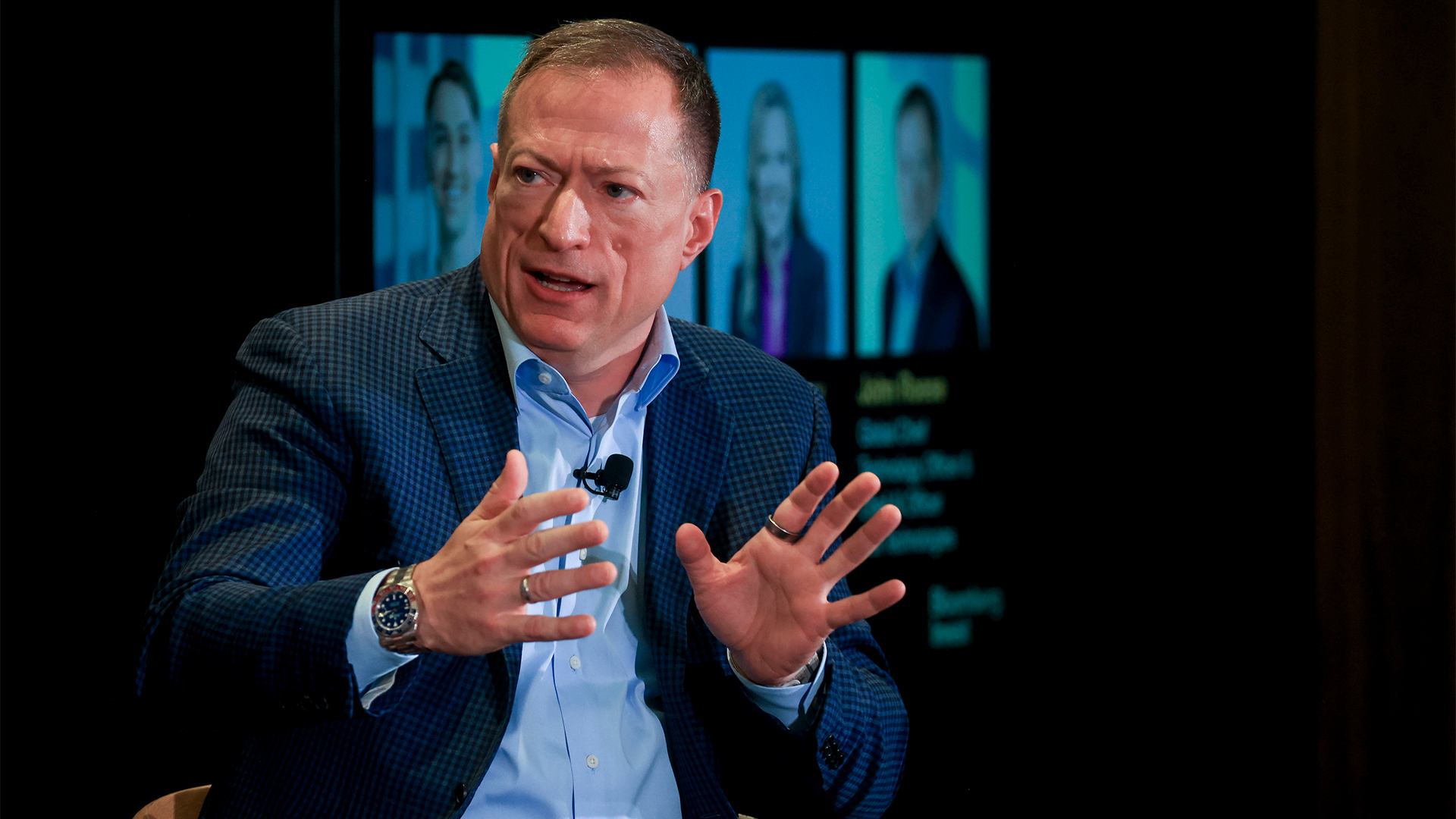 Beyond "agent washing": how to build AI systems that actually deliver ROI
Sponsored Dell Technologies CTO and CAIO explains where enterprise AI is heading


