Don't leave cloud monitoring to vendors, expert warns
The monitoring of cloud services cannot be left to the suppliers, warned Remko Dobber, cloud architect for Nimsoft, at Cloud Expo Europe 2011.
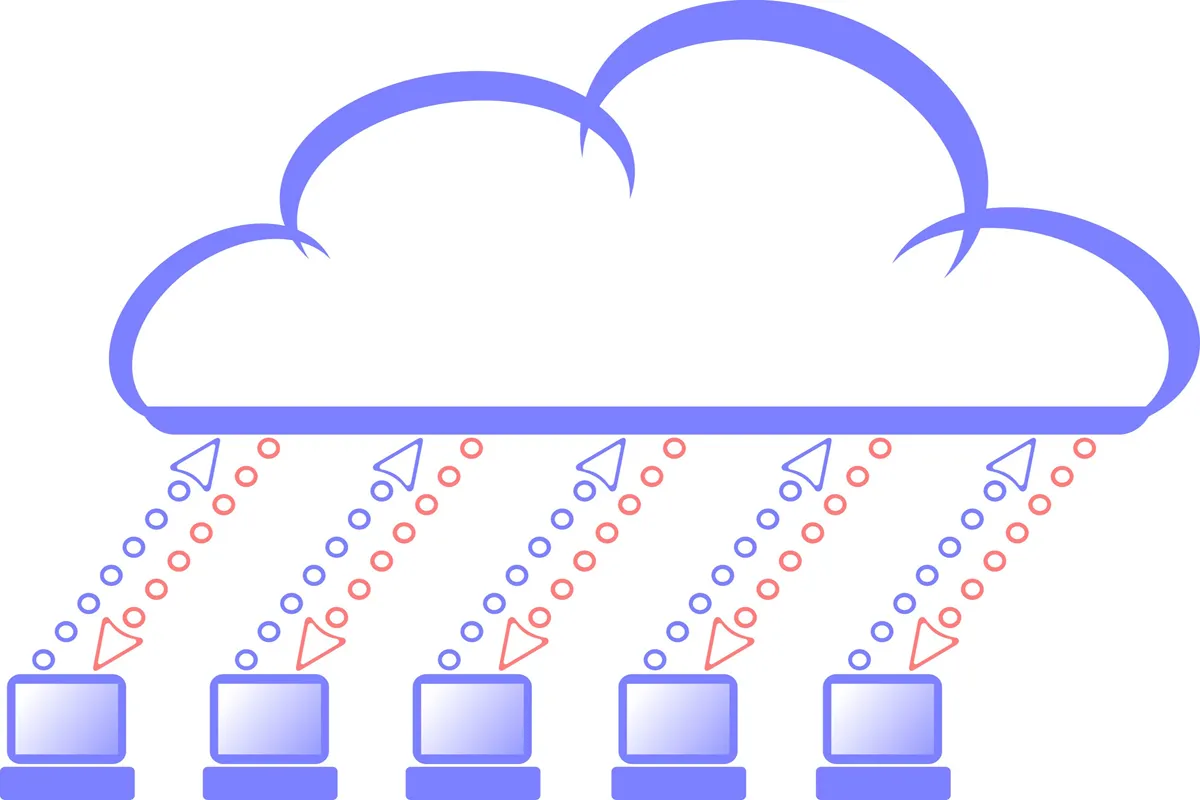
Cloud services must be treated differently to on-premise software when it comes to systems monitoring.
This was the warning from Remko Dobber, cloud architect for systems monitoring supplier Nimsoft, delivered to delegates attending this week's Cloud Expo Europe in London.
The dashboards provided by vendors such as Amazon Web Services and Salesforce.com provide a useful insight to service levels but should not replace a traditional approach to monitoring.
Dobber pointed out that a degree of control is traded for the benefits of public cloud provision and how much is lost depends on the level of service.
"One of the big challenges is control. How do you control something that has effectively been taken away from you?" he asked. "We can't separate the services that we deliver from the data centre and the cloud. Salesforce may run the same operating system and database that you would run if you implemented something similar in your data centre the difference is that you don't see them. The thing that changes is the depth of vision that you get into that application."
For software as a service applications (SaaS), the only thing the customer is aware of is the top level of the application. What goes on underneath is submerged and hidden from view, he said.
Dobber said that Nimsoft, a subsidiary which CA acquired a year ago, provides monitoring applications
Sign up today and you will receive a free copy of our Future Focus 2026 report - the leading resource for IT decision-maker insight on priorities and investment areas in AI, security and more.
that merge the information available from cloud services with traditional data centre monitoring to give a single view of the IT resources. He added that it also takes feeds from the public APIs that platform as a service (PaaS) and infrastructure as a service (IaaS) suppliers offer.
Apart from plugging the company's wares, he demonstrated that there were other ways in which the services could be monitored from time to time.
"We don't unconditionally trust our service supplier so we also want to monitor the service itself," he said.
"We can run synthetic transactions against it periodically and test the response time of that transaction. We can do real-user monitoring by asking them what kind of response time they are getting. We can also use the suppliers APIs to get at the data for their services programmatically to allow us to go into a deeper level."
Dobber gave an example of setting up a Microsoft Exchange service in the cloud and sending an email that will bounce back to gain a measure of response times.
He said that the monitoring data supplied by the cloud vendors merely gives a clue to what is happening.
If the customer is taking service level agreements seriously, they should also maintain their own logs of what the end-user is finding to ensure the relationship is running well, according to Dobber.
-
 Is full digital sovereignty achievable?
News Over-reliance on foreign technology solutions and the hassle of switching providers has some IT leaders questioning their sovereignty ambitions
-
 What happens to consent when the keys are handed to machines?
In-depth Access is under the spotlight, and things are definitely more complicated in the AI era...

