More details have emerged about the forthcoming BlackBerry rival from Taiwanese manufacturer HTC.
HTC is already the largest maker of Windows Mobile handsets, and within a few weeks will be shipping a smartphone that's reputed to look very similar to the BlackBerry, featuring a Qwerty keypad and numerous connectivity modes including GSM, EDGE, 802.11b and g Wi-Fi and Bluetooth.
Codenamed Excalibur, the new model will also incorporate Windows Mobile's new push email function.
According to the scanty specification details at present available, Excalibur will be slightly thicker than Samsung's i320, and feature an innovative 'touch jog' strip for scrolling up and down the Windows screen.
It is expected to ship first in Germany then across the rest of Europe, with pricing details as yet unavailable.
HTC will also bring another quad band model to market before the year end, called Oxygen. Also featuring Wi-Fi, it will have a 1.3 megapixel camera on board.
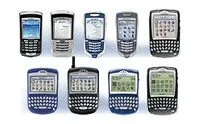
The increasing number of mobile email devices on the market make it imperative for Research In Motion (RIM), the BlackBerry's maker, to diversify into other forms of mobile business data, says Rob Bamforth, mobile market analyst with Quocirca.
 Standing still is riskier than doing nothing when it comes to AI: Snowflake urges companies to embrace the era of the agentic enterprise
 High performance, low latency, greater efficiency: how the Dell PowerStore 9500 array enhances any modern data center
