

When we talk about hybrid work, we usually associate it with one word: flexibility. Although most people value the ability to work in different locations and to adjust working hours that suit them, I see hybrid work as much more.
For me, hybrid work is about fairness, well-being, and enabling every employee to thrive. More specifically, hybrid work drives better employee engagement, improved outputs, and ultimately a more profitable and well-rounded business.
But not every worker has the same level of access to hybrid working arrangements. The HP Work Relationship Index found that in the UK, only 50% of desk-based workers have autonomy over how they do their work.
For businesses, this is both a challenge and an opportunity: when workers are given the right tools and technology, the likelihood of them having a positive relationship with work more than doubles. Organizations that enable hybrid work by tackling digital friction will win in productivity, wellbeing, and retention.
IT leaders are usually the ones tasked with reducing digital friction, but many teams are hamstrung by the traditional view of IT. There’s a danger in typecasting the IT department as a cost centre that fixes what’s broken, responding only to service tickets.
In reality, IT leaders have evolved to become strategic growth drivers. They must show direct links between technology performance and business outcomes such as reduced downtime, better engagement, and employee retention.
So if digital overload and poor workplace tools increase stress and undermine productivity, it’s the job of the IT team to improve the experience for workers in a way that links directly to business outcomes.
From fixing problems to driving growth
For IT teams, in their evolving role as strategic growth drivers, they are tasked with designing digital experiences that serve a diverse workforce, not just knowledge workers. And they have to do so in a way that makes business sense. That means getting better insights and automation to ensure the job of keeping the lights on is never overlooked.
But it also requires tools that enable the business to make more informed decisions about the technology it deploys. When they do, technology investments deliver returns and workers feel genuinely empowered and more efficient.
Platforms that combine performance data, collaboration analytics, and user sentiment can help IT move effectively from reactive firefighting to proactive orchestration. HP’s Workforce Experience Platform (WXP) is built to help IT leaders do exactly that. It’s a data-driven solution that gives a complete view of the employee technology experience – from device performance and connectivity to collaboration habits and sentiment.
By combining telemetry, AI-driven insights, and automation, WXP allows IT teams to identify and address issues before employees even notice them. The result is less downtime, fewer helpdesk tickets, and more empowered workers.
Bridging the experience gap
The true test of hybrid work is whether it works for everyone, not just knowledge workers. The current challenge is that frontline and less digitally empowered employees are often left behind. It’s therefore important for IT teams to monitor device health, usage patterns, and sentiment across all endpoints, not just office-based PCs.
When employees can use natural language queries and benefit from proactive remediation, it supports users without technical fluency. This inclusivity reduces digital friction across workforces. It also bridges the “experience gap”, where technology disparity within teams results in some workers being held back by poor digital experiences.
The approach is yielding results for businesses. A large MSP in the UK significantly enhanced operational efficiency and client outcomes by adopting HP WXP. The platform enabled their engineering teams to resolve 4–5 times more incidents per day and reduce help desk tickets by 20%–40%, while predictive analytics provided up to 90 days' advance notice on device issues.
These capabilities helped them shift from reactive to proactive service delivery, improve customer satisfaction, and support sustainability goals through reduced emissions and smarter resource utilization.
Sustainability as a strategic advantage
Sustainability is an important point because it highlights another key benefit of this type of platform. It helps businesses make smarter decisions about their technology investments – extending device lifecycles, reducing waste, and improving ROI.
Companies shouldn’t upgrade devices based on arbitrary timelines, but on performance data. Not only does this improve sustainability credentials, but it also benefits employees with fewer disruptions and better-performing devices, which contributes to retention and satisfaction.
In 2025, sustainability isn’t a side benefit – it’s integral to how IT supports people and business growth. Organizations should operate their tech teams accordingly, with tools that inform sustainable decisions and innovations.
Shaping the future of work
The future of work in the UK depends on creating digital experiences that are inclusive, sustainable, and growth-oriented. IT leaders who seize this moment will shape not just their organizations, but the economy as a whole.
Hybrid work is now the foundation of modern business. The next step is ensuring it works for everyone, everywhere. By prioritizing digital experience, sustainability, and inclusivity, IT leaders can transform technology from a background utility into a catalyst for growth and wellbeing.
Those who take this proactive, human-centred approach won’t just future-proof their organizations – they’ll define what great work looks like in the UK’s digital economy.

-
 How resellers can turn hybrid meeting pain into repeatable revenue
Industry Insights Reliable technology turns hybrid work frustrations into recurring reseller revenue opportunities
-
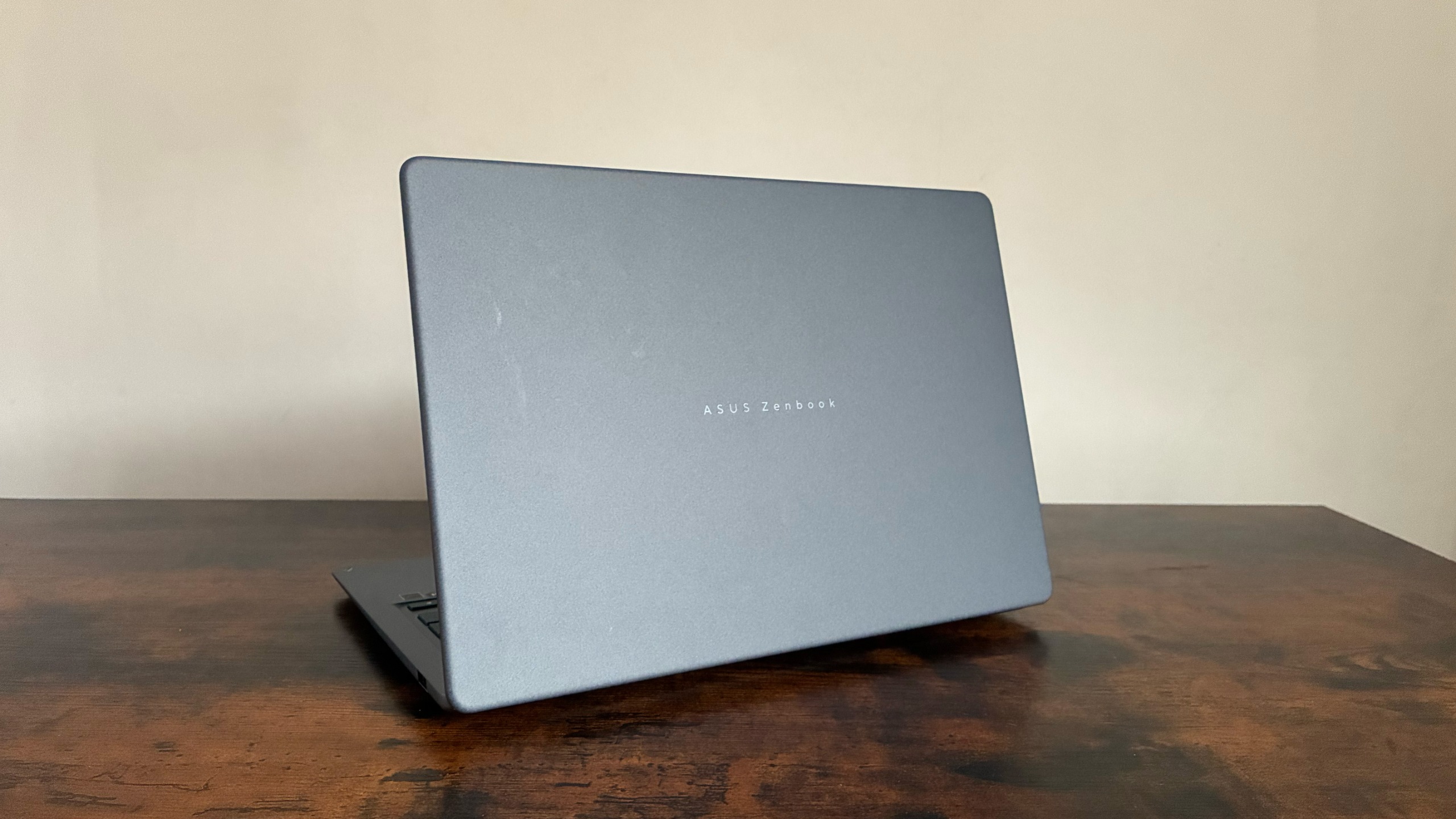 Asus Zenbook 14 (Snapdragon X UX3480Q) review
Reviews Poor battery performance and an older Snapdragon chip, but still a good choice for the office

