Microsoft Copilot bug saw AI snoop on confidential emails — after it was told not to
The Copilot bug meant an AI summarizing tool accessed messages in the Sent and Draft folders, dodging policy rules


-
 What does it take to protect your data in today's AI-driven world?
Whitepaper Dell PowerProtect Data Domain helps organizations build a cyber-resilient foundation to securely protect and reliably recover critical data across multicloud environments in today's AI-driven world
-
 Omnissa names Amit Singh as new CEO
News The veteran industry leader will lead the digital workplace platform provider into the era of agentic endpoints across the enterprise


-
 Microsoft has joined the growing list of companies cracking down on ‘tokenmaxxing’
News The company is updating internal guidance to reduce rising costs
-
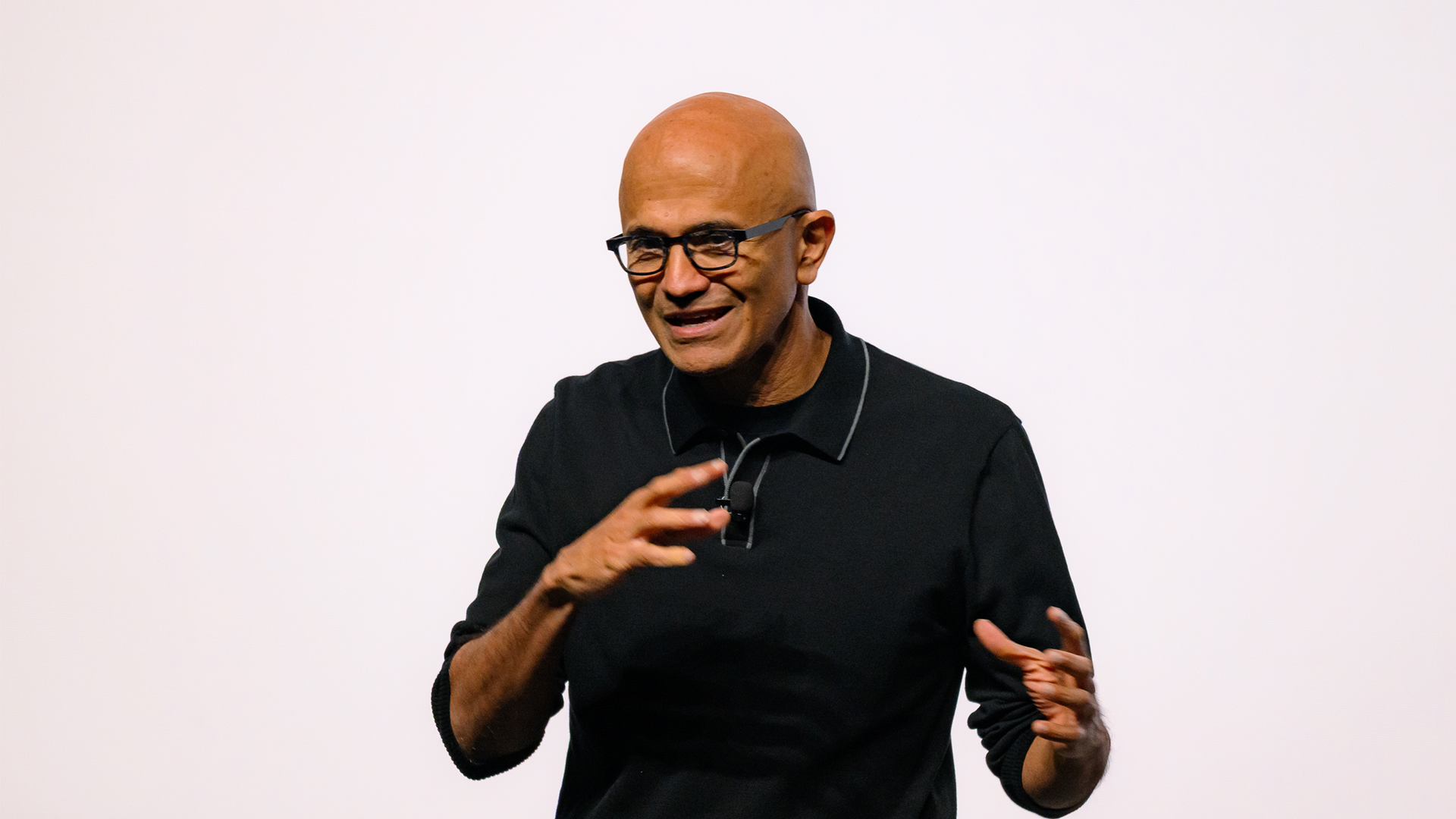 ‘We are now seeing MAI models outperform general-purpose frontier models’: Microsoft CEO Satya Nadella touts in-house models to cut spiralling AI costs – and reduce growing reliance on frontier labs
News The Microsoft chief says pricey frontier models don't have to be used for every task, and its own in-house MAI models could be the key to reducing costs.
-
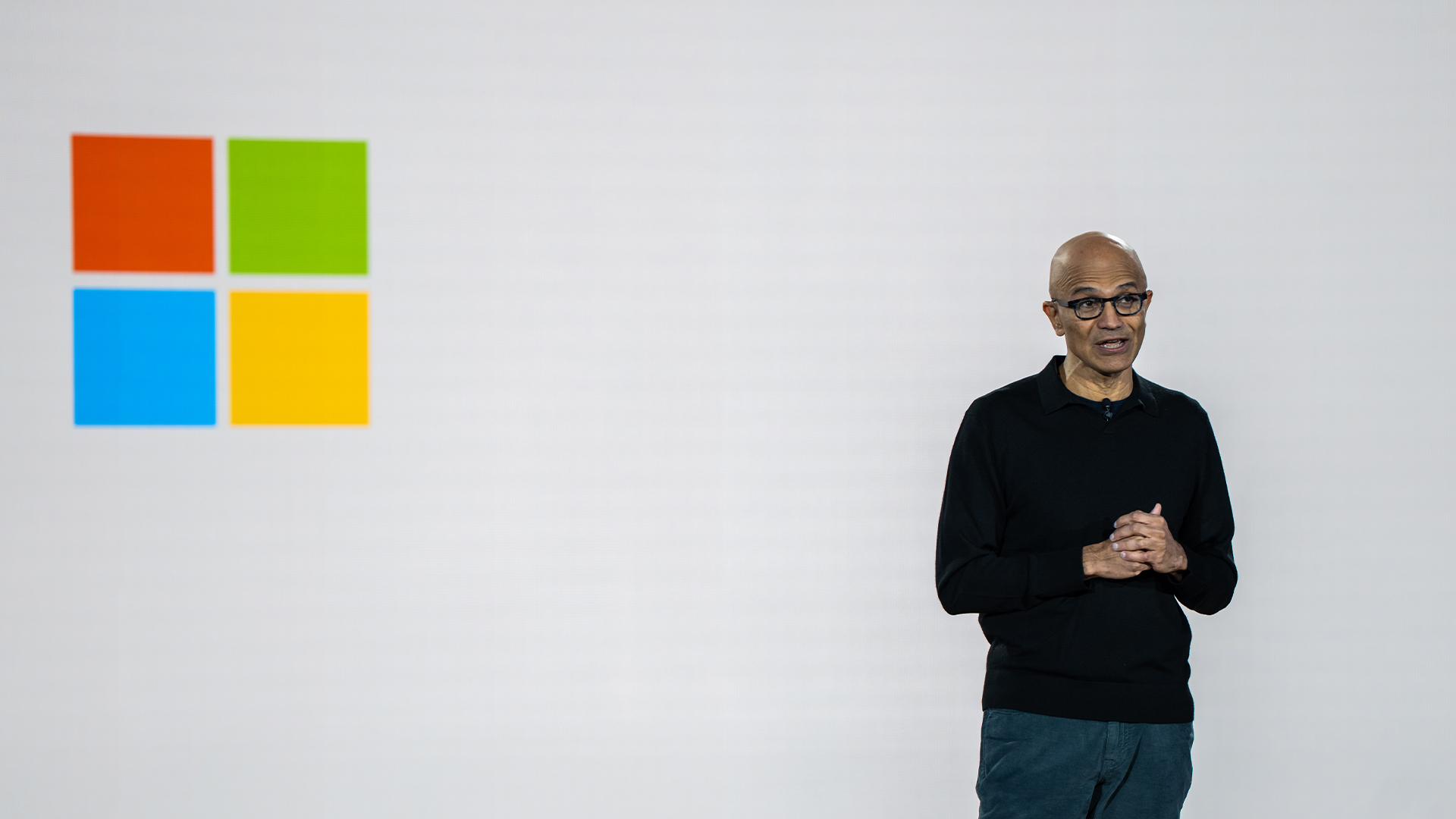 ‘A company should be able to use a model without giving up the knowledge that makes it unique’: Microsoft CEO Satya Nadella says enterprises shouldn’t be sharing so much data with AI providers
News The Microsoft chief warned that corporate data could be at risk thanks to AI models
-
 Copilot Cowork is now generally available: Everything you need to know, including pricing, usage limits, and new features
News A host of partner plugins are already available for Copilot Cowork, and more are coming
-
 How Welsh councils are improving services with Microsoft Copilot
Case study AI use has reduced staff toil, improved customer service, and increased team collaboration at three Welsh councils
-
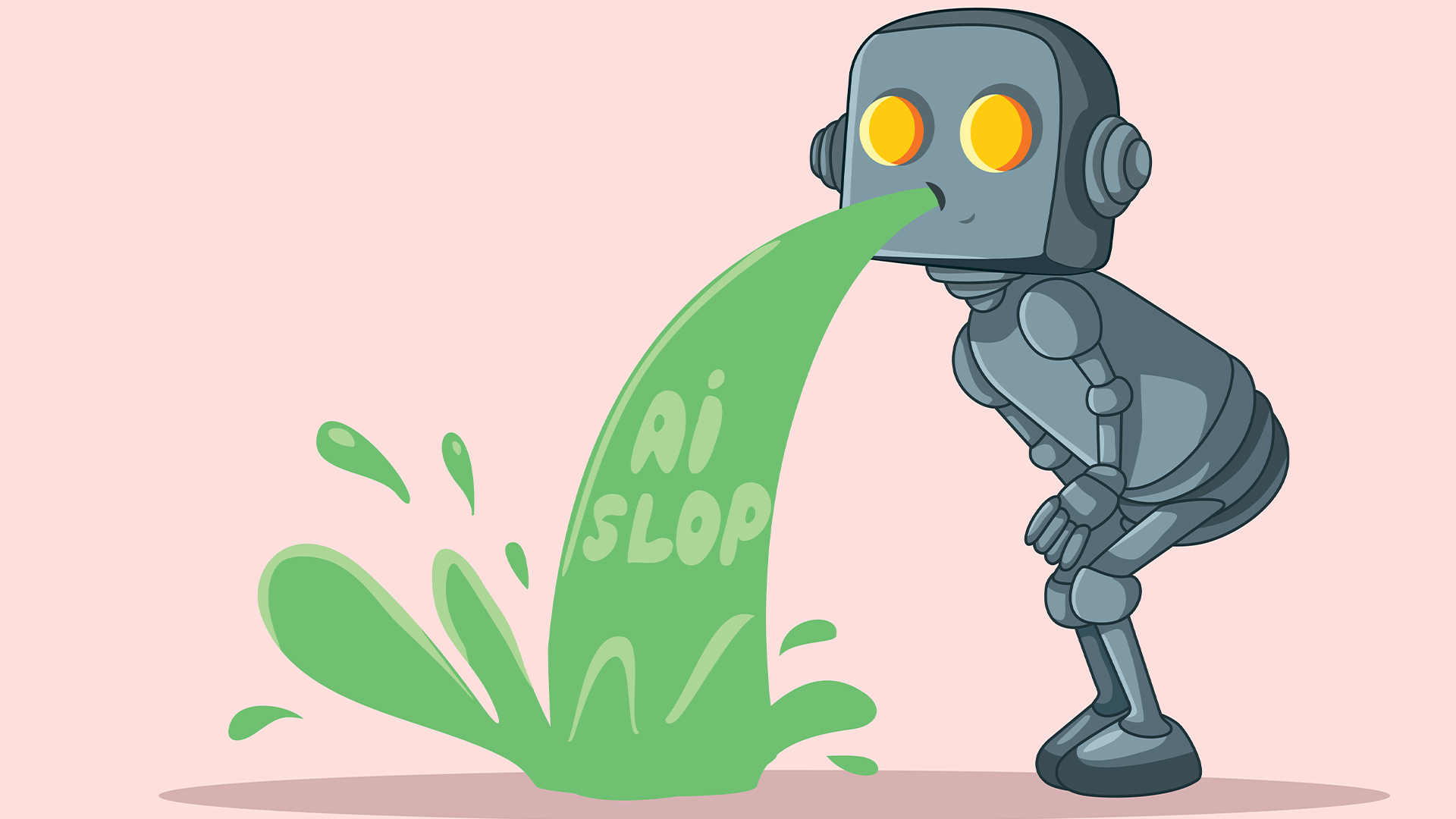 ‘LLMs are unreliable delegates’: Microsoft researchers say you probably shouldn’t trust AI with work documents
News A research paper from Microsoft shows AI degrades documents over longer workflows
-
 Microsoft joins competitors in handing over AI models for advanced testing
News US and UK government agencies will evaluate the firm's frontier models, along with those from Google and xAI
-
 The AI operations gap is reshaping the Microsoft channel
How are AI advancements shaping the moves channel partners are making and need to make going forward?


