Autonomous IT: Driving Efficiency and Security with Tanium


Autonomous IT is here and it is transforming how organisations across the world work - increasing resource and technological efficiencies whilst championing security. Today we are discussing a critical first step in freeing up resources and laying secure foundations for transformation… Patching.
Patch management is a crucial part of any business. From chaotic, ad-hoc beginnings to the regular cadence of Microsoft’s Patch Tuesday, how IT teams patch vulnerable systems has evolved considerably over the past decades. Yet there are still inefficiencies in the patching process.
This Video Q&A, brought to you in collaboration with ITPro and Tanium, explores a new answer to this problem: autonomous patch management. With the ability to save companies time and money, while freeing up IT professionals to do more valuable tasks, autonomous patching could be the answer your business is looking for.
Join Rob Broughall, Kate Jefferyes and Dan Jones from Tanium as they discuss the history and complexities of software patching, as well as explore how automation can help lift the drudgery of this crucial but repetitive task.
Watch now to find out more about the business benefits of autonomous IT and unified endpoint management delivered by Tanium.
Featured Tanium Speakers:

Rob Broughall helps enterprises modernise endpoint management and transition from manual patching to autonomous, data‑driven workflows across Windows, macOS, and Linux. As part of Tanium’s Domain Architecture team, he focuses on Endpoint Management, leveraging deep expertise in modern workplace, collaboration, and M&A integration to enhance employee experience while reducing operational risk. A frequent speaker and technical thought leader, Rob advocates for Autonomous IT as the key to resilient, self‑healing environments — enabling organisations to achieve security and efficiency at scale. He holds multiple certifications, including Microsoft Certified Master (Exchange 2010), PRINCE2, and Tanium credentials.

Kate Jefferyes is Tanium’s UK & Nordics Regional Vice President and helps organisations gain real-time visibility and control over every endpoint in their IT environment. With over two decades of experience in technology and cybersecurity, Kate has held senior roles at Microsoft, ServiceNow, and Symantec, driving strategic initiatives across healthcare, public sector, and enterprise markets. At Tanium, Kate is passionate about enabling businesses to adopt Autonomous IT — delivering automation and unified control that transforms security and operations into unstoppable business outcomes.

Dan Jones brings extensive cybersecurity expertise following a distinguished career with the UK Ministry of Defence. At Tanium, he advises organisations on managing digital supply chain risks, focusing on the interplay between people, processes, and technology. A recognised thought leader on regulatory frameworks such as NIS2 and DORA, Dan champions Autonomous IT as the foundation for unstoppable business — enabling organisations to achieve resilience, agility, and security at scale through automation and unified control.

-
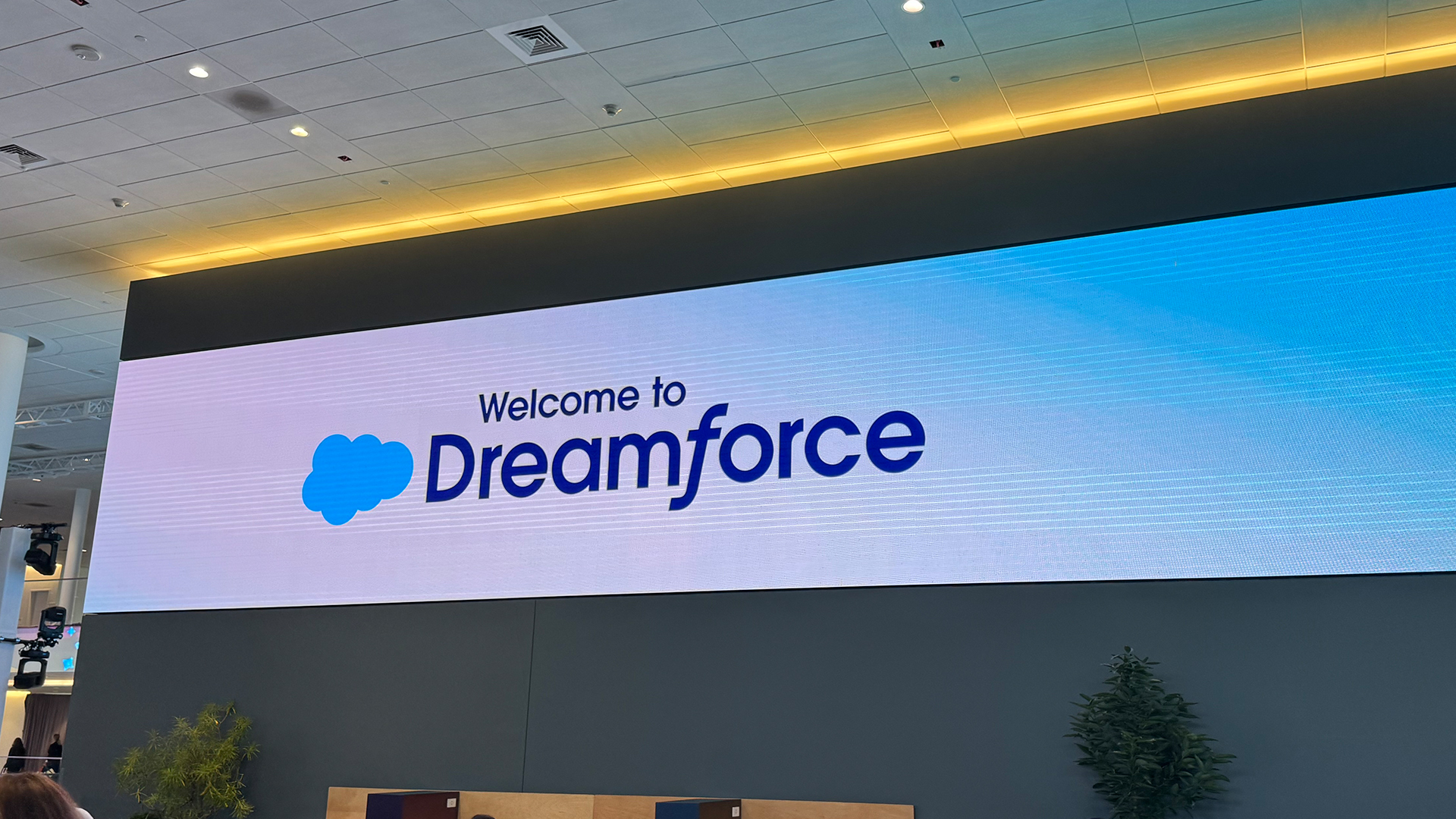 Dreamforce 2026 live: All the news, updates, and announcements from day one
Keep tabs on all the news and announcements in our live coverage from Dreamforce 2026
-
 Gartner: here's how AI will remake business in the next three years
News You've got three years to prep for these new attacks and challenges thanks to AI, says Gartner

