EU inaugurates NanoIC facility for next-generation chips
The project forms part of efforts to reduce reliance on US and Asian supply chains


-
 Driving outcomes over hardware: building the partner of the future
ITPro and TD SYNNEX discuss how orchestrating AI, cloud, and security is reshaping the channel landscape
-
 UK tech execs call for £20 billion investment in sovereign AI
News In an open letter to the government, they say the UK risks losing resilience and influence


-
 Intel fails to overturn €1.06 billion fine
News Anti-competitive conduct resulted in a reduction of consumer choice, court rules
-
 EU wants mobile devices to have universal charger
News Manufacturers including Apple could be forced into using a common standard.
-
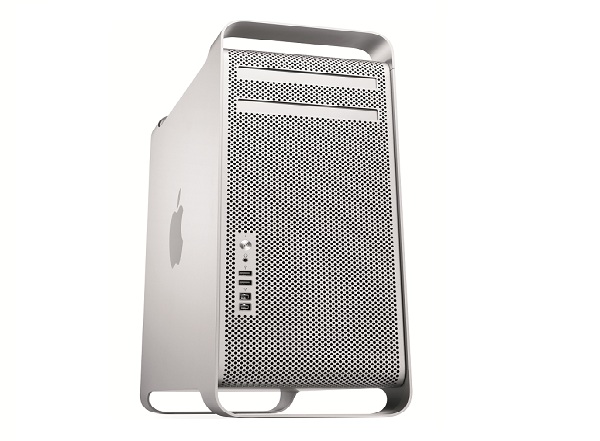 Apple Mac Pro shipments to cease in Europe from 1 March
News Consumer electronics giant will no longer ship product to EU countries following safety regulation changes.
-
 Microsoft takes Google to task over YouTube Windows Phone experience
News Software giant claims arch-rival has resisted calls to give Windows Phone users access to a "fully featured" version of its video sharing app.
-
 Huawei and ZTE to face illegal EU subsidies probe
News According to reports, the European Union is to investigate two of China's biggest mobile makers over government subsidies claims.
-
 Raspberry Pi set to ship in days
News EU conformance certificate means ultra-cheap computer can now sell in Europe.
-
 EU drops Apple anti-trust investigation
News Apple has conceded to the European Competition Commission and changed its policies.
-
 Today in tech: Apple’s millions, HP’s Palm and Google’s wind
News Pressed for time but need to keep on top of tech news? Look no further than this daily roundup.


