
TL;DR
- Dell PowerStore offers high-performance storage capabilities while reducing higher costs
- Energy efficiency features enable enterprises to meet sustainability goals
- Flexibility and scalability capabilities mean users can expand capacity on a drive-by-drive basis
Enterprises are contending with skyrocketing volumes of data in 2026. According to research from Enterprises Strategy Group (ESG), nearly two-thirds (63%) of enterprises now manage up to one petabyte of data, with the average managing roughly three petabytes in total.
This growth in data is placing significant strain on existing storage infrastructure - and not just in terms of sheer capacity. Growing data volumes inflict a toll in terms of efficiency and performance, providing organizations aren’t scaling with demand.
The result of this trend is that many organizations are now exploring ways to “optimize storage infrastructure to keep costs down and minimize footprint”, ESG notes.
Critically, however, this trend shows no signs of slowing down as organisations contend with surging data volumes across their application portfolio – traditional workloads, AI, and cloud-native applications.
This has the potential to raise serious problems for enterprise IT leaders, who are now forced to strike a balance between performance and cost-efficiency.
Luckily, enterprises do have a range of options available to them that aim to tackle these overlapping challenges – and cost efficiency doesn’t have to come at the expense of performance or capability.
Dell PowerStore, for example, specifically addresses this balancing act, targeting a combination of performance and efficiency without breaking the bank.
So what can enterprises expect with Dell PowerStore?
What is Dell PowerStore?
Dell PowerStore is a modern, software driven all flash storage platform that, as part of a disaggregated architecture, can be implemented on-premises as a foundation for Dell Private Cloud (DPC) or as part of a multicloud strategy. It is highly intelligent storage that places a strong focus on performance, operational simplicity, and cost-efficiency.
Dell PowerStore offers a range of tools, features, and capabilities aimed at streamlining costs and reducing enterprise storage footprints.
One of the key enablers is PowerStore’s use of quad-level cell (QLC) media, which stores four bits per cell and therefore supports 16 distinct voltage states. This makes QLC-based PowerStore models an attractive option for enterprises that need higher-density storage and lower cost per terabyte, while still maintaining sub-millisecond latency for demanding workloads thanks to PowerStore’s software architecture.
Crucially, this also helps deliver lower costs: PowerStore QLC options deliver up to 15% lower total cost of ownership (TCO) compared to comparable triple-level cell (TLC) offerings.
Cut costs, not capability
Dell PowerStore leverages a range of features aimed at reducing costs while maintaining high performance, including always-on data reduction capabilities.
Here’s how these capabilities combine to provide value for enterprise customers.
Always-on data reduction
Always-on data reduction is a key feature for Dell PowerStore and comes at a crucial time given NAND storage cost increases globally.
Dell PowerStore boasts a 5:1 data reduction rate (DRR) guarantee for reducible data, leveraging techniques such as deduplication, pattern removal, and inline compression.
This offers significant benefits for businesses, enabling them to store up to five-times more data in the same physical footprint, thereby reducing cooling costs, rack space, and overall power consumption rates.
Dell states that PowerStore’s 5:1 data reduction guarantee is backed by field-proven results, with customers achieving 81% real-world data savings, exceeding the 5:1 DRR guarantee by 31% on average.
These gains don’t come at the expense of efficiency. PowerStore’s advanced, always-on data reduction is designed not to impact workload performance and, according to Dell analysis, can deliver up to 2x better efficiency than a leading competitor.
There are longer-term advantages to this aspect of PowerStore as well. With workloads continuing to grow, the ability to intelligently reduce datasets’ storage capacity can help improve the longevity of drives, allowing enterprises to extend lifecycles and lowering costs.
Running parallel to these features is the PowerStore Lifecycle Extension program, which plays a key role in helping to delay expansion cycles. The company states that some customers have extended infrastructure use “for up to a decade”.
Vital energy savings
By storing more data on fewer drives, data reduction directly translates to significant energy savings of up to 54% compared to a leading competitor.
Combine this with PowerStore’s ENERGY STAR ratings and this solution represents a powerful option for organisations seeking high-performance storage infrastructure while balancing strict sustainability goals.
Dynamic Resiliency Engine (DRE)
The Dynamic Resiliency Engine (DRE) is a crucial underpinning factor in PowerStore’s energy efficiency credentials, providing a software-based approach to data redundancy.
The DRE provides multi-drive fault tolerance capabilities, optimizing writes using advanced metadata and mitigating the impact of multi-drive failures.
Leveraging PowerStoreOS, the system frees previously reserved space which, Dell says, helps “increase the usable capacity of the system”.
“Spare space is distributed across the entire appliance, and a small chunk of space is reserved from each drive used for sparing if a drive fails,” the company explains in official materials. “A single drive’s worth of spare space is reserved for every resiliency set in an appliance.”
“When a drive fails, only the portion of the drive which has data written will be rebuilt. By doing so, the spare capacity is efficiently managed by consuming only the required space. This feature also shortens rebuild time because only data that has been written to the drive must be rebuilt.”
This differs from traditional data protection methods, which are based on RAID groups of rigid, fixed layouts. Simply put, RAID requires enterprises to add entire new groups, rather than using the drives they need, which adds unnecessary costs, increased storage footprint, and higher power consumption.
Expansion on your terms
According to Dell, PowerStore’s DRE is a software-based alternative to traditional RAID that delivers superior resiliency at a lower cost, enabling customers to expand storage one drive at a time and add different drive sizes as needs change, which helps lower TCO.
If you think PowerStore is the right storage solution for your business, find out more on the Dell website: US readers click here and CA readers here.
-
 Veeam launches new global program for sovereign service providers
News The initiative introduces a new competency to help customers identify local providers with the expertise to address data sovereignty requirements
-
 Dell says sort out your infrastructure or risk scuppering AI production projects
News A new Dell report warns that projects are being delayed by infrastructure, regulatory, and security concerns


-
 Is your data ready for the AI rush? Questions IT leaders should ask before scaling AI
Sponsored IT leaders face an array of considerations when embarking on an AI initiative, but what areas should they prioritize?
-
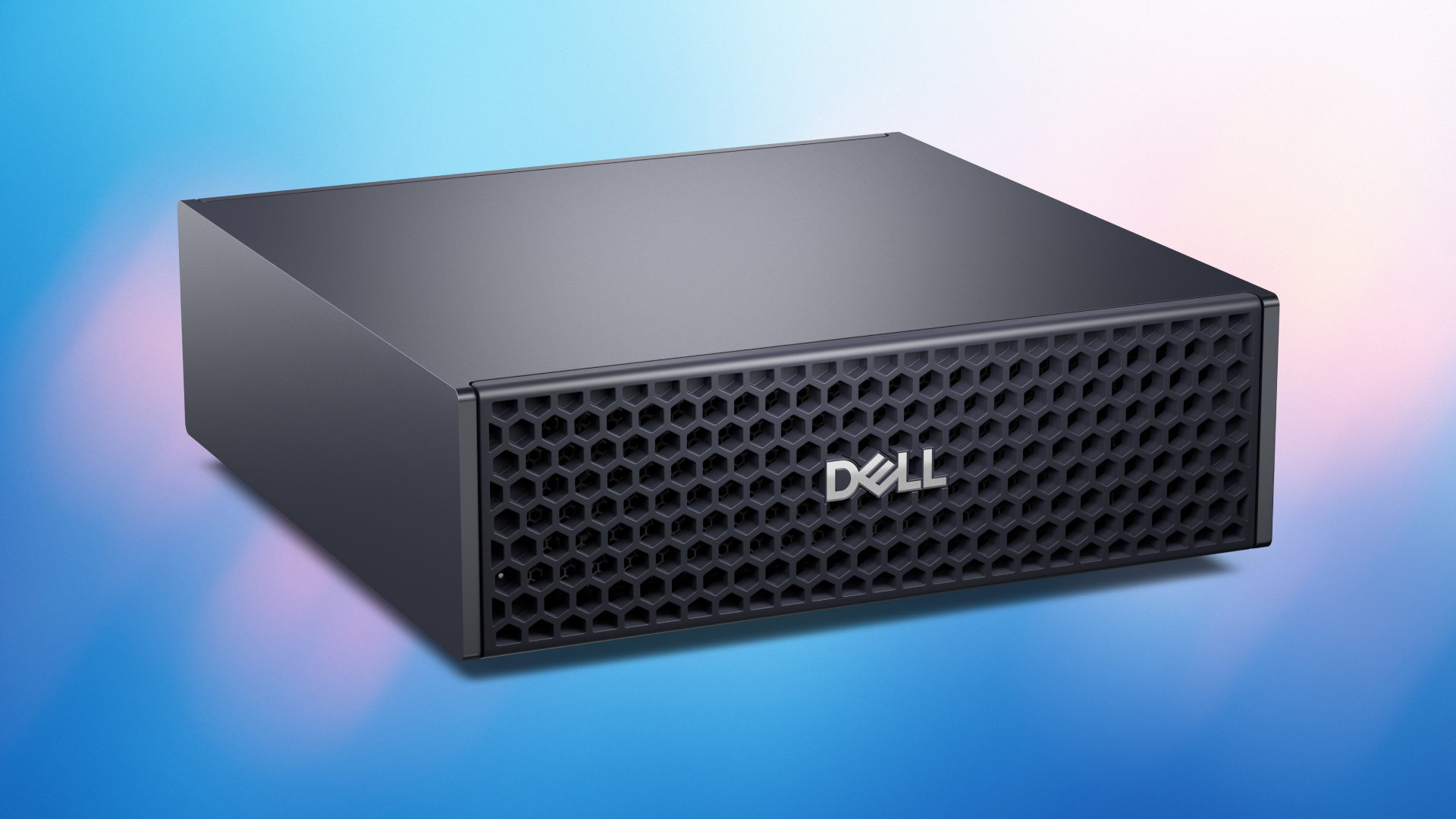 8 reasons the NVIDIA-powered Dell Pro Precision with GB10 could become every AI developer’s favorite tool
Sponsored How Dell Pro Precision with GB10 puts frontier-level AI compute on your desk (and could save you money on token spend)
-
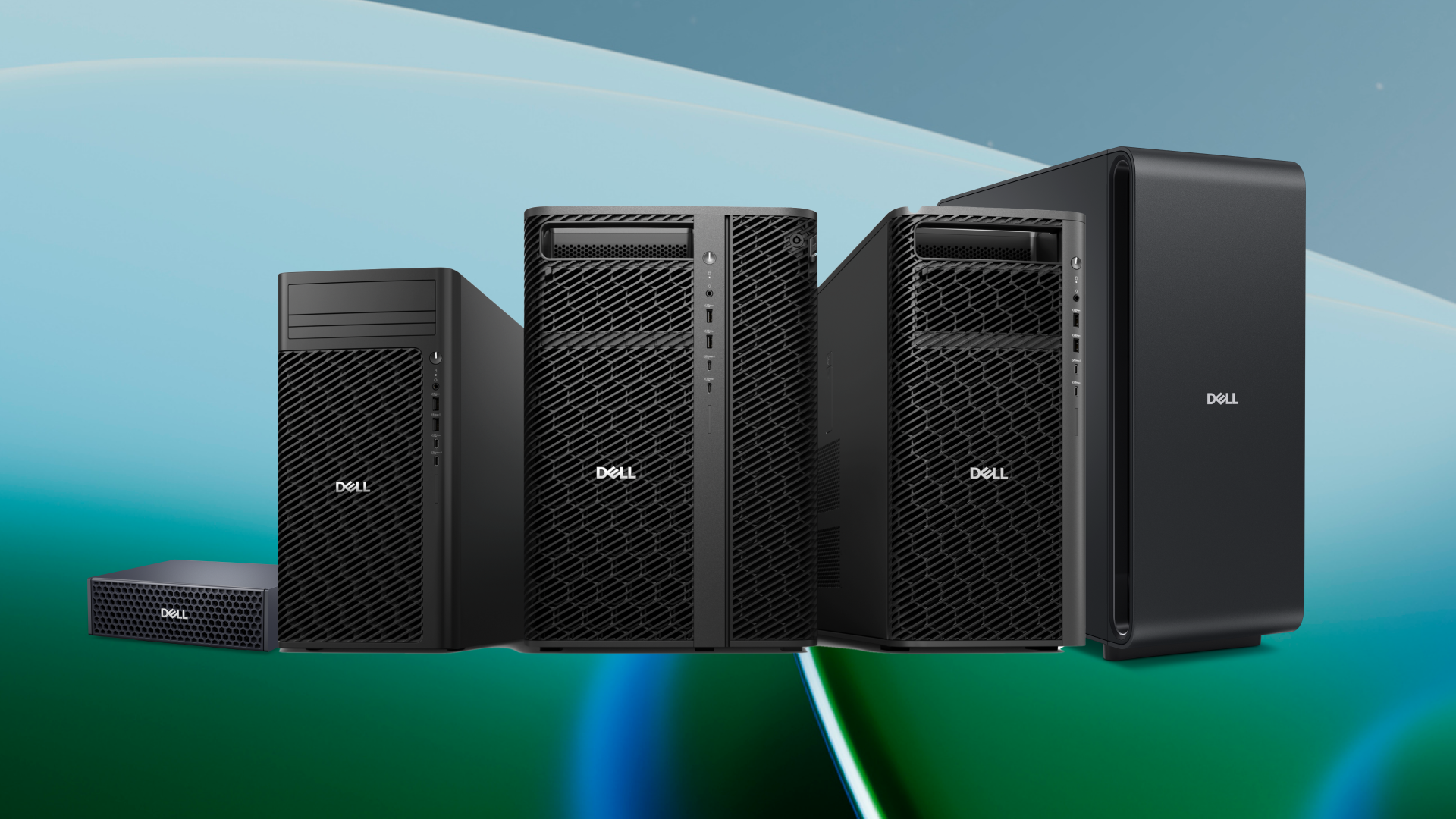 $3k a day on tokens? Dell’s deskside agentic AI Accelerators will save you money on AI development
Sponsored Enterprises are facing rising AI bills, but it doesn’t have to be that way
-
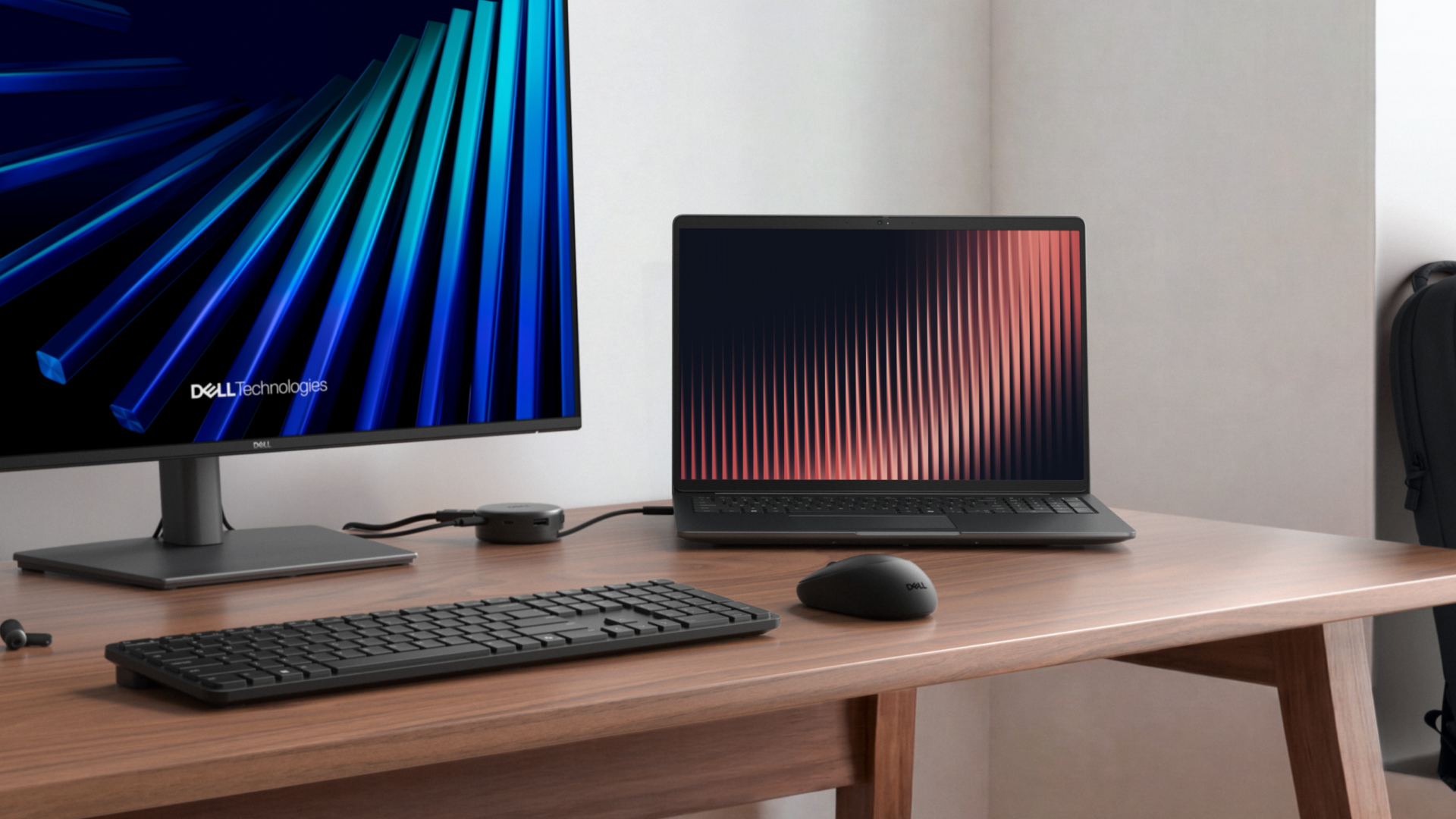 Dell Pro 5 or Dell Pro 7? How to choose the right laptop for your employees
Sponsored Office powerhouse or master of mobile working? The choice is yours. Find out if you should buy the Dell Pro 5 or Dell Pro 7 for your business
-
 How the Dell Pro 5 & Dell Pro 7 laptops add a layer of security for better hybrid working
Sponsored Secure your hybrid workforce with Dell Pro laptops, featuring robust silicon-level hardware protection that safeguards critical data below the operating system
-
 5 reasons every AI team needs a deskside agentic AI accelerator like the Dell Pro Max with GB10
Sponsored The Dell Pro Max with GB10 can help enterprises kickstart and scale their agentic AI adoption journey
-
AI on the edge: 5 reasons to add a deskside AI accelerator like the Dell Pro Max with GB10
Sponsored The Dell Pro Max with GB10 series brings high-performance compute straight to your desk
-
 Dell’s NVIDIA-based AI powerhouses compared: The Dell Pro Max with GB10 versus the Dell Pro Max with GB300
Sponsored The Dell Pro Max with GB10 and GB300 workstations are the perfect devices to help supercharge AI innovation


