In 2016, Dell Technologies completed its acquisition of EMC. While its name lived on for another four years under the Dell EMC brand, it finally disappeared entirely in 2020.
You may wonder what this wander down memory lane has to do with anything – after all, the title of this article clearly states I was at Dell Technologies 2026 but bear with me. You see, for those of us who have been in this arena long enough, there may have been the sense that the ghost of EMC was haunting proceedings at this year’s annual Dell get-together.
First, a bit of background.
While the EMC Federation comprised a variety of vendor types, EMC itself was firmly in the enterprise storage business; according to a 2014 Forbes article, about 70% of the Federation’s revenue came from the EMC part of the business. While there was undoubtedly the attraction of VMware and Pivotal, acquiring the technology behind VMAX, Isilon, Data Domain and ScaleIO would have been a prime mover for the acquisition.
According to a 2025 retrospective analysis by M&A Watch: “Dell's acquisition of EMC was primarily driven by the need to transition from a PC-centric business model to a comprehensive enterprise IT solutions provider. By 2016, Dell's traditional market--personal computers and low-margin hardware--was stagnating due to declining growth rates and intense competition from HP, Lenovo, and Apple. This acquisition represented a strategic shift into higher-margin enterprise IT markets, including storage, cloud computing, and virtualization.
“Before the acquisition, Dell had a strong foothold in servers and networking hardware but lacked a comprehensive enterprise IT infrastructure offering. EMC's dominance in high-end data storage complemented Dell's existing portfolio, enabling the company to offer a full-stack IT solution.”
In May 2016, what is now the Venetian Conference Center Las Vegas hosted the final standalone EMC World with the strapline Modernize. Across the three days, this was split into three ideas: Modernize the Industry, Modernize Your Data Center, and Modernize Your Business.
With one of the tentpoles of Dell Technologies World 2026 being “The Modern Data Center”, (finally, I get to my point) I can’t help but feel an echo of that final EMC conference.
What is the Modern Data Center, anyway?
2026’s modern data center is, of course, all about AI and having the compute and storage available to carry out large AI workloads without resorting to the public cloud. Dell Technologies launched five new products, within the confines of existing lines, at Dell Technologies World 2026:
- PowerStore Elite. A descendant of Unity, the final storage ranged launched by EMC, PowerStore Elite has been pitched as “the biggest leap forward in the platform’s history”, with built-in AI software to handle load balancing and improve efficiency.
- 18th gen PowerEdge servers, which the company says offer up to 70% better performance. Many of the new servers are advertised as being excellent for AI workloads and high performance computing.
- PowerProtect One, a cyber resilience platform that brings together Dell PowerProtect Data Domain and Dell PowerProtect Data Manager into a single offering.
- Cyber Detect, an AI-powered ransomware detection product that plugs directly into PowerSroew and PowerMax enterprise storage.
- Dell Automation Platform, which itself consists of
- Dell Private Cloud
- Dell Distributed PRivate Cloud (previously known as Dell NativeEdge)
- Dell Automation Studio, and
- Dell Automation Platform.
The modern data center range, if we can call it that, wasn’t the only chunky enterprise hardware on offer, either. Updates to Dell Technologies AI Factory with Nvidia included the introduction of PowerRack, a rack-scale storage system that comes in three flavours depending on a company’s needs.
There was also the introduction of Dell Deskside AI, which, while it runs of various specialist PCs like the Dell Pro Max with GB10 and and Pro Max with GB300, is a firmly enterprise play – not just a business one.
If Dell Technologies 2025 was the year of the AI PC, 2026 was a hard push to reassert itself the data center as use of AI agents accelerates – and costs rocket in response.
The direction of travel, for the next 12 months at least, seems fairly clear to me: Dell is pulling on its own data center heritage and in particular the heritage acquired from EMC to position itself as the answer to the burgeoning cost of AI usage. This is particularly true of anything that uses a lot of memory or compute.
It’s funny how much and how little change a decade of progress can bring.


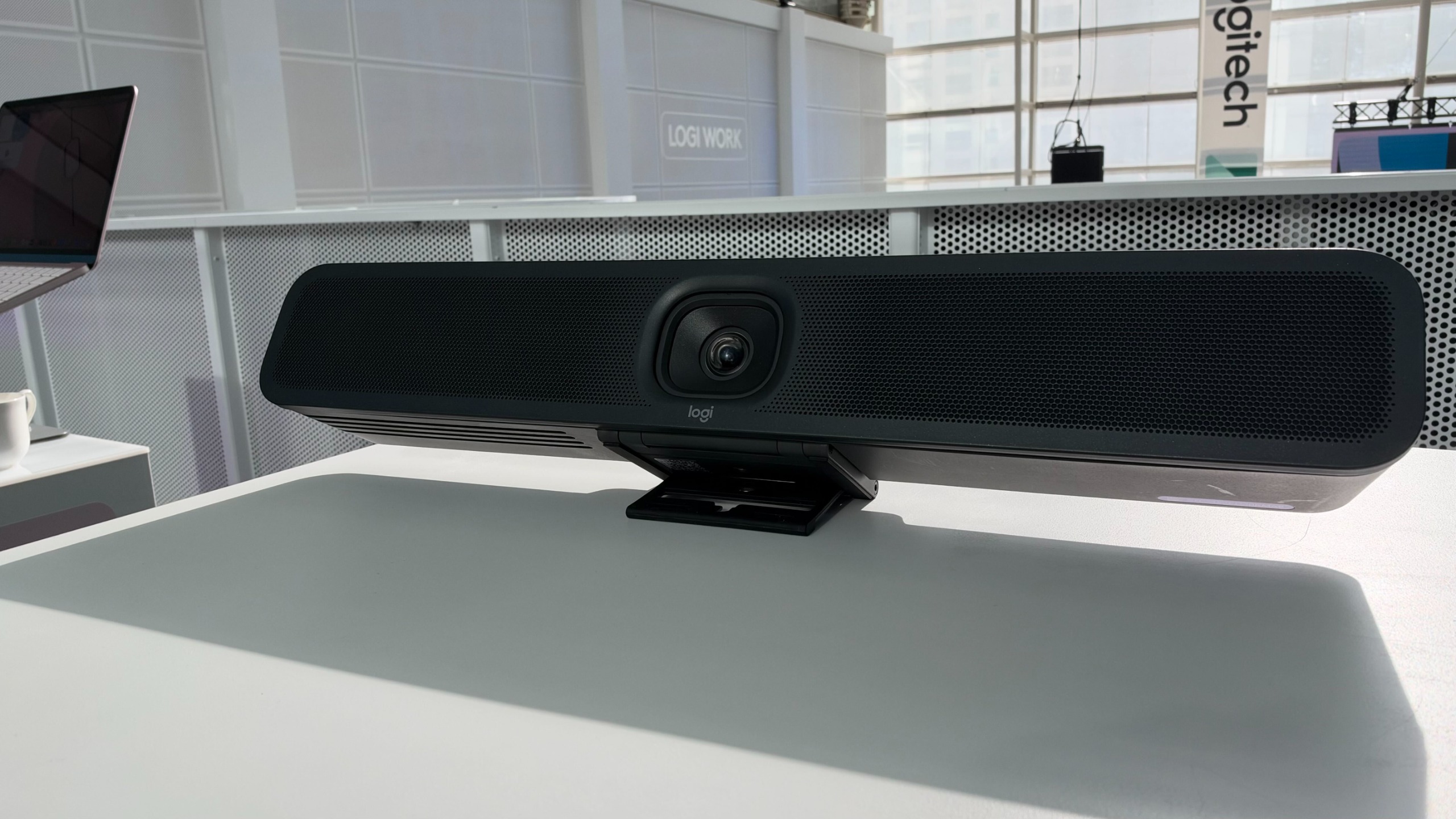 Do meeting rooms spoil the in-office experience? Logitech and its simplified Rally Bar 2 aim to fix that
 AI agents have a mind of their own – and that’s a problem for businesses

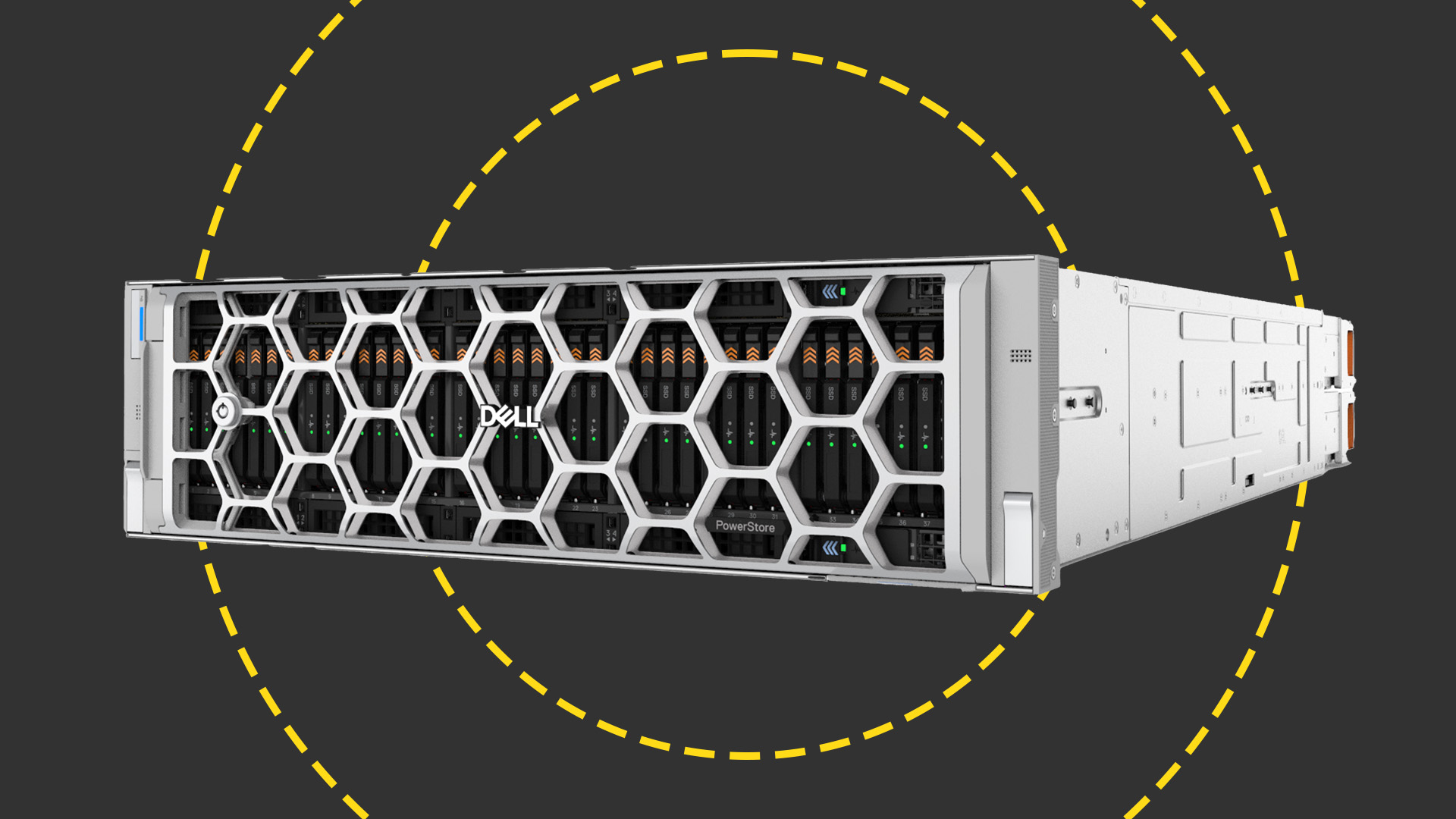 Dell PowerStore Elite unveiled at Dell Technologies World 2026
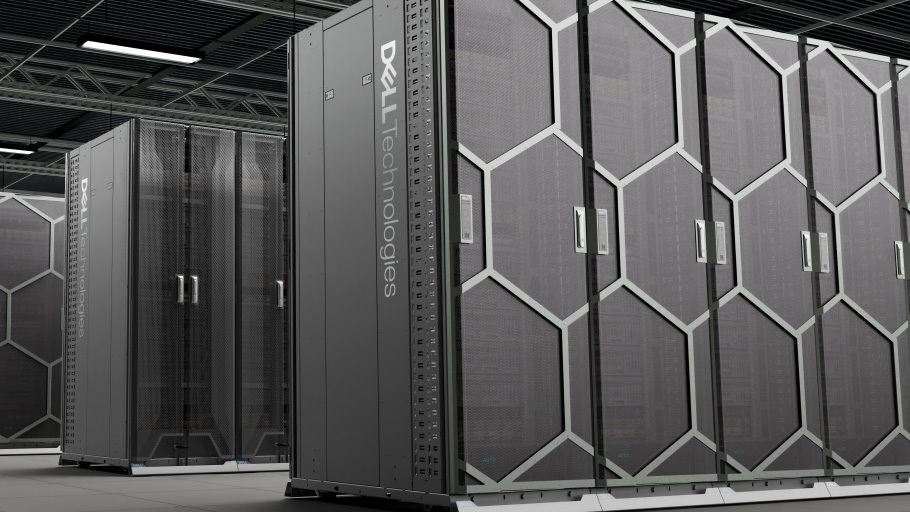 Dell PowerRack launches at Dell Technologies World 2026 as a ‘turnkey’ networking, storage, and compute system for AI
 Selecting a trusted infrastructure partner: A checklist for now and next
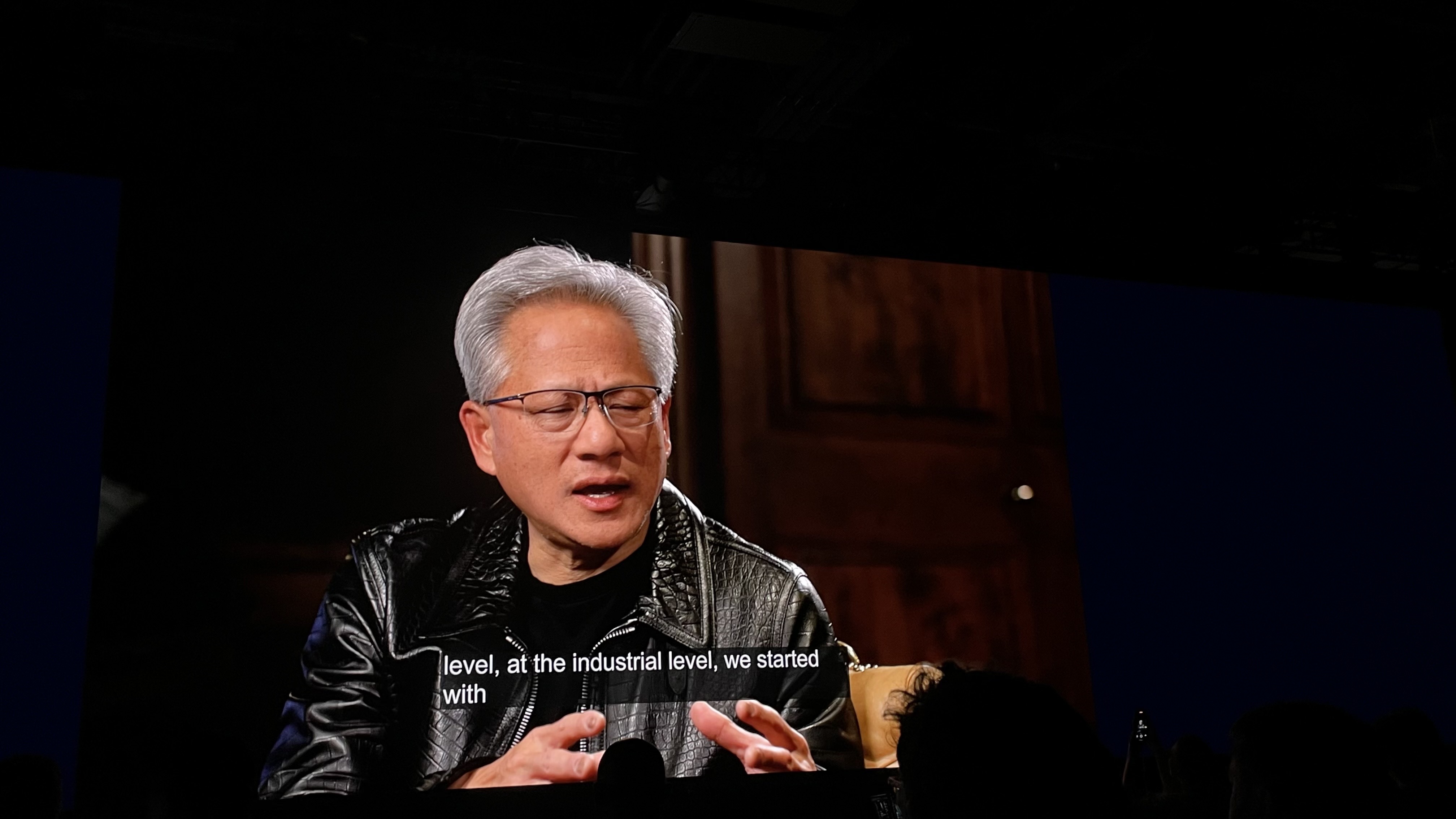 Jensen Huang joins Dell Technologies World virtually to talk servers and AI factories
 Dell Technologies wants to cut infrastructure costs – here's how it plans to do it


