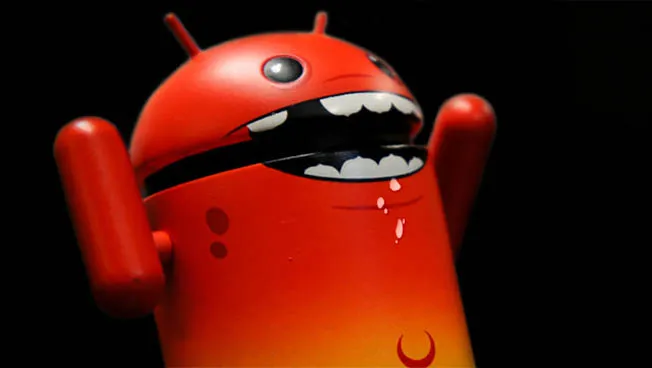
Google has removed 24 apps (totaling 382 million active installations) suspected of unethical data practices from the Google Play Store.
“If we find behavior that violates our policies, we take action,” said Google in response to a report published by VPNpro earlier this week.
The tarnished apps stem from five different developers, all offshoots of Shenzhen HAWK - a Chinese tech company with a history of releasing apps infected with malware and rogueware.
Shenzhen HAWK’s mega parent company the TLC Corporation has since responded to Google’s action, claiming to be “actively working” with developers “to better understand their concerns”.
The TLC Corporation - which is partially owned by the Chinese state - also referenced plans to hire an outside security consultant to protect its consumers from insecure data practices.

Building a modern information governance strategy
How to rethink your approach to develop a more modern information governance strategy
FREE DOWNLOAD
Despite the TLC Corporation’s promise thousands, potentially millions of Android users remain at risk for having their data tampered with.
Last year, UK mobile research firm Upstream reported the danger lurking behind the Shenzhen HAWK’s seemingly innocent Weather Forecast app: “It collects and transmits geographic locations, email addresses, IMEIs to a server in China and has a number of privacy invasive permissions on the device. Had it not been blocked it would have succeeded to subscribe users on Alcatel phones in countries like Brazil, Malaysia and Nigeria to paid services for which users would have been billed more than $1.5 million.”
These apps have been accused by VPNpro of “seeking dangerous permissions”, which include giving unsolicited Chinese servers access to users’ locations, cameras, and mobile accounts, among a number of other concerning factors.
“There are quite a lot of financially lucrative things, legal or illegal, that app developers can do with user data,” added Upstream’s initial report.
The 24 Shenzhen HAWK apps removed from the Google Play Store range from offering storage cleaning services and file management, to a selfie camera and games.
-
 CIOs need to take back control of their IT roadmap
In-Depth IT leaders are facing difficult decisions about their ERP estates – but experts say taking an ‘AI last’ approach can avoid costly disruption
-
 TfL takes Oyster photocard systems offline following breach
News Security experts warn the Oyster photocard breach could lead to follow-up attacks on victims


-
 Apple patches actively exploited iPhone, iPad zero-day and 18 other security flaws
News The out-of-bounds write error is the eighth actively exploited zero-day impacting Apple hardware this year and could facilitate kernel-level code execution
-
 Qualcomm and Mediatek flaws left millions of Android users at risk
News An open source audio codec used by chipset firms is believed to have put two-thirds of Android users' private calls and files at risk
-
 Google will cull out-of-date Play store apps in bid to improve Android security
News The rules will take effect later this year and could see unsupported apps de-listed from the store
-
 Businesses on alert as mobile malware surges 500%
News Researchers say hackers are deploying new tactics that put Android and iOS at equal risk
-
 Apple fixes array of iOS, macOS zero-days and code execution security flaws
News The first wave of security updates for Apple products in 2022 follows a year in which a wide variety of security flaws plagued its portfolio of devices
-
 Android bug prevents users from calling emergency services
News Google has confirmed that the glitch is affecting devices that have Microsoft Teams installed
-
 Over 300,000 Android users downloaded banking trojan malware
News Hackers defeated Google Play restrictions by using smaller droppers in apps and eliminating permissions needed
-
 Flaw in Android phones could let attackers eavesdrop on calls
News The vulnerable chips are thought to be present in 37% of all smartphones worldwide