Security professionals want leaders who have already led their organization through a major cyber incident – regardless of how things turned out
Research from ISC2 reveals what makes for a good security leader


-
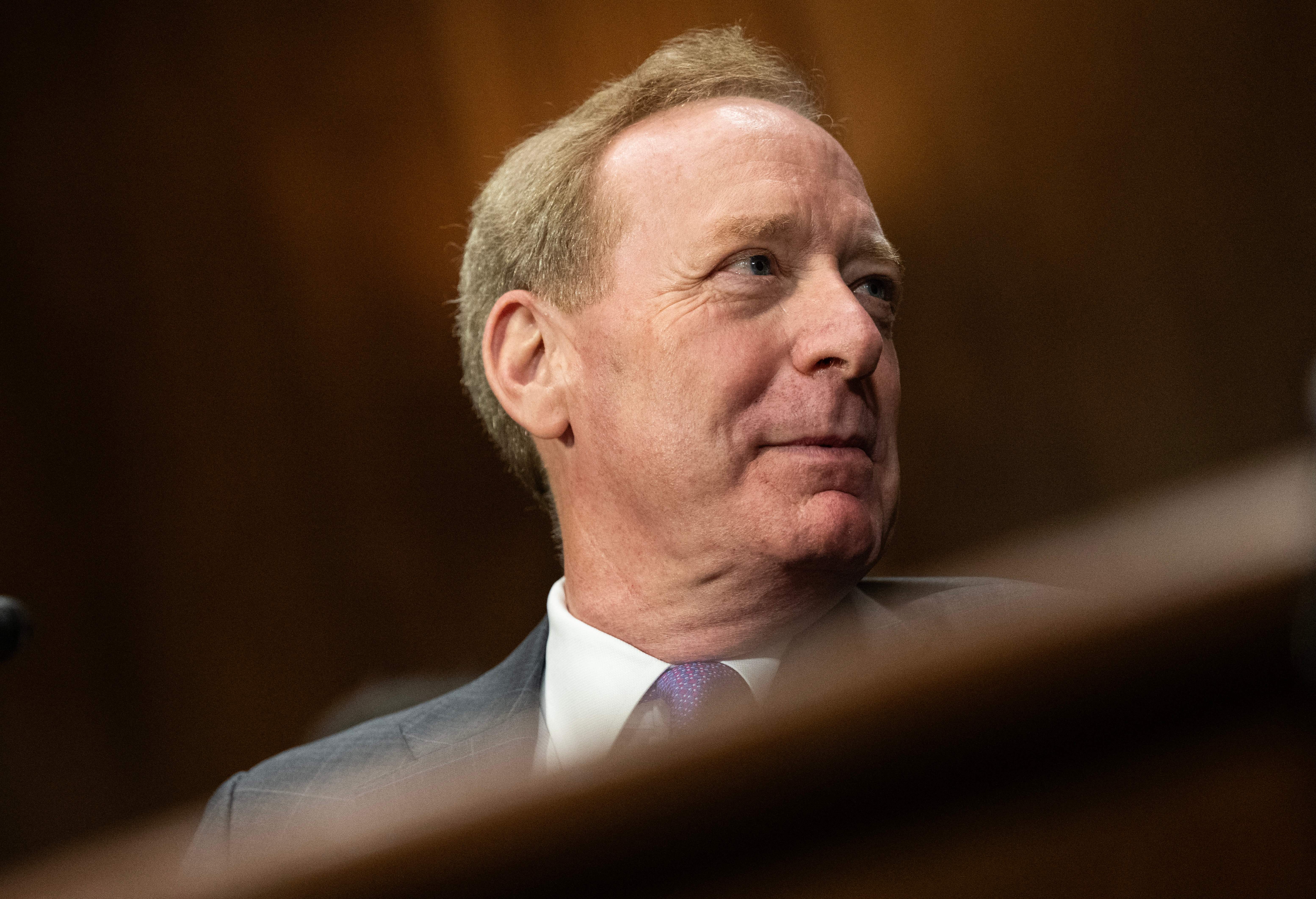 Microsoft's Brad Smith wants more AI kill switches
News Brad Smith has called for more regulation, saying the UK is well-positioned to lead
-
 Two groups account for a third of UK ransomware attacks
News Data from Cohesity has revealed that Europe has become a primary target as the number of US ransomware attacks declines


-
 Legacy kit behind vast majority of cyber attacks on utilities
News With equipment and software poorly suited to withstand modern cyber threats, organizations need to do more to identify unmanaged or vulnerable systems
-
 Hostile states behind three-quarters of UK critical infrastructure attacks
News NCSC CEO warns that with the rise of AI, the danger is only set to get worse
-
 Hospital cyber attacks are increasingly hitting patient care
News New research shows only 14% are confident they can lose access to health records for 72 hours without risk to patients
-
 Russian sentenced to jail for his part in ransomware attacks
News Aleksei Volkov operated as an initial access broker, helping cybercrime groups, including the Yanluowang ransomware group
-
 Google issues warning over ShinyHunters-branded vishing campaigns
News Related groups are stealing data through voice phishing and fake credential harvesting websites
-
 Former NCSC head says the Jaguar Land Rover attack was the 'single most financially damaging cyber event ever to hit the UK' as impact laid bare
News Researchers said they place the UK financial impact of the attack on Jaguar Land Rover at around £1.9 billion.
-
 Japan running super dry of its favourite beer as Asahi cyberattack continues
News Production of Asahi beer, one of the country's favourite beverages, has been halted, and reserves are running low
-
 A new 'top-tier' Chinese espionage group is stealing sensitive data
news Phantom Taurus has been operating for two years and uses custom-built malware to maintain long-term access to critical targets


