It’s not often that I feel bad for the chief executive of a multinational, multi-trillion dollar company. Well, when Satya Nadella, CEO at Microsoft, wrote a LinkedIn post in late 2025 all but begging the public to “...get beyond the arguments of slop vs sophistication and develop a new equilibrium in terms of our ‘theory of the mind’”, I’m happy to say he kept my streak alive.
He also doubled down, like most tech leaders are want to do these days, at the World Economic Forum in Davos where he said AI needed broader adoption because of a possible loss of “social permission” to use natural resources if it fails and gave a fairly dire definition of an AI bubble.
“I mean I think a telltale sign of if it's a bubble would be if all we're talking about are the tech firms,” Nadella added.
I take some solace in the fact that the same company quasi-demanding that the Copilot key on your keyboard be mandatory is entering the spring of their discontent. Two massive branding problems and we’re not even halfway through the year.
You see, Nadella failed to heed the lessons of what is commonly known as the Streisand Effect. This is the phenomenon in the court of public opinion, so often broadcast on social media, where trying to actively get people to ignore something you’ve done will actually cause the reverse to happen. As ITPro’s managing editor, Jane McCallion, put it on Bluesky: “I can't quite put my finger on why, but Nadella requesting we stop saying AI slop reminds me of Jeb Bush asking the audience to ‘please clap’.”
While Nadella’s approach wasn’t quite as meme-tastic as Bush’s faux pas – at least Bush didn’t try to dress up his wording as C-Suite style optimism – the underlying intent is rooted in the same thing: an undying belief that those with the biggest budgets can make magic in public. His blog post is the first crack in this AI-powered armor.
What Nadella and his colleagues have failed to understand is rule number one of public relations: don’t fan the flames. One can just imagine the seismic amount of headslapping that went on in Microsoft’s PR offices.
The good news for Nadella is that he’s far from the first tech CEO to stick his foot in his mouth in this fashion. Hell, there were leaders at CES in January that made similarly dubious announcements. It’s hard to defend, for example, companies appearing at the convention while simultaneously pulling out of the consumer vertical for their own products and nothing quite says AI slop as valiantly as Razer’s AI anime companion.
So, allow me to take a few lessons from that theatre degree, focused on disability, identity, and solo performance, and impart them to tech leadership who only see the arts as a good charitable write off.
First, take a breath. It should surprise no one that upper level executives at massive tech companies could be out of touch with the general public, but I think the root of the issue is they don’t take more than a few seconds in those very public moments to remember who their audience is.
On stage at Davos, BlackRock CEO Larry Fink was a friendly interviewer for Nadella and no doubt the audience was similarly inclined. The key difference is that messages at the World Economic Forum have a different audience than shareholders meetings. These comments will break containment. The everyday person Nadella kept talking about is not, as he posits, the knowledge worker or healthcare administrator crying out for efficiency; they are people with growing distrust of the content these AI models are spitting out.
Second, go back to basics. Regardless of whether we’re talking about art, sports, or tech, when you start to lose the thread, it’s time to come back to your foundation.
Not some self indulgent mantra of CEO first principles but a grounded process, aimed at key people in your user base. If a basketball player is in a shooting slump, they’ll often use a deconstructed form to get back in rhythm; a singer has a really specific warm up and cool down; and even someone on Nadella’s scale could use going back to these simple reps. Ditch the giant corporate case studies and look at what “social permission” actually means.
Lastly, come up for air. When you’re in a theatre show it can often be really easy to stay within your bubble. There’s this sort of post-performance malaise you can fall into once a show is over, as you come out of this creative cocoon and enter back into the real world.
Now, I’m not insinuating that the bear pit of multinational corporations is anything like an indie theatre rehearsal environment. What I can tell you is this: both situations require the fresh air of a reset. Nadella and his compatriots could use a dose of time away from these self indulgent spaces like the World Economic Forum or a self-penned blog post.
Otherwise, we’ll keep seeing these headlines. But hey, at least the Reddit content is good for a laugh.


 Microsoft has joined the growing list of companies cracking down on ‘tokenmaxxing’
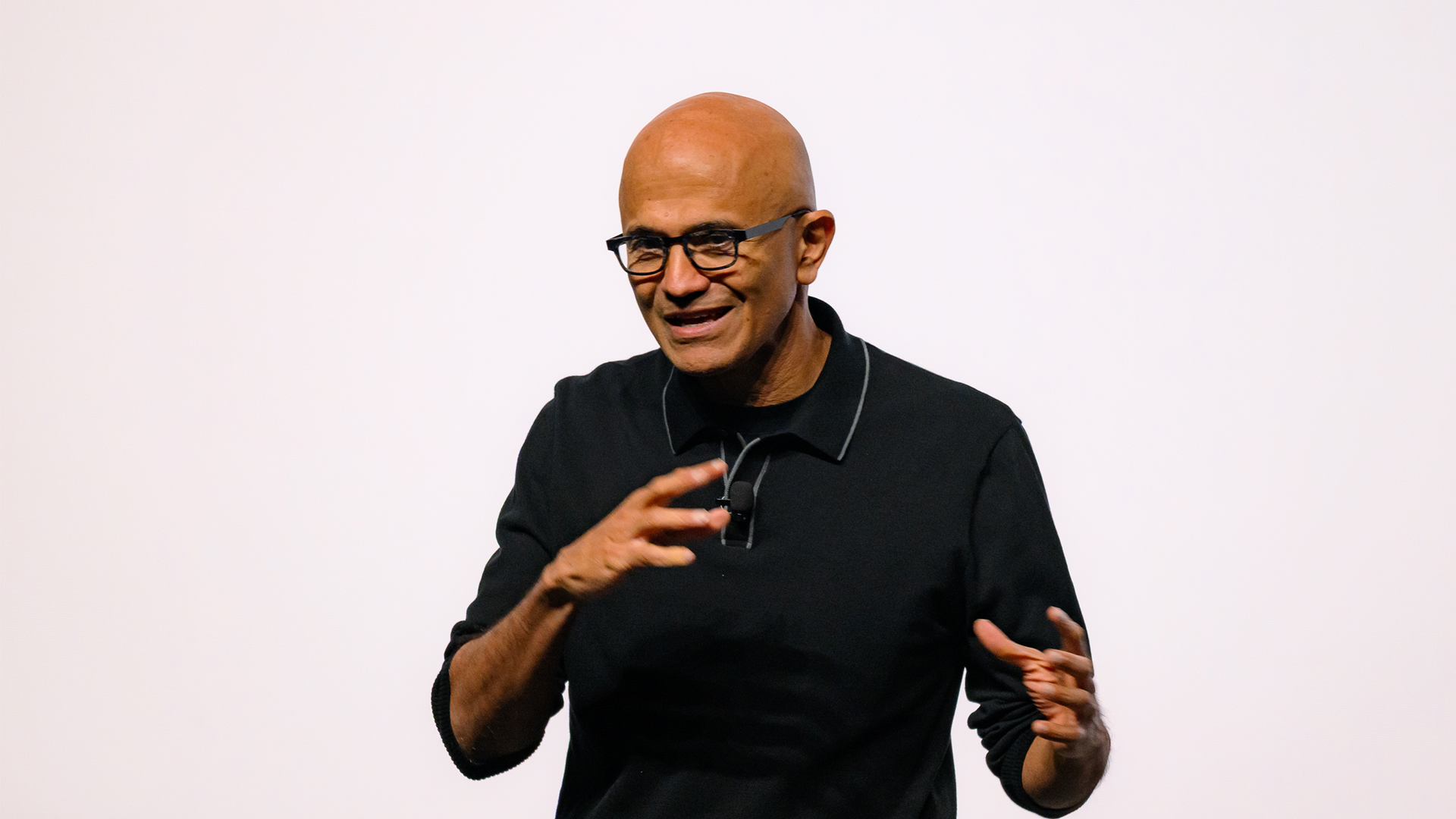 ‘We are now seeing MAI models outperform general-purpose frontier models’: Microsoft CEO Satya Nadella touts in-house models to cut spiralling AI costs – and reduce growing reliance on frontier labs
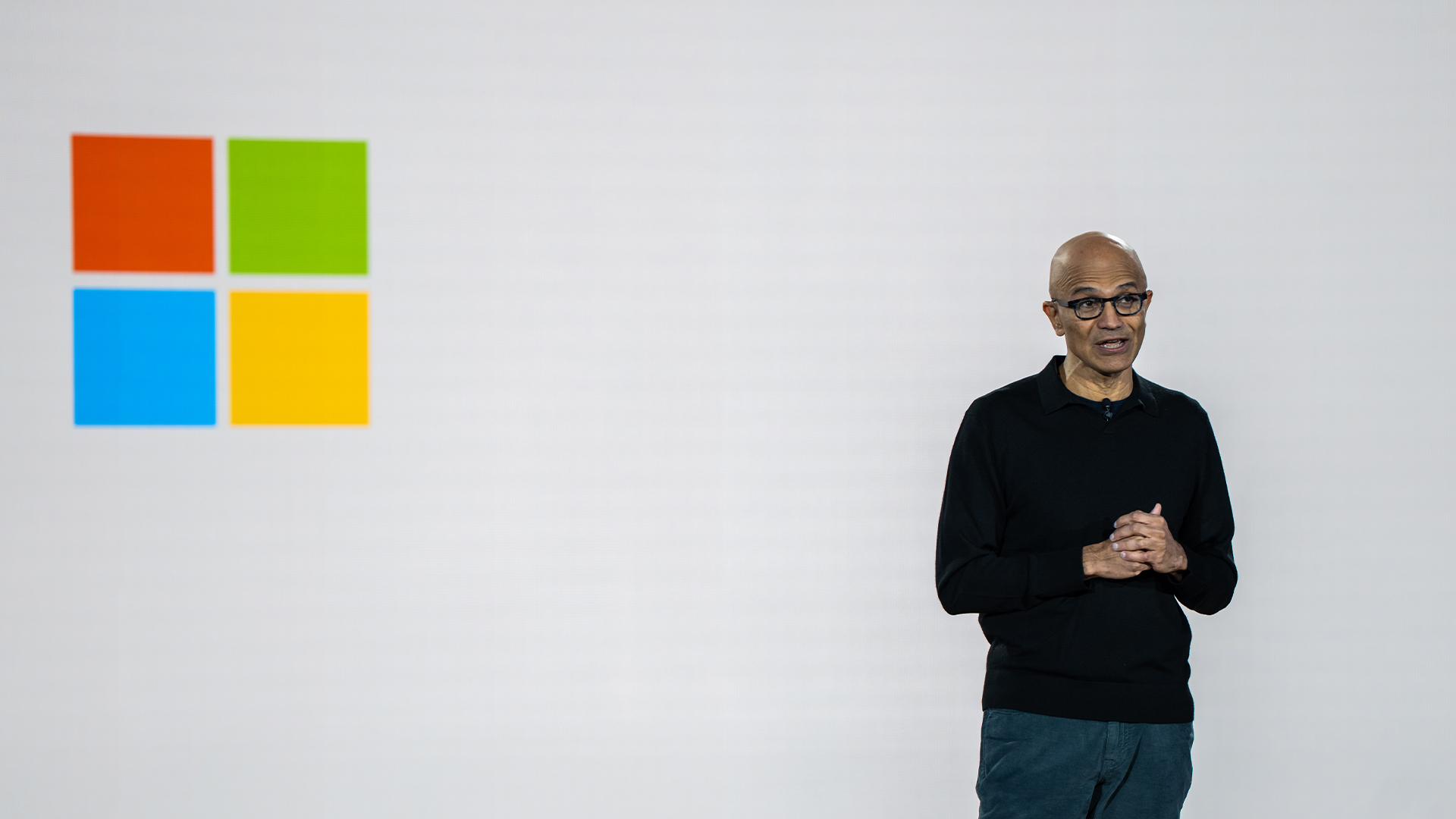 ‘A company should be able to use a model without giving up the knowledge that makes it unique’: Microsoft CEO Satya Nadella says enterprises shouldn’t be sharing so much data with AI providers
 Copilot Cowork is now generally available: Everything you need to know, including pricing, usage limits, and new features
 How Welsh councils are improving services with Microsoft Copilot
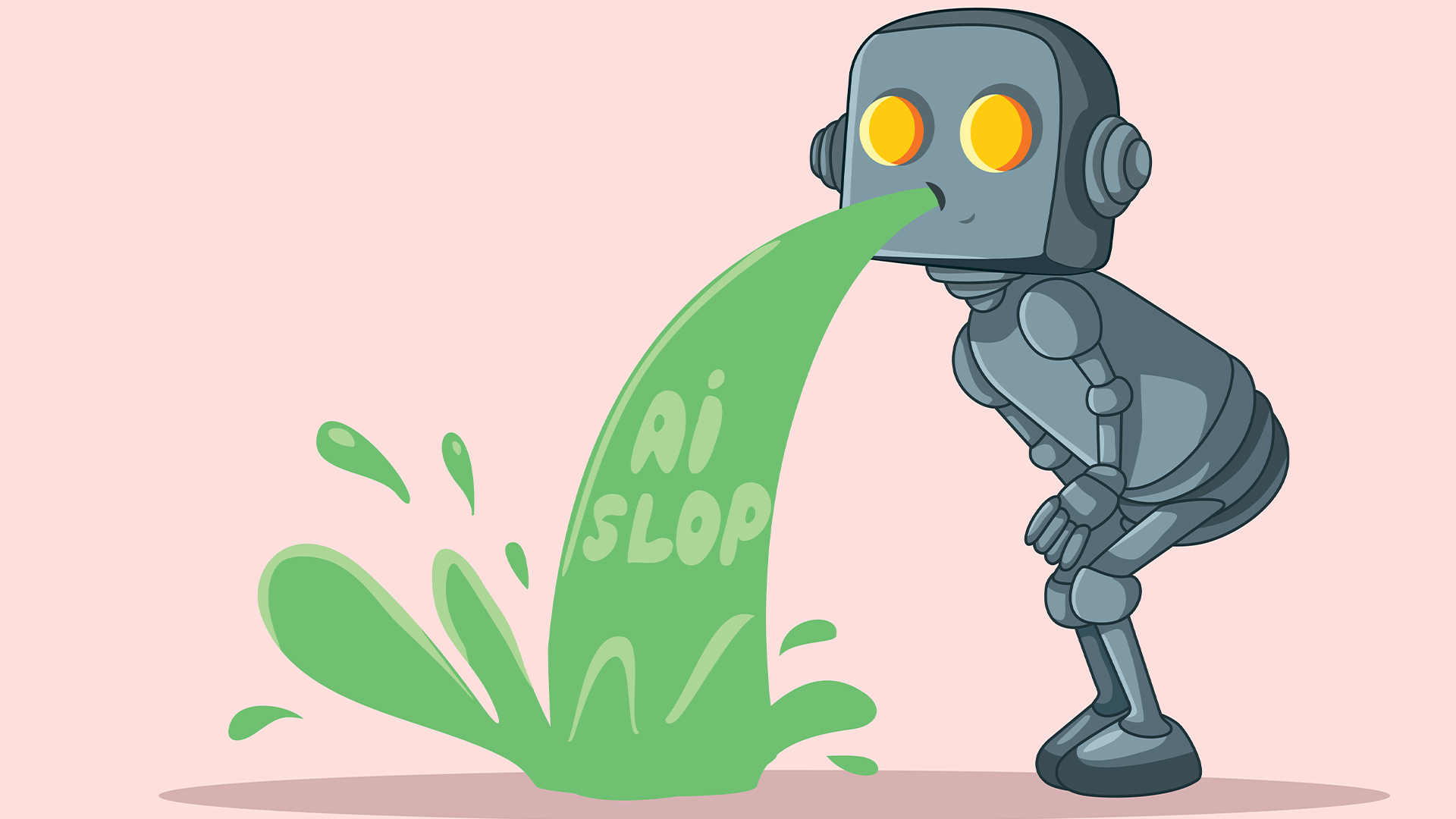 ‘LLMs are unreliable delegates’: Microsoft researchers say you probably shouldn’t trust AI with work documents
 Microsoft joins competitors in handing over AI models for advanced testing
 The AI operations gap is reshaping the Microsoft channel


