SGI puts supercomputer on the desktop
You no longer need an entire data-centre to benefit from high performance computing (HPC) claims SGI, as it launches the Octane III.
SGI, the high performance computer company, has launched the Octane III', which it describes as a "personal supercomputer" that "bridges the gap between desktop and datacentre".
With the Octane III, SGI said that it can bring high performance computing (HPC) levels of power to the desktop or at least the deskside. It can be configured to offer 10 dual-socket Intel 5500 series processors, which would deliver an impressive 80-cores of processing power in a single chassis. This can be backed up by up to 960GB of processing power.
Alternatively, a rack of 19 dual core Atom processors can be used with a maximum of 76GB of RAM.
The Octane III can also be configured as a graphics workstation using Nvidia Quadro or Tesla graphics and GP-GPU processors, though this will feature only' two Intel Xeon quad-core 5500 series processors and a mere maximum of 144GB or memory.
SGI said the systems will run a choice of Microsoft HPC Server 2008, SUSE Linux Enterprise Server and Red Hat Enterprise Linux operating systems.
"IDC research has shown a growing demand for high-performance deskside supercomputers, and the new Octane III personal supercomputer is designed to directly address the requirements of both the entry level HPC technical server market and the desktop workstation market," said Earl Joseph, HPC programme vice president at analyst IDC, in a statement.
The systems are available immediately at a starting price of $7,995, though users can expect to pay a lot more for heavily configured systems.
Sign up today and you will receive a free copy of our Future Focus 2026 report - the leading resource for IT decision-maker insight on priorities and investment areas in AI, security and more.
The Octane III is currently on display at the Intel Developer Forum in San Francisco (IDF). IT PRO is on the ground at IDF so click here for all the latest news from the show.
Benny Har-Even is a twenty-year stalwart of technology journalism who is passionate about all areas of the industry, but telecoms and mobile and home entertainment are among his chief interests. He has written for many of the leading tech publications in the UK, such as PC Pro and Wired, and previously held the position of technology editor at ITPro before regularly contributing as a freelancer.
Known affectionately as a ‘geek’ to his friends, his passion has seen him land opportunities to speak about technology on BBC television broadcasts, as well as a number of speaking engagements at industry events.
-
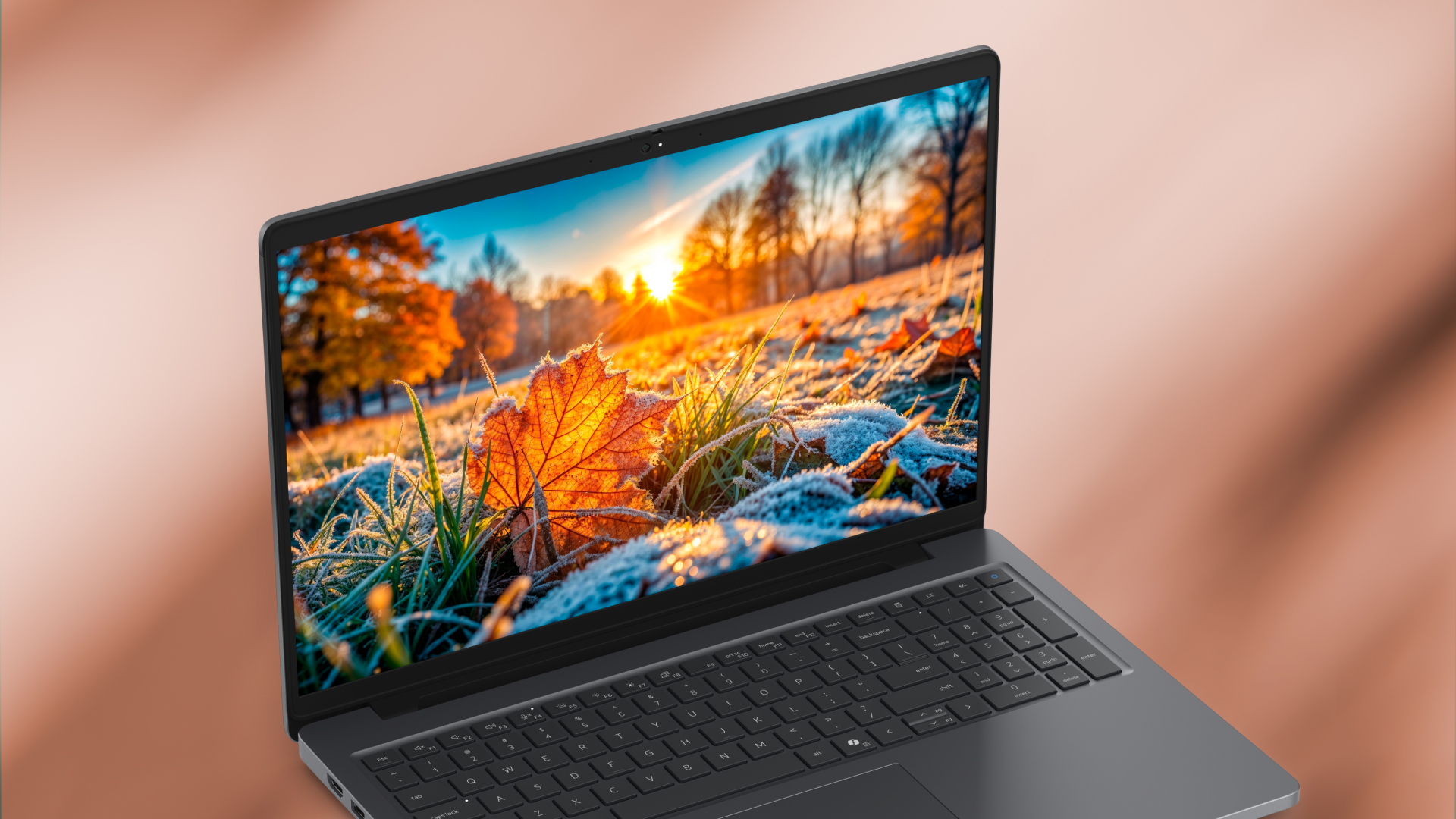
Need high-performance business laptops for heavy workloads? The Dell Pro 5 is a serious contenderSponsored With powerful new AI PCs hitting the market, enterprises face a crucial decision when opting for new workforce devices
-
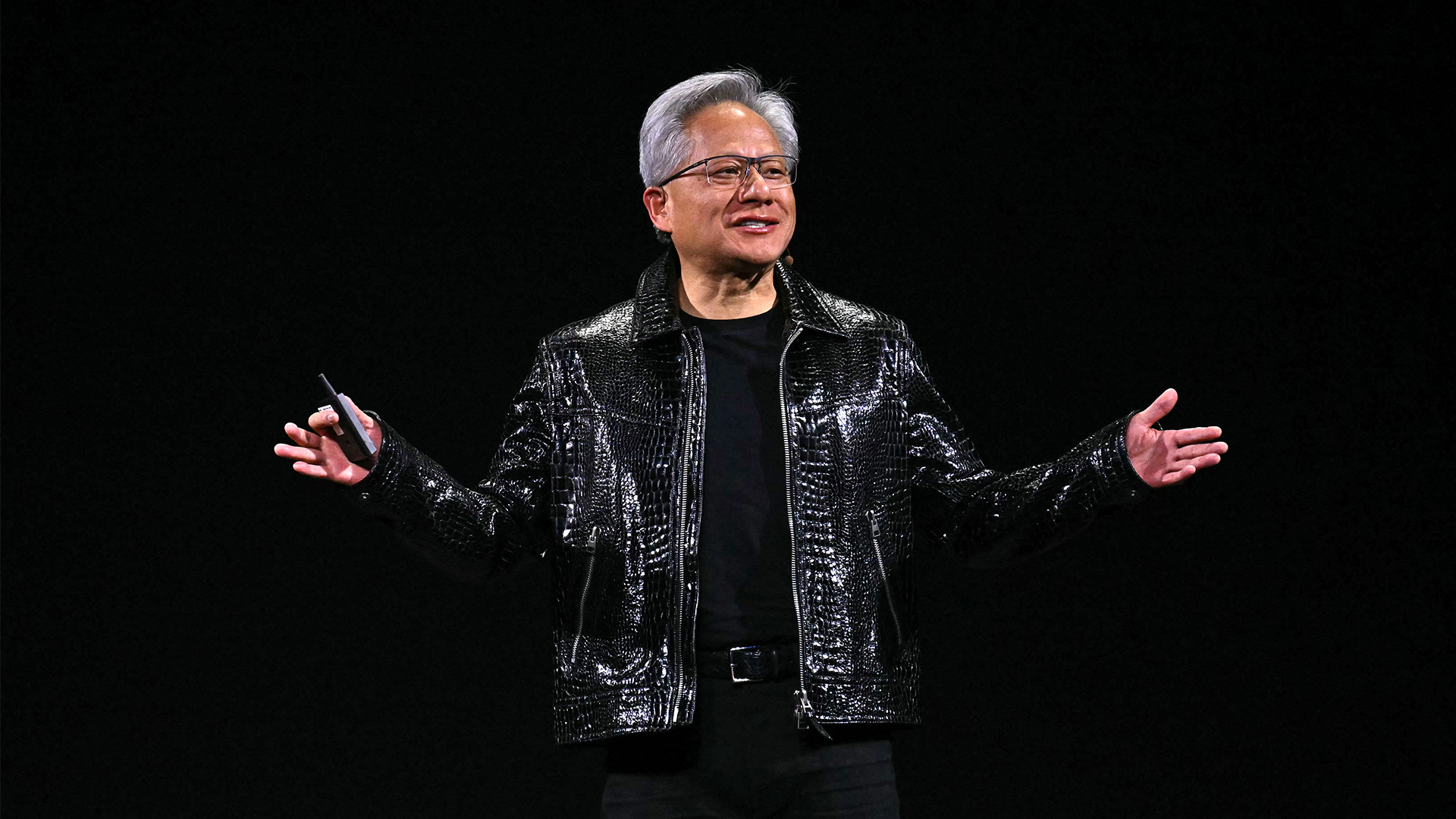
Jensen Huang returns to Nvidia as CEONews The co-founder and CEO is back in the hotseat
-
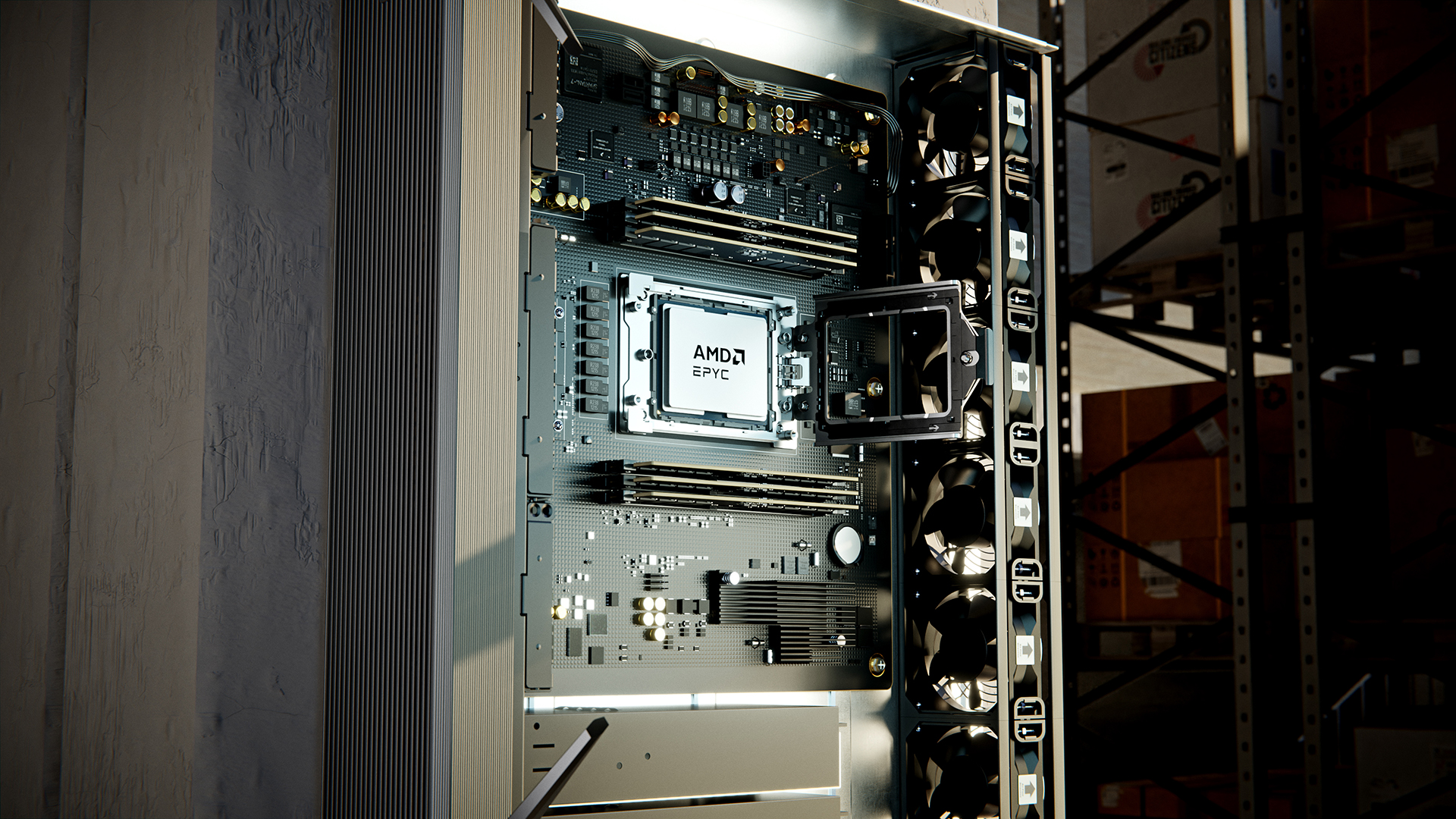
How AMD EPYC CPUs and AMD Instinct GPUs are powering the world's HPC facilitiesSponsored AMD offers powerful chipsets for AI and traditional HPC workloads, including native FP64 support
-

Help skilled workers succeed with Dell Latitude 7030 and 7230 Rugged Extreme tabletswhitepaper Help skilled workers succeed with Dell Latitude 7030 and 7230 Rugged Extreme tablets
-
The new era of the supercomputerSupported Fueled by AMD’s Mi300A APUs, the El Capitan supercomputer could herald a seismic shift in computational capabilities and unlock a new wave of scientific research and development when it launches in 2024
-

Google claims its AI chips are ‘faster, greener’ than Nvidia’sNews Google's TPU has already been used to train AI and run data centres, but hasn't lined up against Nvidia's H100
-
Lenovo's ThinkStation PX is a desktop data centre worth the hypeOpinion Lenovo's ThinkStation PX, P7 and P5 are workstations that can be used at home, in the office, or in a data centre rack – now we’re talking
-
Dell unveils four new PowerEdge servers with AMD EPYC processorsNews The company claimed that customers can expect a 121% performance improvement
-

IBM unveils its 'most powerful' 433-qubit quantum processorNews The Osprey is three times more powerful than IBM's 127-qubit Eagle processor the company launched a year ago
-
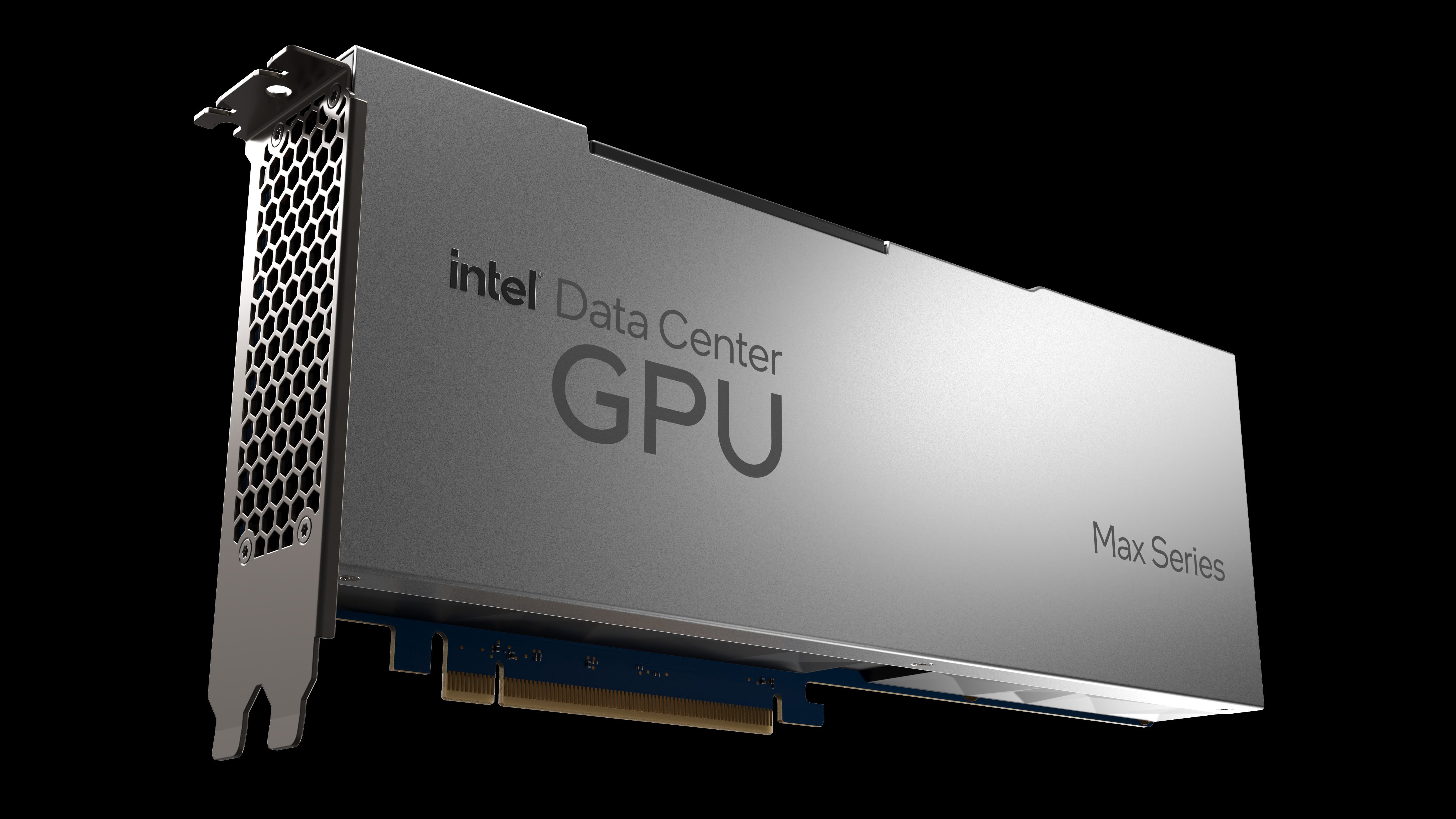
Intel unveils Max Series chip family designed for high performance computingNews The chip company claims its new CPU offers 4.8x better performance on HPC workloads