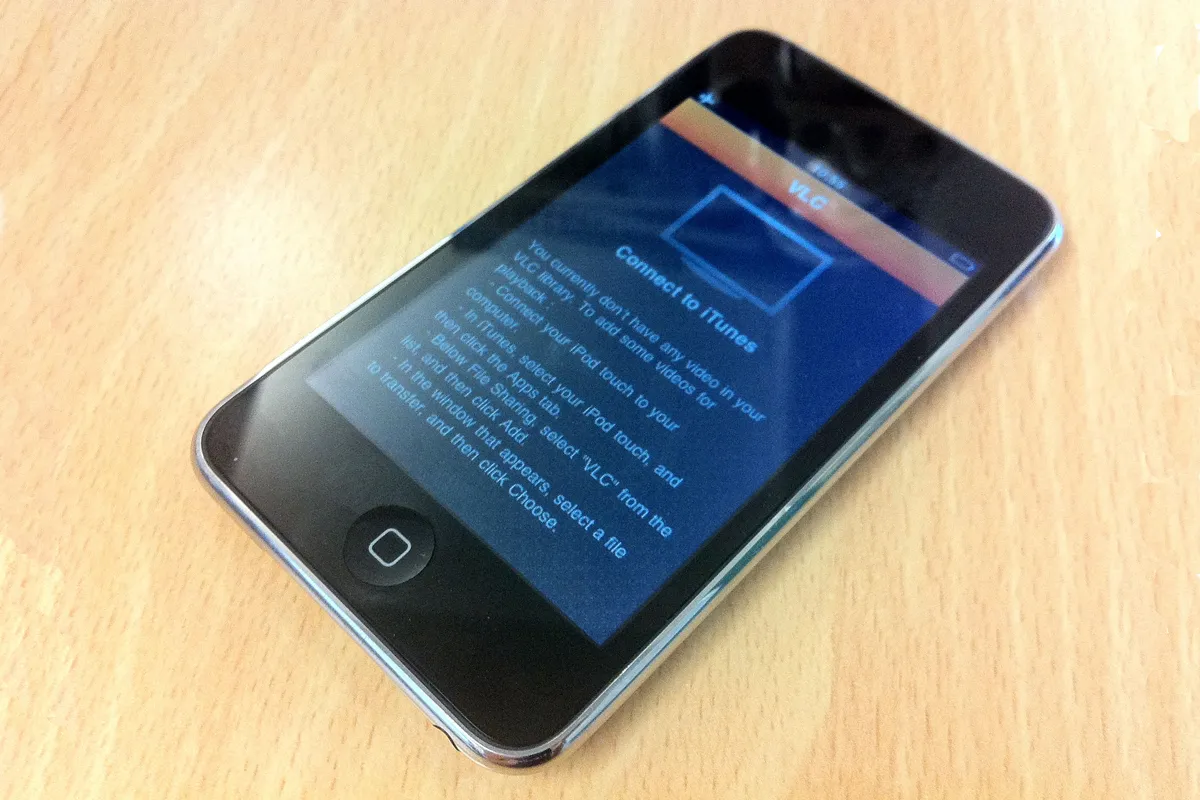

One of the most bitter and unresolved disputes in the technology industry is the war of words between Apple and Adobe over the issue of Flash Player and the iPhone. Most online videos are encoded in Flash, but the iPhone (and other iOS devices such as the iPad and iPod Touch) don't support it. Why not?
In an open letter back in April 2010, Apple chief executive (CEO) Steve Jobs listed several reasons why Apple has declined to include a version of Flash Player on the iPhone. One of them was the claim that Flash videos drain a smartphone's battery more quickly than videos in Apple's favoured H.264 format.
In response, Adobe CEO Shantanu Narayen called Jobs' list of technical issues a 'smokescreen'. He specifically stated that Jobs' concerns about Flash's effect on battery life 'patently false'.
Since Flash Player isn't publicly available for the iPhone (if it exists at all), it's difficult to tell who's right. Nonetheless, we decided to undertake our own series of tests to find out what effect playing Flash video has on the battery life of an iOS device and our results will surprise you.
What's At Stake
The spat between Apple and Adobe could have big implications for the tech industry.
Apple's favouring of H.264 over Flash has helped increase the popularity of H.264. For example, YouTube has converted its entire library to H.264 for playback on iOS devices. If Apple's claims about Flash's effect on battery life are true, then Flash's popularity could decline as smartphones and other similar mobile devices, such as tablets, become more popular.
Sign up today and you will receive a free copy of our Future Focus 2026 report - the leading resource for IT decision-maker insight on priorities and investment areas in AI, security and more.
In a wider context, if Apple is right, then Flash, one of Adobe's primary products is severely unsuited, for a growing, and potentially huge number of mobile computing devices. The company could therefore lose out financially unless it embraces Flash alternatives.
If Adobe is right, then Apple's policy of strictly controlling its products is seriously flawed by denying its iOS customers use of a popular technology that is available on rival Android devices.
-
UK tech leaders are implementing AI faster than related governanceNews IBM research shows that chief AI officers are being given strategy roles, but not full control
-

11:11 Systems appoints new EVP in EMEA growth driveNews The experienced executive will oversee the provider’s operations and strategic execution across the region as it targets further growth
-

‘We want to be able to share the pain with you’: Everpure CEO Charlie Giancarlo says firm will share the burden with customers amid rising hardware costsNews The Everpure chief thanked customers for “sticking with us” at Pure Accelerate 2026
-
Apple iPad Air (2020) review: The executive’s choiceReviews With the iPad Air’s most recent redesign, Apple has delivered the best bang-for-buck tablet money can buy
-
Apple iPad Pro 12.9in (2021) review: A giant leap for Apple siliconReviews Paired with a 120Hz display with incredible colour accuracy, the iPad Pro is more deserving of its name than ever
-

In praise of the early adoptersOpinion The IT industry needs early adopters like you – and tech that fell by the wayside should still be celebrated
-
Apple iPad (2021) review: The best entry-level iPadReviews Although pointing more to the past than the future, this iPad succeeds where it matters
-

The pros and cons of flash storageIn-depth A brief look at the pros and cons of flash storage, including its use in both USBs and SSDs
-
Apple is experimenting with attention sensors to save battery lifeNews Your next Apple device may shut down if you are not paying attention to it
-
Apple iPad Pro 12.9in (Apple M1, 2021) review: Falls just short of greatnessReviews More of a laptop alternative than ever with a stupendous display but iOS still has flaws