
-
 Need high-performance business laptops for heavy workloads? The Dell Pro 5 is a serious contender
Sponsored With powerful new AI PCs hitting the market, enterprises face a crucial decision when opting for new workforce devices
-
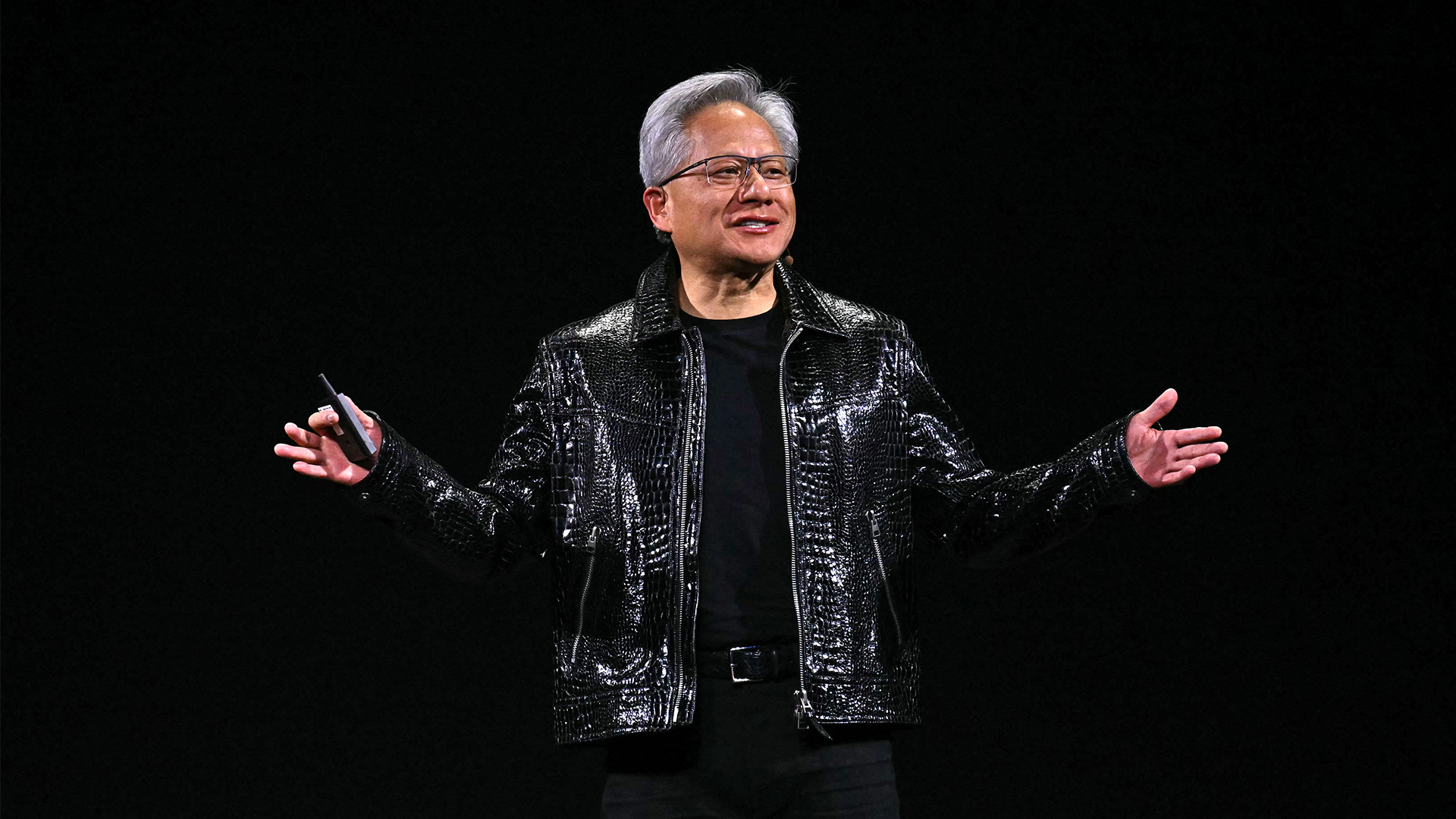 Jensen Huang returns to Nvidia as CEO
News The co-founder and CEO is back in the hotseat


-
 ICO reprimands Metropolitan Police over use of shadow IT
Officers and other staff were using an unapproved third-party platform to share data on suspected shoplifters
-
 EU can't afford sovereign cloud, research claims
Citing costs that it claims have been overlooked, CCIA Europe is predicting a €115 billion bill.
-
 ISACA CEO says AI compliance will be like 'SOX on steroids'
News Businesses will need to do far more work in far less time to meet stringent regulations
-
 Three things you need to know about the new EU AI Act rules
News From this week, organizations operating in the EU have a new set of obligations around AI content and transparency
-
 Startup founders lament 'regulatory friction' despite EU simplification efforts
News Entrepreneurs are spending a fortune on compliance, and it’s forcing some to consider relocating
-
 AWS says cloud market gatekeeper designation risks ‘deterring European investment and innovation’ as EU regulators plot competition crackdown
News Gatekeeper designation under the legislation would force AWS and Microsoft to make concessions
-
‘This closes a gap that has caused real uncertainty in the market’: Changes to EU AI Act implementation deadlines welcomed by industry
News New implementation deadlines for the EU AI Act could help remove “genuine friction” for European companies
-
 ‘Reducing reliance on foreign tech infrastructure is key’ to European tech success – and its survival
News MEPs have once again called for decreased reliance on foreign tech infrastructure


