Despite the initial furore surrounding its infamous antenna issues, the iPhone 4 is undoubtedly Apple's most successful smartphone so far and it's still the standard by which we judge all other smartphones here at IT Pro.
The new iPhone 4S therefore has a lot to live up to. The vast majority of the new features in iOS 5 and iCloud are shared between both iPhones, but there's still plenty in the new phone that leaves a favourable first impression, despite the fact that both iPhones look almost identical externally.
Wireless
The controversy surrounding the iPhone 4's antenna issues need no introduction for most of us. According to Apple, the iPhone 4S can automatically switch between its two antennas for better call quality whether this now puts the antenna issue to bed remains to be seen.
The iPhone 4S isn't an LTE-capable phone so it's not 4G, but it does have faster 3G speeds - 14.4Mbps download and 5.8Mbps upload. Whether we here in the UK will ever achieve those speeds depends on our mobile phone networks and their infrastructure. Frequent travellers to the US will appreciate the fact that the iPhone 4S works on both GSM and CDMA networks, unlike the iPhone 4 which came in two separate versions for each standard.
Voice control
The latest Android smartphones have fairly sophisticated dictation abilities, although its efficacy greatly depends on ambient noise and the speed and reliability of your data connection since the actual voice recognition is carried out by Google's servers. By comparison, the iPhone 4 and iOS 4 are limited to a handful of simple phrases for dialling phone numbers by voice or controlling music playback.

The new Siri feature on the iPhone 4S looks impressive. It's a natural language interface that should be able to understand and reply to most questions, even if they can be worded in numerous different ways. In a demonstration at Apple's press conference, Siri was used to check an incoming text message, check the calendar for any upcoming appointments on a particular day before replying back to the sender. Android-style dictation is also available.
Siri is likely to be exclusive to the iPhone 4S - its dual-core A5 processor is almost certainly needed for Siri to work. Even if Siri doesn't catch on with the general public, it's likely to be greatly appreciated by the blind and visually impaired.


-
 How to put Alexa on Raspberry Pi
Tutorials Here's how you can build a home-brew Amazon Echo
-
 Biometric authentication: the key to keeping businesses and users happy?
In-depth You’re already paying for biometrics in business laptops, so is it time for your business to start using them?
-
 The movie technology that IT departments would love
In-depth Hollywood has very clear ideas of what computers are capable of. But which of its pipe dreams would actually help the modern day IT department? Simon Brew has some suggestions…
-
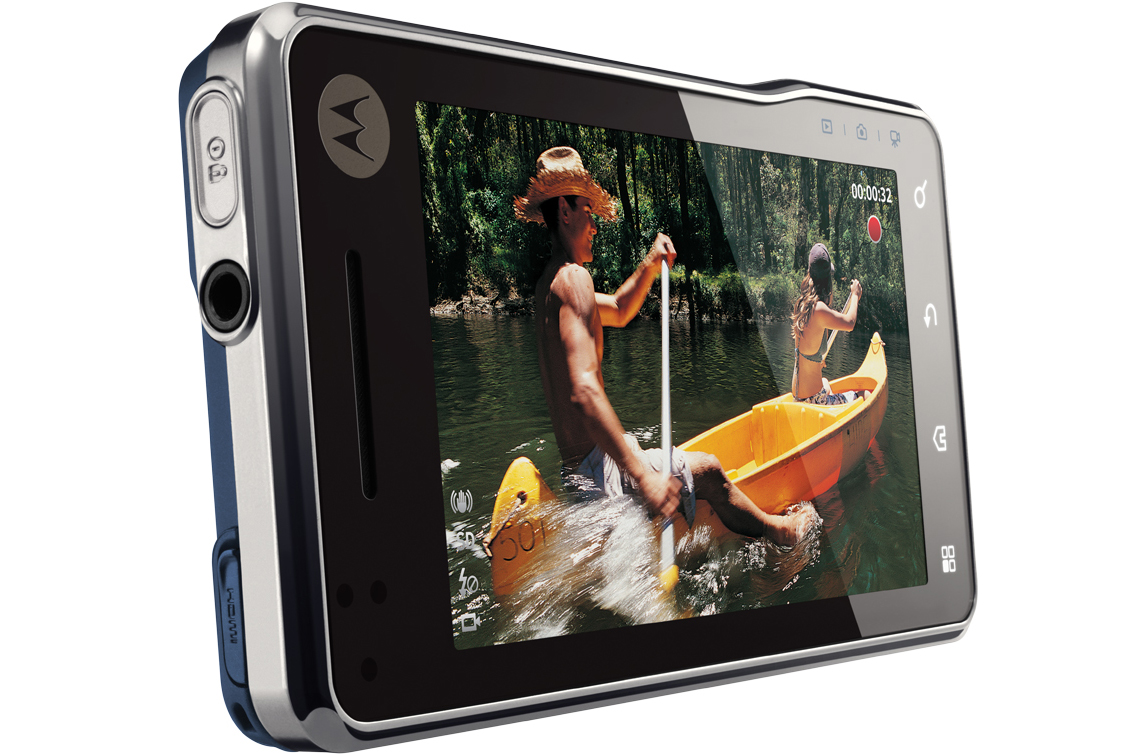 Motorola Milestone XT720 review
Reviews We review the latest smartphone from Motorola. Is it good enough to stand out from other Android phones?
-
 Top 10 future trends for mobile phones
In-depth The mobile industry moves at such a fast space, it's often hard to keep up. But what are the big predicted future trends coming to a smartphone near us? We roundup 10 of the best.
-
 Is it time to say goodbye to keyboards?
In-depth Will the arrival of the iPad herald a new era in touch screen-only computing?
-
 Windows Mobile gets voice recognition
News Microsoft subsidiary TellMe has launched three new features for the Windows Mobile platform.
-
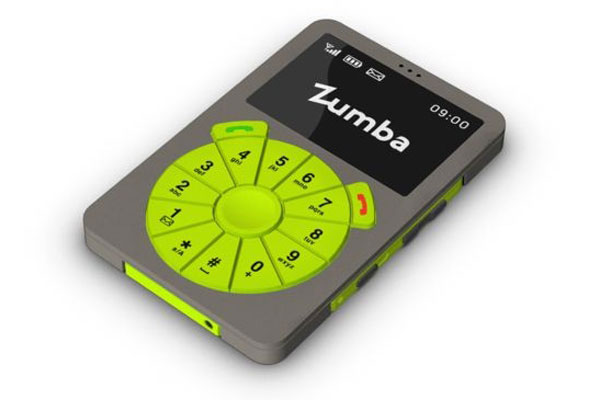 Top secret Zumba phone could boost comms
News A British based technology company is working on a fully voice activated handset that it says could revolutionise the industry.