2012: the outlook for CIOs
The CIO's task became harder in 2011. In 2012, IT leaders will need to cement their position as trusted advisers to the business, rather than just the person who keeps the lights on.
2012 will bring three key technical developments in IT, according to analyst firm Gartner.
The importance of mobile devices in business will continue to increase, with "mobile devices continuing to outgrow PCs as preferred primary computing devices," it claims.
The greatest challenge for CIOs is not a technical one.
Companies will continue to expand the volumes of data they gather, and in many case this "big data" explosion will "overwhelm most companies' ability to understand that data."
What's more, cloud computing models will force businesses to change both their internal IT structures and their relationships with outsourcers, even though the cloud still raises some concerns: "security assertions and certifications for cloud providers are still lacking in completeness and availability," says the analyst.
But perhaps the greatest challenge for CIOs is not a technical one. As Gartner points out the control of technology budgets is moving out of IT, and into the business. For all the technical reasons the analyst has outlined consumerisation and mobility, the use of the cloud, and big data increasingly the business itself, rather than IT, is in the driving seat.
Strategy, or tactics
Sign up today and you will receive a free copy of our Future Focus 2026 report - the leading resource for IT decision-maker insight on priorities and investment areas in AI, security and more.
In some companies, this is putting a question mark over the role of the CIO, and the IT department. If the business can buy technology directly from vendors as cloud computing, for example then the role of the CIO might be diminished.
It is not just a question of how the cloud affects IT. Over the last few years, the use of business process outsourcing has grown steadily. Companies are not just turning to cloud services for base-level IT resources such as processing or storage, or even for software such as CRM.
-
Need a fleet of solid Windows business laptops? Modernize with the Dell Pro 3Sponsored Aging laptops can nix a small business’s efficiency and productivity, but the Dell Pro 3 can help bring you up to date
-
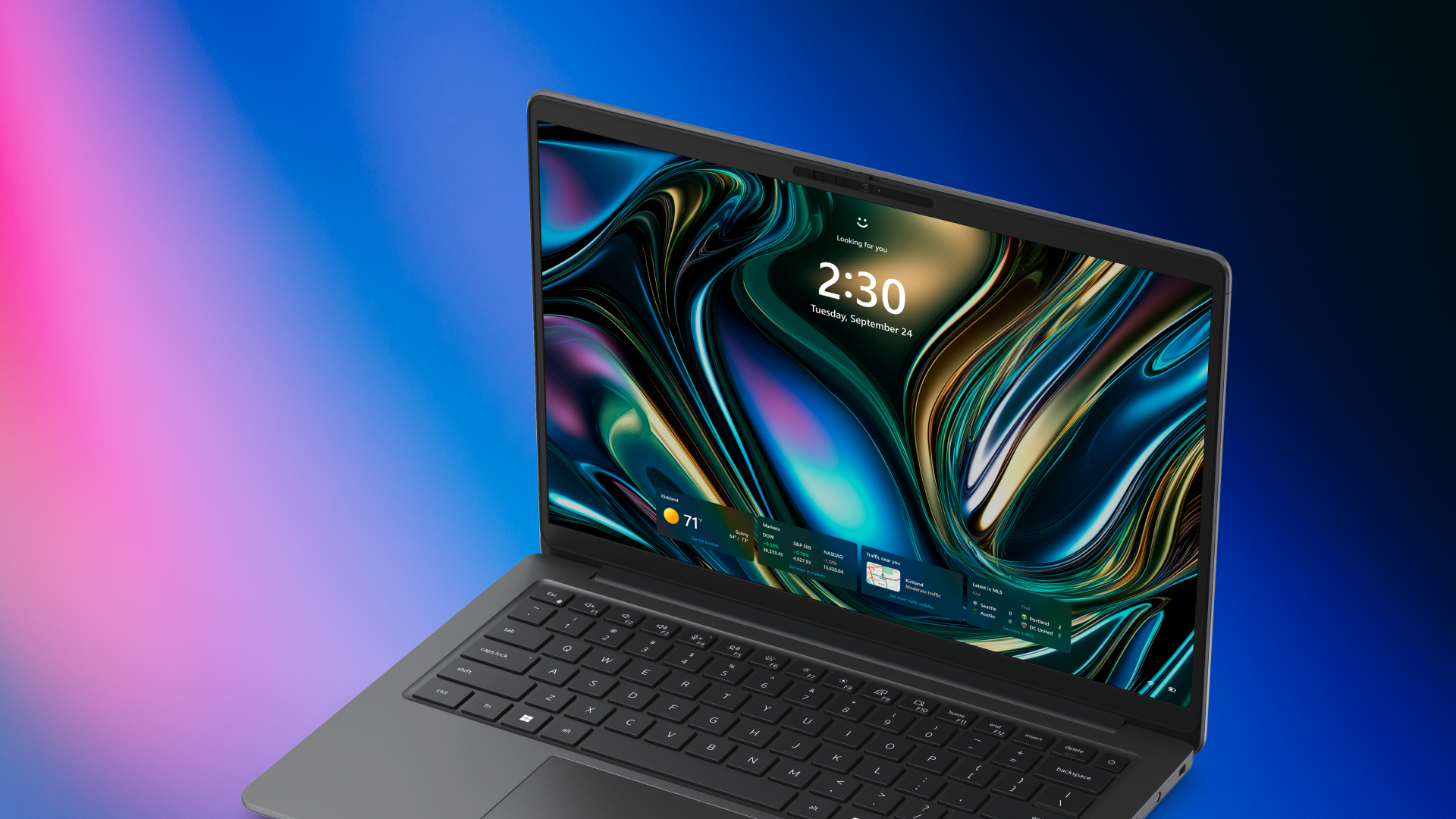
5 features that make the Dell Pro 7 the ultimate travel laptop for business professionalsSponsored Discover five Dell Pro 7 features for business professionals on the move: lightweight design, privacy display options, premium collaboration tools, battery life, and layered security
-
Future trends, changing work todaywhitepaper The Ultimate Guide
-
The truth about cyber security trainingWhitepaper Stop ticking boxes. Start delivering real change.
-
Employees behaving badly?Whitepaper Why awareness training matters
-
Teaching good cyber security behaviors with SeinfeldWhitepaper Overcoming the employee engagement challenge in security awareness training
-
Using the cloud to address the digital skills gapWhitepaper Boost retention in an increasingly digitised environment
-
IT Pro Panel: Tackling technical recruitmentIT Pro Panel With the recruitment market shifting, how can businesses both retain their best staff and fill gaping talent shortages?
-
Podcast transcript: Why techies shouldn’t become managersIT Pro Podcast Read the full transcript for this episode of the IT Pro Podcast
-
The IT Pro Podcast: Why techies shouldn’t become managersIT Pro Podcast Managing people is a completely different skillset to managing technology - so why do we keep pushing people from one to the other?