
ACTA: the basics, the controversies, and the future
At the end of January, 22 countries signed up to ACTA. But what is it, and how will it be affecting you? Simon Brew has been finding out.
On January 26th 2012, 22 member states of the European Union put pen to paper on the Anti-Counterfeiting Trade Agreement (ACTA). In the words of the European Commission, it's an agreement that "ensures people everywhere can continue to share non-pirated material and information on the web," whilst offering the reassurance that it "does not restrict freedom of the internet. ACTA will not censor or shut down websites."
The creation of ACTA has been beset with controversy. There's been a real sense of cloak and daggers about it.
It adds that "ACTA ensures the EU's already high standard of protection for intellectual property goes global - protecting jobs in Europe. Because Europe is losing 8 billion annually through counterfeit goods flooding our market."
Inevitably, though, the soothing words of the official EC language haven't offered too much comfort for those protesting what's proven to be a massively contentious agreement. Already, in the aftermath of ACTA being signed, one senior European Parliament official Kader Arif - has tendered his resignation, complaining that there was "no association of civil society, lack of transparency from the beginning and successive postponements of the signing of the text without any explanation".
So, what's been going on?
In the beginning
The story of ACTA began way back in 2006, as an attempt to bring together a unified response to the piracy of copyrighted work, and the global trade in counterfeit goods. In both instances, the internet, generally governed by local rather than international laws, had facilitated a massive surge in activity, and the idea with ACTA was to put together some tools to combat it.
Sign up today and you will receive a free copy of our Future Focus 2026 report - the leading resource for IT decision-maker insight on priorities and investment areas in AI, security and more.
Given the contentious nature of anything that in any way battles any degree of web freedom, the creation of ACTA has been beset with controversy. There's been a real sense of cloak and daggers about it.
-
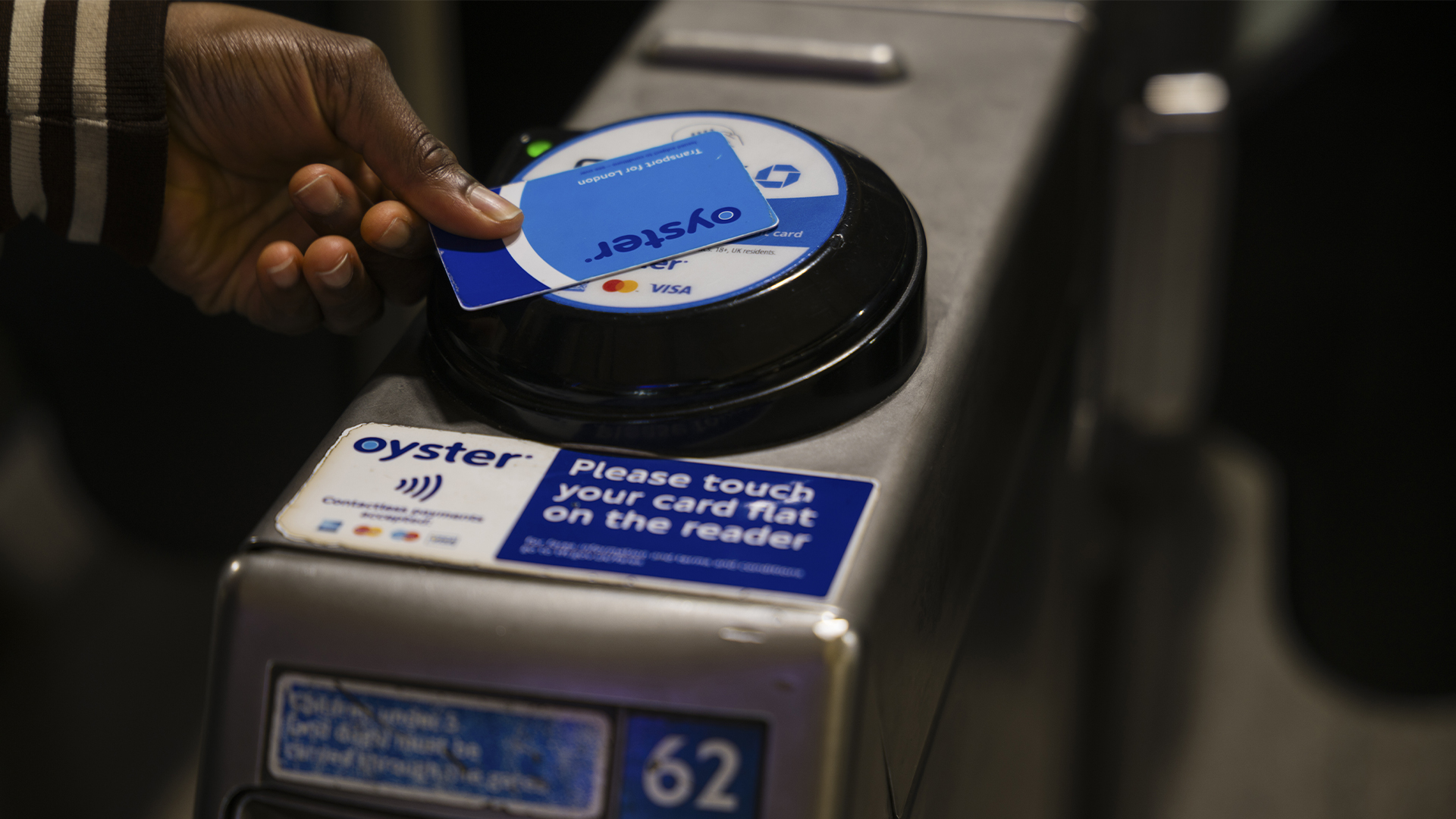
TfL takes Oyster photocard systems offline following breachNews Security experts warn the Oyster photocard breach could lead to follow-up attacks on victims
-

Irish credit unions hit by data breach after IT provider compromisedNews Wellington IT reportedly delayed alerting customers by multiple weeks
-

EU can't afford sovereign cloud, research claimsCiting costs that it claims have been overlooked, CCIA Europe is predicting a €115 billion bill.
-

ISACA CEO says AI compliance will be like 'SOX on steroids'News Businesses will need to do far more work in far less time to meet stringent regulations
-
Three things you need to know about the new EU AI Act rulesNews From this week, organizations operating in the EU have a new set of obligations around AI content and transparency
-
Startup founders lament 'regulatory friction' despite EU simplification effortsNews Entrepreneurs are spending a fortune on compliance, and it’s forcing some to consider relocating
-

AWS says cloud market gatekeeper designation risks ‘deterring European investment and innovation’ as EU regulators plot competition crackdownNews Gatekeeper designation under the legislation would force AWS and Microsoft to make concessions
-
‘Reducing reliance on foreign tech infrastructure is key’ to European tech success – and its survivalNews MEPs have once again called for decreased reliance on foreign tech infrastructure
-
Trade groups claim EU’s Digital Networks Act risks “favoring the interests of outdated telecom monopolies”News The European Commission has set out its proposals to boost the EU's connectivity, to some criticism from industry associations
-

EU lawmakers want to limit the use of ‘algorithmic management’ systems at workNews All workplace decisions should have human oversight and be transparent, fair, and safe, MEPs insist