EU lawmakers want to limit the use of ‘algorithmic management’ systems at work
All workplace decisions should have human oversight and be transparent, fair, and safe, MEPs insist


-
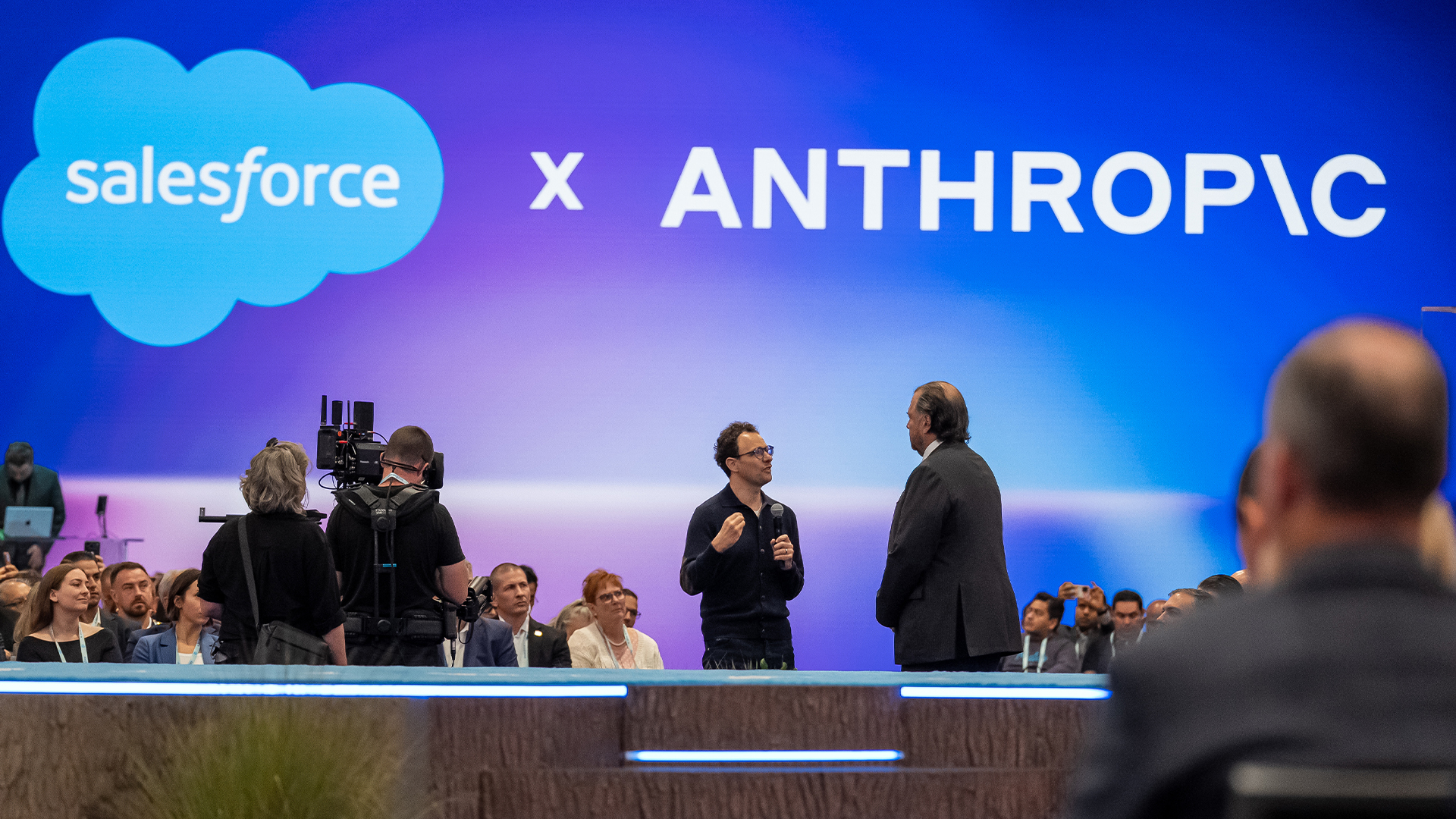 Dreamforce 2026 showed AI safety is the new big tech battleground
News Differing outlooks on AI safety risks have become clear as leading tech figures hit an impasse on responsible development
-
 Marc Benioff and Jensen Huang aren’t sold on the ‘SaaSpocalypse’
News Reports on the death of SaaS has been greatly exaggerated, according to the Nvidia and Salesforce chiefs – but big changes are still looming for software providers


-
 ‘Reducing reliance on foreign tech infrastructure is key’ to European tech success – and its survival
News MEPs have once again called for decreased reliance on foreign tech infrastructure
-
 AI is “forcing a fundamental shift” in data privacy and governance
News Organizations are working to define and establish the governance structures they need to manage AI responsibly at scale – and budgets are going up
-
 26% of privacy professionals expect a “material privacy breach” in 2026 as budget cuts and staff shortages stretch teams to the limit
News Overworked, underfunded privacy teams are being left hung out to dry by executives
-
 Data (Use and Access) Act comes into force
news Organizations will be required to have an effective data protection complaints procedure and fulfil new requirements for online services that children are likely to use
-
 European Commission calls for cyber security proposals
News With a special focus on healthcare, the Commission is looking to allocate €145.5 million
-
 UK businesses patchy at complying with data privacy rules
News Companies need clear and well-defined data privacy strategies
-
 Data privacy professionals are severely underfunded – and it’s only going to get worse
News European data privacy professionals say they're short of cash, short of skilled staff, and stressed
-
 Four years on, how's UK GDPR holding up?
News While some SMBs are struggling, most have stepped up to the mark in terms of data governance policies


