
Mobile payments to oust cash and cards
Microchip and mobile payments will take over by 2020, consultants predict.
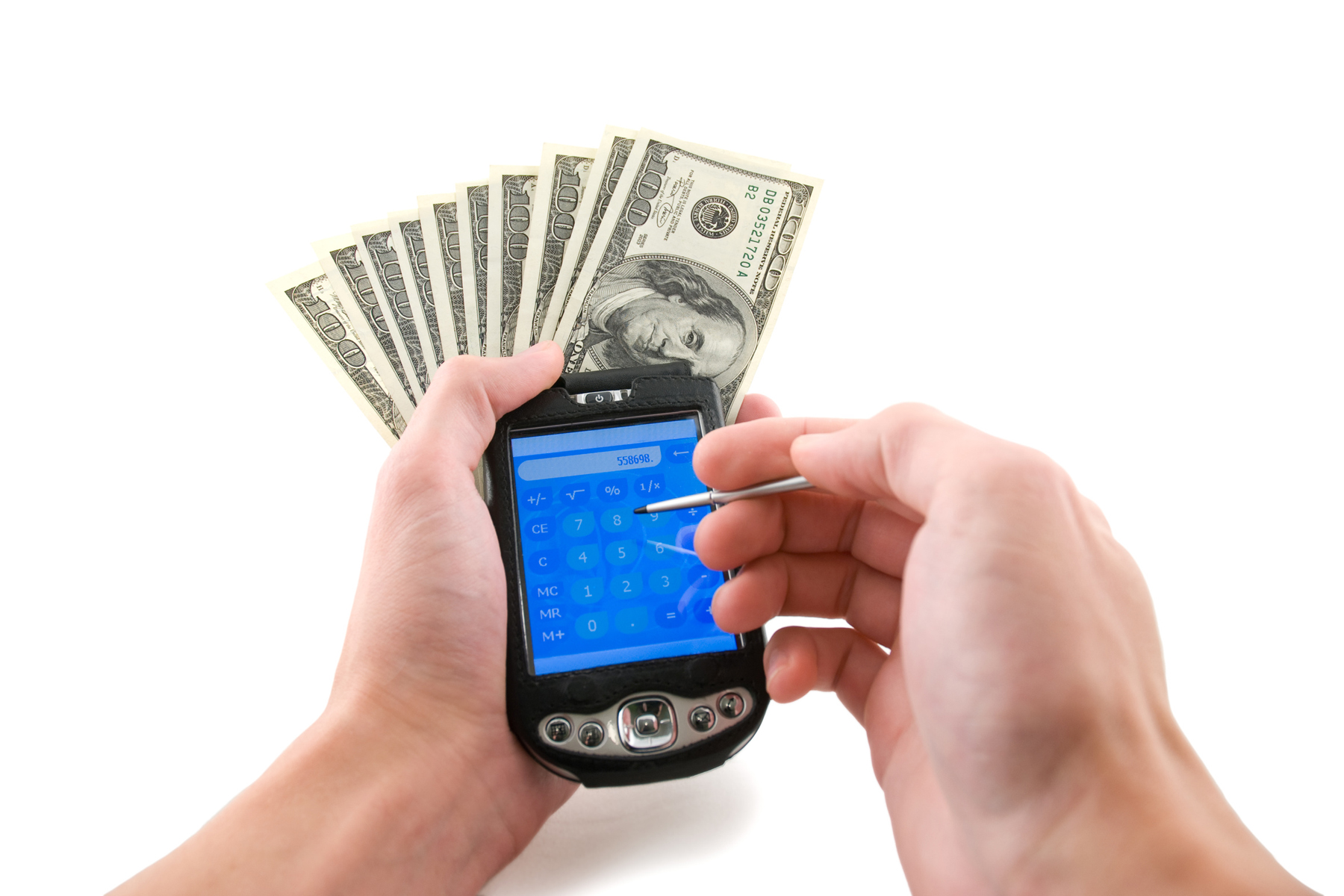
Mobile payments, and payments via microchips, could oust card payments and even cash within the next decade.
Mobiles are expected to be the main method of payment by 2020, and businesses will increasingly turn to peer-to-peer payment systems, rather than using banks.
Research, carried out by the payments team at KPMG, the professional services firm, paints a futuristic vision of a world where plastic cards, and even cash, will be replaced by more advanced technologies. And businesses will want to manage their own payments, in order to better capture the data that goes with everyday transactions.
More than half or 54 per cent of transactions will be carried out by mobile phones and other smart devices, such as watches equipped with microchips, by 2020. And as many as 12 per cent of purchases could be authorised by biometric identification, such as an iris scan or fingerprints. Some consumers might go further still, and opt for skin implants containing RFID chips instead of cash.
But interest in mobile payments is being driven by more than convenience, according to KPMG's head of payments, Mark Hale. Currently, when a customer pays for goods or services by cash, very little information is captured about the sale. A customer using a payment card, or better still a loyalty card, is a much richer source of data. Technologies such as m-payments can combine loyalty and payment cards in one device, improving both convenience and data capture.
And businesses are looking beyond consumers, to see whether electronic payments could also improve the speed of business-to-business transactions. At present, it can take up tp five days for a transaction to move between two business trading partners, said Hale. But such transactions can, and should, be near-instantaneous.
Businesses are responding by building their own payments systems or "payments factories", which KPMG argues, allows them to bypass the banks. And building such systems ensures that the business captures data that is currently lost in the banking chain. "With that information, an insurer could know that the average house insurance policy on your street costs 450, so if your policy costs 560 they will be able to talk to you about a better product," he said.
Sign up today and you will receive a free copy of our Future Focus 2026 report - the leading resource for IT decision-maker insight on priorities and investment areas in AI, security and more.
But in order to take advantage of a cashless world, companies will have to boost their IT skills in areas such as payments systems, mobile data communications and data analytics. "If they want to unlock the value of the transaction data they need to build up security and trust, as well as their knowledge of payment instruments," said Hale.
-
Week in Review: Nokia updates Symbian, browser wars kick offNews This week, Symbian gets Nokia's attention whilst the browser giants are at it again.
-
Ovi store hits five million daily donwloadsNews Nokia claims its applications store has grown eight times over in the past year.
-
Mobile services to hit $1 trillion in revenuesNews Gartner has said mobility services will be worth more than $1 trillion a year by 2014.
-
How do UK and US mobile consumers compare?In-depth It seems consumer methods of picking up a mobile phone differ depending on your side of the Atlantic Ocean, but why? Our resident American, Hannah Douglas, casts her eye over the habits of each side.
-
Nokia waves hello to Skype for SymbianNews More than 200 million Symbian-based smartphones will now be able to make use of Skype.
-
Microsoft software headed to Nokia's SymbianNews New partnership will see Office on Symbian phones, in a move designed to challenge RIM's BlackBerry.
-
IBM and Nokia add Notes email to phonesNews The computing and mobile phone giants partner to add Lotus Notes email support to a range of Nokia’s Symbian S60-based handsets.
-
Week in Review: Gates, Nokia and ICANNNews A busy week for the IT world, as Bill Gates leaves for charitable pastures, Nokia picks up Symbian, and more on domain names and data breaches.