
CPS confirms Gary McKinnon will not face charges in the UK
Ruling brings hacker's decade-long legal ordeal to an end.
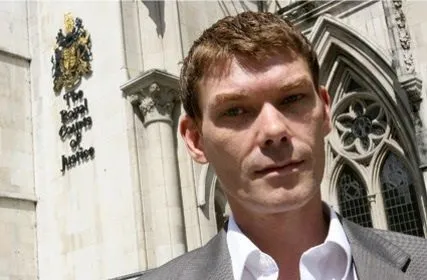
The Crown Prosecution Service (CPS) has confirmed that computer hacker Gary McKinnon will not face charges in the UK, bringing his 10-year legal battle to a close.
McKinnon had been accused of gaining unauthorised access to 97 US government computers between 1 February 2001 and 19 March 2002, prompting demands for him to be extradited to the US to stand trial.
He previously admitted accessing the computers, claiming he was looking for evidence of extraterrestrial life, and had been facing the threat of up to 60 years in prison.
I feel the last 10 years have been gruelling.
Earlier this year, Home Secretary Theresa May quashed calls for McKinnon to be extradited to the US to stand trial, citing medical factors.
In a statement, the CPS has now confirmed there are no plans to commence a new criminal investigation into McKinnon, adding that the prospects of a conviction against him are not high.
"The potential difficulties in bringing a case in England and Wales now should not be underestimated, not least the passage of time, [and] the logistics of transferring sensitive evidence prepared for a court in the US to London for trial," the CPS statement said.
Sign up today and you will receive a free copy of our Future Focus 2026 report - the leading resource for IT decision-maker insight on priorities and investment areas in AI, security and more.
"US authorities indicated...they would be willing to co-operate with a prosecution...[but] they do not consider making all the US witnesses available for trial in London and transferring all of the US material for this jurisdiction would be in the interests of justice," it added.
Speaking to BBC News, Janis Sharp, McKinnon's mother, said she was delighted by the ruling.
"Gary admitted to the intrusion, he always denied the damage. I feel the 10 years have been gruelling, it's been life-destroying. It's difficult to explain how bad it's been," she said.
"To have this over is amazing. Gary's gone through enough. Other people have been accused of more serious hacking in this country and they've been given a 1,000 fine and a very short community sentence."
Caroline Donnelly was the news and analysis editor of IT Pro. Previously, she worked as a reporter at several B2B publications, including UK channel magazine CRN, and as features writer for local weekly newspaper, The Slough and Windsor Observer. She studied Medical Biochemistry at the University of Leicester and completed a Postgraduate Diploma in Magazine Journalism at PMA Training in 2006.
-
TfL takes Oyster photocard systems offline following breachNews Security experts warn the Oyster photocard breach could lead to follow-up attacks on victims
-

Irish credit unions hit by data breach after IT provider compromisedNews Wellington IT reportedly delayed alerting customers by multiple weeks
-

Apple can trademark store layouts, rules EUNews Copycat retailers may be forced to change shop layouts
-
Apple & Google settle long-running patent warNews Apple and Google call ceasefire over tech giant courtroom battles
-
British man charged with hacking US Federal ReserveNews Alleged NASA and FBI hacker faces additional charges.
-

Cabinet Office rapped for slow FOI request response timesNews Government department blames uptick in requests caused by Jimmy Saville and Margaret Thatcher for delays
-

Offensive tweeters may be spared from prosecutionNews But users could still be prosecuted for retweeting some messages, the director of public prosecutions has warned.
-
TVShack founder O'Dwyer to cough up £20,000 to end copyright caseNews After two years spent battling extradition to the US, Richard O'Dwyer looks set to have all charges dropped against him.
-

Apple-Samsung return to court over $1.05bn patent rulingNews Smartphone giants' patent battle rumbles on, as questions over ruling payments emerge.
-
Dutch and US judges disagree over Samsung-Apple patent infringementsNews US trade panel claims Samsung has infringed on Apple patents, but a Dutch court has ruled differently.