500 new cyber threats emerge every minute
McAfee: Mac malware and healthcare attacks are also on the rise
Eight new cyber threats were discovered every second at the end of 2017, almost twice the rate of the previous quarter, according to new figures.
An average of almost 500 new threats were discovered every minute in Q4 last year, McAfee Labs' quarterly Threats Report revealed yesterday, with huge spikes in cryptocurrency attacks, Mac malware and attacks against healthcare.
"Our research reveals a 211% surge in disclosed security incidents against the healthcare industry last quarter," said Nigel Hawthorn, McAfee's data privacy expert for cloud security.
"Healthcare organisations are a valuable target for cybercriminals who have set aside ethics in favour of profits, as they hold some very valuable personal data. Many incidents were caused by organisational failure to comply with security best practice or address known vulnerabilities in medical software."
Malware designed specifically for macOS devices also saw big growth, with a 24% increase in the number of new Mac malware samples detected over the course of Q4. McAfee saw a total increase in Mac malware of 243% over the course of last year, a figure which tallies with similar reports from Malwarebytes earlier this week.
Another commonly-identified trend highlighted by the report's findings was the shift in cyber crime tactics to target Bitcoin and other cryptocurrencies. The market's massive spike in value has driven an increasing number of criminals to cryptocurrency-based attacks, such as hacks on wallet platforms and malware that uses victims' compute power to mine currencies like Monero and others.
"By going digital along with so many other things in our world, crime has become easier to execute, less risky and more lucrative than ever before," said McAfee CTO Steve Grobman. "It should be no surprise to see criminals focusing on stealthy fileless PowerShell attacks, low risk routes to cash through cryptocurrency mining, and attacks on soft targets such as hospitals."
Sign up today and you will receive a free copy of our Future Focus 2026 report - the leading resource for IT decision-maker insight on priorities and investment areas in AI, security and more.
Adam Shepherd has been a technology journalist since 2015, covering everything from cloud storage and security, to smartphones and servers. Over the course of his career, he’s seen the spread of 5G, the growing ubiquity of wireless devices, and the start of the connected revolution. He’s also been to more trade shows and technology conferences than he cares to count.
Adam is an avid follower of the latest hardware innovations, and he is never happier than when tinkering with complex network configurations, or exploring a new Linux distro. He was also previously a co-host on the ITPro Podcast, where he was often found ranting about his love of strange gadgets, his disdain for Windows Mobile, and everything in between.
You can find Adam tweeting about enterprise technology (or more often bad jokes) @AdamShepherUK.
-
PowerShell threats increased over 200% last yearNews A new McAfee report finds PowerShell attacks driven largely by Donoff malware.
-
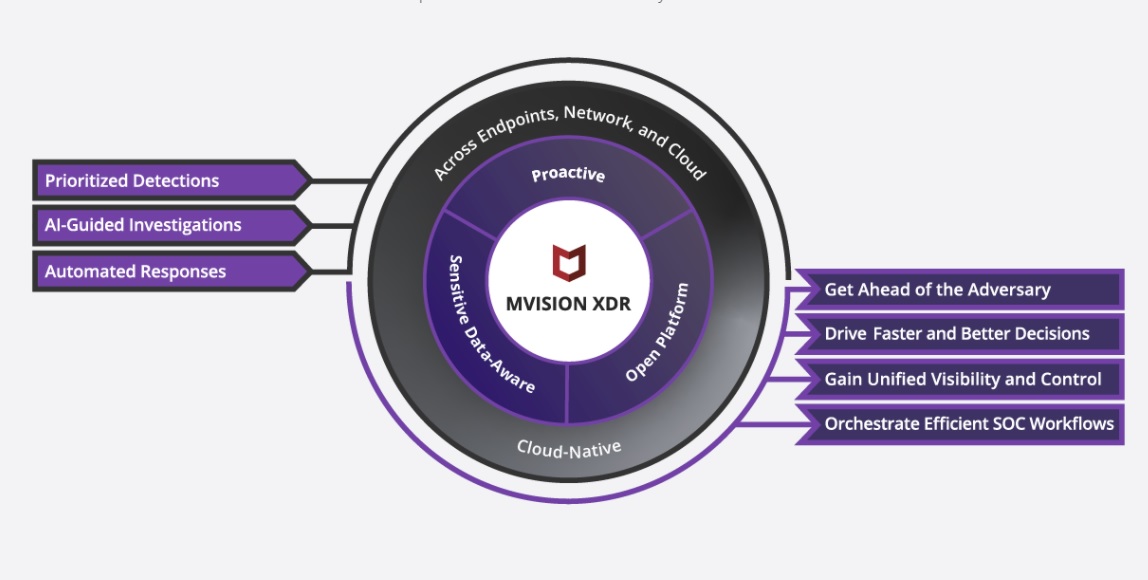
McAfee’s MVISION XDR takes security beyond the endpointNews Cloud-native MVISION XDR tool detects threats and predicts countermeasures before a system is compromised
-
PC-forged malware swamps iOS and AndroidNews Intel Security reveals scale and scope of malware targeting mobile devices
-

Mobile banking apps a risk for securityNews Alongside macro and fileless malware, mobile banking poses the biggest risk in 2016
-

Mobile malware research teams bag £3m funding boostNews University researchers awarded funds to support efforts in clamping down on mobile malware apps.
-

McAfee warns of NFC malware riskNews McAfee sounds alarm over NFC malware problems.
-

John McAfee claims to have left BelizeNews Anti-virus software pioneer claims to have given Belize police the slip and vows not to give himself up.
-

McAfee reports surge in Android phone and tablet malwareNews Security vendor's report suggests Android users are at increasing risk.