Trump signs order against TikTok and WeChat
ByteDance says it's considering all options in response to ban, which begins in 45 days
TikTok has been officially banned by the US government, after US President Donald Trump signed two executive orders against Chinese apps amid concerns about security, government interference, and a growing trade war.
The orders banning all transactions with the apps will come into effect in 45 days, giving Microsoft a short window in which to buy TikTok from its Chinese owner, ByteDance, which has valued the app at $50bn. The second order targets Tencent's WeChat, a messaging and payments app that's popular in China.
To date, Trump's ire has been directed at TikTok, but the executive order said the threat posed by WeChat was similar, saying the Chinese government could use the app to monitor Chinese nationals visiting the US, pointing to an incident in 2019 when a researcher spotted a leaked database of billions of WeChat messages from around the world. "The United States must take aggressive action against the owner of WeChat to protect our national security," the order reads.
Tencent said it was "reviewing the executive order to get a full understanding," according to Reuters. The company's shares fell 10% in Hong Kong after the news was revealed.
The order against TikTok says the video clip app threatens national security via the information it collects on users, saying the "risks are real". TikTok said it was "shocked" by the order, according to the BBC, and would "pursue all remedies available," suggesting legal action may ensue.
"TikTok automatically captures vast swaths of information from its users, including Internet and other network activity information such as location data and browsing and search histories," the order signed by Trump reads. "This data collection threatens to allow the Chinese Communist Party access to Americans’ personal and proprietary information — potentially allowing China to track the locations of federal employees and contractors, build dossiers of personal information for blackmail, and conduct corporate espionage."
TikTok has repeatedly said it does not share user information with the Chinese government.
Sign up today and you will receive a free copy of our Future Focus 2026 report - the leading resource for IT decision-maker insight on priorities and investment areas in AI, security and more.
The order also accuses TikTok of censoring politically sensitive material, specifically around the ongoing protests in Hong Kong and the treatment of the Muslim Uyghur population, and of spreading disinformation about the coronavirus pandemic.
Last year, it was accused of censoring videos about Tiananmen Square and Tibetan independence, and more recently the app was said to be suppressing posts about Black Lives Matter, though the company claimed that was a technical glitch. Ironically, Twitter and Facebook this week removed posts of a video shared by Trump that incorrectly claimed children are "almost immune" from COVID.
Though expected, the move will further worsen the relationship between the US and China. A Chinese foreign ministry spokesperson told reporters: "The US is using national security as an excuse and using state power to oppress non-American businesses. That’s just a hegemonic practice. China is firmly opposed to that." A wide range of American-made apps, such as WhatsApp and Instagram, have long been banned in China.
Freelance journalist Nicole Kobie first started writing for ITPro in 2007, with bylines in New Scientist, Wired, PC Pro and many more.
Nicole the author of a book about the history of technology, The Long History of the Future.
-
TfL takes Oyster photocard systems offline following breachNews Security experts warn the Oyster photocard breach could lead to follow-up attacks on victims
-
Irish credit unions hit by data breach after IT provider compromisedNews Wellington IT reportedly delayed alerting customers by multiple weeks
-
Trump considers clemency for Silk Road kingpin Ross UlbrichtNews Ulbricht was originally given life without parole
-
Trump's election defeat isn't going to get Huawei back in the UKOpinion The UK's decision to drop the Chinese firm from 5G networks was largely based on its competence
-
The IT Pro Podcast: What does Joe Biden have in store for tech?IT Pro Podcast The president-elect faces a tough term ahead of him, and tech policy is sure to be on the agenda
-
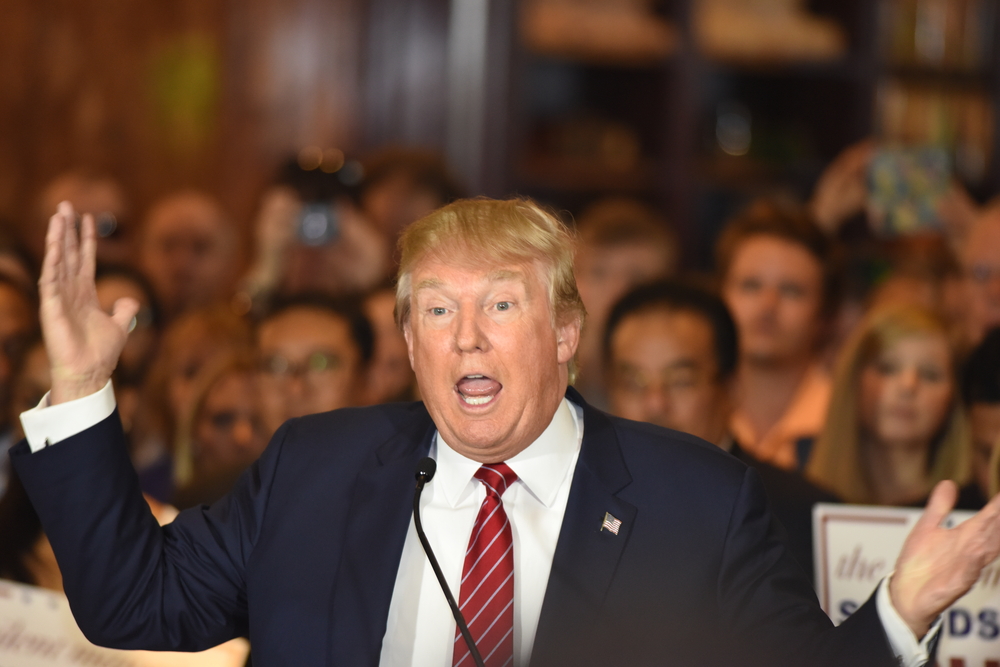
Politicians need to stop talking about technologyOpinion Half-baked political technobabble isn’t just embarrassing, it’s a sign of policy failure
-
The IT Pro Podcast: Beating Trump on techIT Pro Podcast With Bernie and Biden still slugging it out for the Democratic nomination, what impact will the US election have on tech?
-
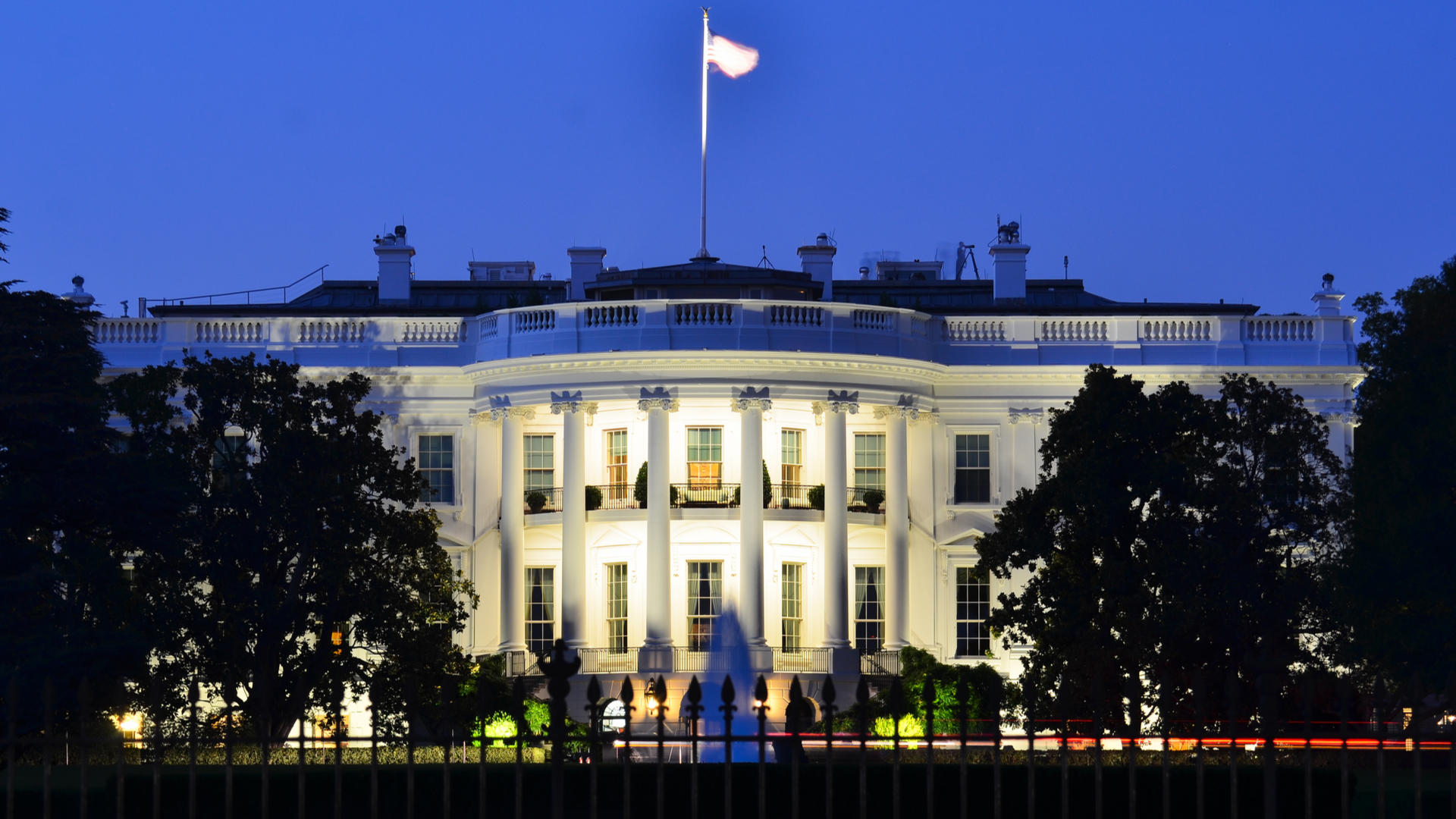
Google asks the White House to return its apps to Huawei devicesNews Huawei smartphones have been devoid of Google apps like Gmail and Google Docs since mid-2019
-
What has Donald Trump done for the tech industry so far?In-depth Trump’s tenure in the Oval Office has been turbulent for technology
-
Tim Cook disagrees with Donald Trump’s response to Charlottesville: “Hate is a cancer”News Apple’s Tim Cook said there is no moral equivalence between white supremacists and those that oppose them