Dell working on mood-reading software
Dell is developing software capable of identifying the current mood of the user
Dell Research is developing new software that can monitor the emotional state of someone wearing one of their brain activity headsets, the BBC reports.
The news comes from the head of Dell's new research and development division, Jai Menon, who explained the mood-reading technology is being designed for use both at home and in the office.
Two researchers are currently working on developing the technology, with the team determining whether their existing headsets can give a consistently reliable reading of what the wearer is feeling.
Jai Menon said of the research: "If I can sense the user is working hard on a task, an intuitive computer system might then reduce distractions, such as allowing incoming phone calls to go directly to voicemail and not letting the user be disturbed.
"Similarly, if they've been concentrating [for] a long time, maybe it could suggest a break," he added.
Dell's current brain activity headsets cost between 60 and 120. Brain monitoring hardware is primarily used to help people with severe disabilities interact with computers or wheelchairs, though it is being developed for wider use with this software and other projects like it.
Other examples of this technology, such as Moodscope from Microsoft, which determines the user's mood by looking at smartphone use, are also being worked on. IBM is reportedly testing the capabilities of its own brain-monitoring devices.
Sign up today and you will receive a free copy of our Future Focus 2026 report - the leading resource for IT decision-maker insight on priorities and investment areas in AI, security and more.
Experts such as human-computer interaction expert Dr Bernie Hogan from the University of Oxford, have expressed some scepticism about the project.
"I think the potential for these things is astronomical, but we've been told this technology has been five years away for decades," he said.
Menon has admitted that the technology currently only predicts the emotional state of the wearer around 50 per cent of the time, though has assured that this figure is set to dramatically increase in the near future.
"We're trying to push the accuracy of our software into the 90 per cent or better range, and if we can get there then the product starts to make sense."
Research into the potential impact of wearable technology on the workplace indicated that it could significantly improve employee productivity. In the results published in the Human Cloud at Work report, it showed that employee productivity was boosted by 8.5 per cent and job satisfaction by 3.5 per cent.
An app for Google Glass wearers that allowed them to take photos and videos and post them online using just their minds was recently unveiled by London-based firm This Place, using a Neurosky EEG biosensor to translate brain activity into action.
Founder and CEO of This Place, Dusan Hamlin, said: "Google Glass is one of the world's most recognisable and popular pieces of wearable technology, but after getting our hands on it, the challenge of connecting it to brainwaves was one we could not resist."
Caroline has been writing about technology for more than a decade, switching between consumer smart home news and reviews and in-depth B2B industry coverage. In addition to her work for IT Pro and Cloud Pro, she has contributed to a number of titles including Expert Reviews, TechRadar, The Week and many more. She is currently the smart home editor across Future Publishing's homes titles.
You can get in touch with Caroline via email at caroline.preece@futurenet.com.
-
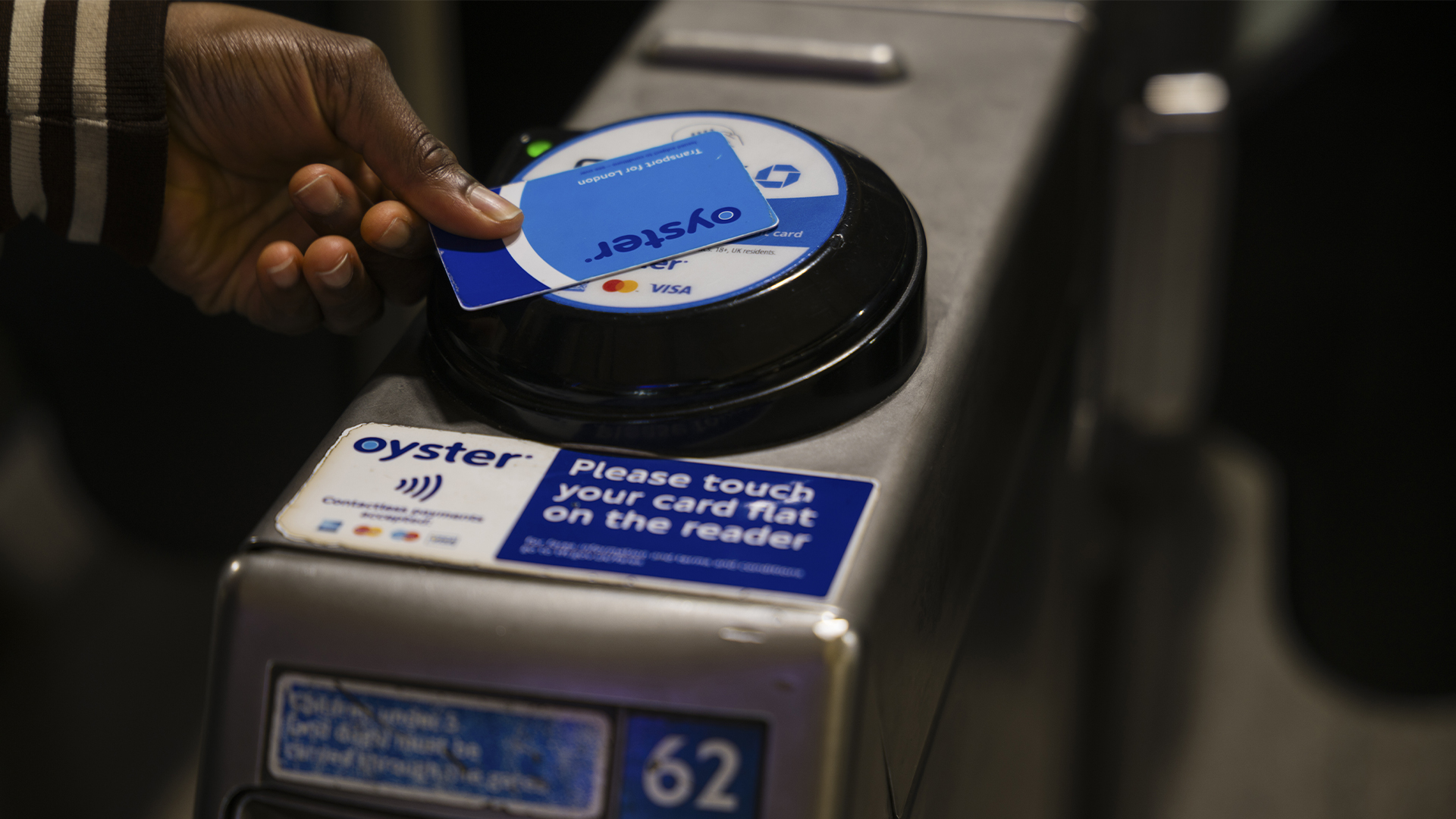
TfL takes Oyster photocard systems offline following breachNews Security experts warn the Oyster photocard breach could lead to follow-up attacks on victims
-
Irish credit unions hit by data breach after IT provider compromisedNews Wellington IT reportedly delayed alerting customers by multiple weeks
-

SPECIAL EDITION: Future-proofing the modern enterprise in an AI-centered worldSponsored podcast The Global Chief Technology Officer and Chief AI Officer of Dell Technologies, John Roese, discusses the Modern Enterprise Readiness Report and how businesses can close the execution gap.
-
5 cyber resilience questions every IT leader should ask during Cybersecurity Awareness MonthSponsored Cybersecurity Awareness Month is a good opportunity for IT leaders to ask a simple question: could my business actually recover from a serious cyberattack?
-
One platform, four enterprise AI data challenges solved: Inside Dell AI Data PlatformSponsored Your production AI will only be as good as the data it uses. Here’s how to get your data ready.
-

Flexibility is a huge advantage for small businesses adopting AI, but clear strategy and bold leadership is criticalNews While small businesses continue warming to AI, Dell research shows they need to capitalize on inherent flexibility to drive adoption
-
Moving from Pilot to Profit: 9 Top Takeaways on the ROI of Dell AI Factory with NVIDIASponsored
-
5 key reasons on-premises generative AI outperforms the public cloud (and saves up to 63%)Sponsored Public cloud AI can be more expensive than you think
-
Beyond "agent washing": how to build AI systems that actually deliver ROISponsored Dell Technologies CTO and CAIO explains where enterprise AI is heading
-
How InstaDeep improved its R&D and smoothed processes with Dell AI Factory with NVIDIASponsored Read the case study of how manufacturing firm InstaDeep boosted its business processes with Dell Technologies.