ISPs asked to hunt down pirates
Record labels lean on broadband providers to identify illegal downloaders.
Broadband providers, including Virgin, BT, BSkyB and Talk Talk, have been asked by the record industry trade body BPI to create a database of customers who illegally download digital entertainment content.
Our customers' rights always come first
According to a report in the Guardian, the information could be used to disconnect or prosecute persistent offenders.
The BPI has allegedly been working with the British Video Association to negotiate with ISPs on what action to take on piracy.
The decision to carry out direct talks has apparently been sparked by the fact the Digital Economy Act, which was created to combat piracy, will not come into force until 2014 at the earliest and possibly after the 2015 general election. This is despite the Bill being voted into law three years ago.
Any collaboration would be a voluntary one and there is no obligation on broadband providers to join any alliance.
However, should they choose to do so, it will operate a three strikes' policy, with three warning letters being sent out initially before preventative measures - such as site blocking and broadband speed throttling - are used.
If these actions fail to deter the downloader, prosecution would be sought.
Sign up today and you will receive a free copy of our Future Focus 2026 report - the leading resource for IT decision-maker insight on priorities and investment areas in AI, security and more.
The plan is not as straightforward as it may seem, as concerns have been raised that the creation of the initial database recording to whom letters had been sent to and any further action that had been taken could be in breach of the Data Protection Act.
This is because companies are only allowed to store customer data for commercial purposes under current legislation.
The reactions to the BPI's proposals from ISPs themselves, according to statements in the Guardian, have been lukewarm.
A spokesperson for Virgin Media described the current proposal as "unworkable". Talk Talk meanwhile said it would like to reach a voluntary agreement.
"However our customers' rights always come first and we would never agree to anything that could compromise them," a spokesperson added.
Jane McCallion is Managing Editor of ITPro and ChannelPro, specializing in data centers, enterprise IT infrastructure, and cybersecurity. Before becoming Managing Editor, she held the role of Deputy Editor and, prior to that, Features Editor, managing a pool of freelance and internal writers, while continuing to specialize in enterprise IT infrastructure, and business strategy.
Prior to joining ITPro, Jane was a freelance business journalist writing as both Jane McCallion and Jane Bordenave for titles such as European CEO, World Finance, and Business Excellence Magazine.
-
TfL takes Oyster photocard systems offline following breachNews Security experts warn the Oyster photocard breach could lead to follow-up attacks on victims
-

Irish credit unions hit by data breach after IT provider compromisedNews Wellington IT reportedly delayed alerting customers by multiple weeks
-

India’s new data protection bill continues to “facilitate state surveillance”News Although data localisation requirements have now been removed, it’s down to the Indian government to select which countries data is allowed to be sent to
-

EU might force tech giants to share data with smaller rivalsNews The Digital Services Act draft also suggests that firms may be banned from giving their own services preferential treatment
-

UK signs 'historic' data deal with JapanNews The provisional agreement contains digital and data provisions that go far beyond the deal signed between Japan and the EU, gov claims
-

TikTok to open first European data centre in IrelandNews The move could signify a desire to shift its operations away from the US as well as secure its position in the European market
-

Liberty defeated in ‘snooper’s charter’ legal challengeNews High court rules the government’s Investigatory Powers Act doesn’t breach human rights
-
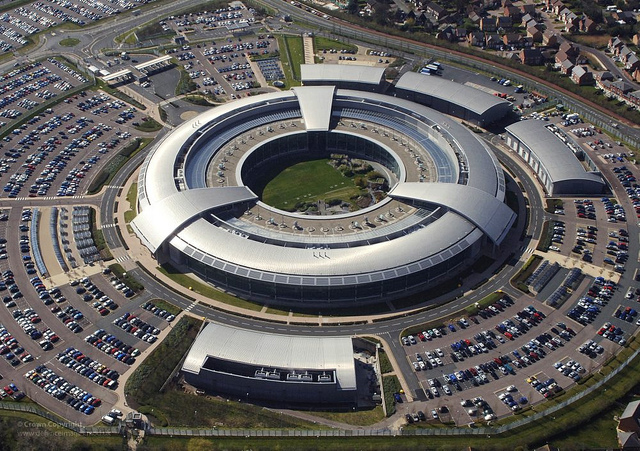
GCHQ’s mass data collection practices breached human rights law, European court rulesNews Surveillance methods disclosed by Edward Snowden in 2013 ruled illegal in landmark ruling
-

MPs in a muddle over GDPR and storing voters' personal data
News Labour MP Chris Bryant says his staff were told to delete constituents' data
-

Coalition Against Piracy fights online piracyNews The new coalition, backed by numerous companies, hopes to dismantle the businesses behind pirate streaming boxes