
A wealth of details about managed PCs is available, from the BIOS version to free disk space to what printers are installed. This is handy for planning as well as troubleshooting, but this is all rather hidden deep inside the lower levels of the Computers section when it should really be available under reports along with the software details.
There are gaps in what InTune can do in this first release, although since it's a cloud service, you'll get extra functionality automatically as it's released. Although you can manage Remote Assistance requests from users and subsequently take control of their desktops, you can't use Intune to start a Remote Desktop connection. There aren't as many options as with other remote support and control tools such as LogMeIn, TeamViewer, NetViewer or GoToAssist, although they don't have the management tools that are part of InTune either.
The software inventory discovers the full range of software installed on PCs and identifies it from a knowledge base that Microsoft maintains. Unfortunately the only licences you can manage are Microsoft licences and few small businesses run entirely on Microsoft software. This is an issue the Intune team is looking at; even if a future version allows multi-vendor licence details it's unlikely every licence is going to be in a format Intune would understand. Even being able to enter licence agreements by hand would be a useful way of putting it all in one place for reporting.

-
 “Enterprises are becoming much more rigorous about the economics of AI”: Snowflake wants to help you cut AI costs by choosing the right model for the right task
News New dynamic model routing capabilities aim to help customers box clever when it comes to their AI model choice
-
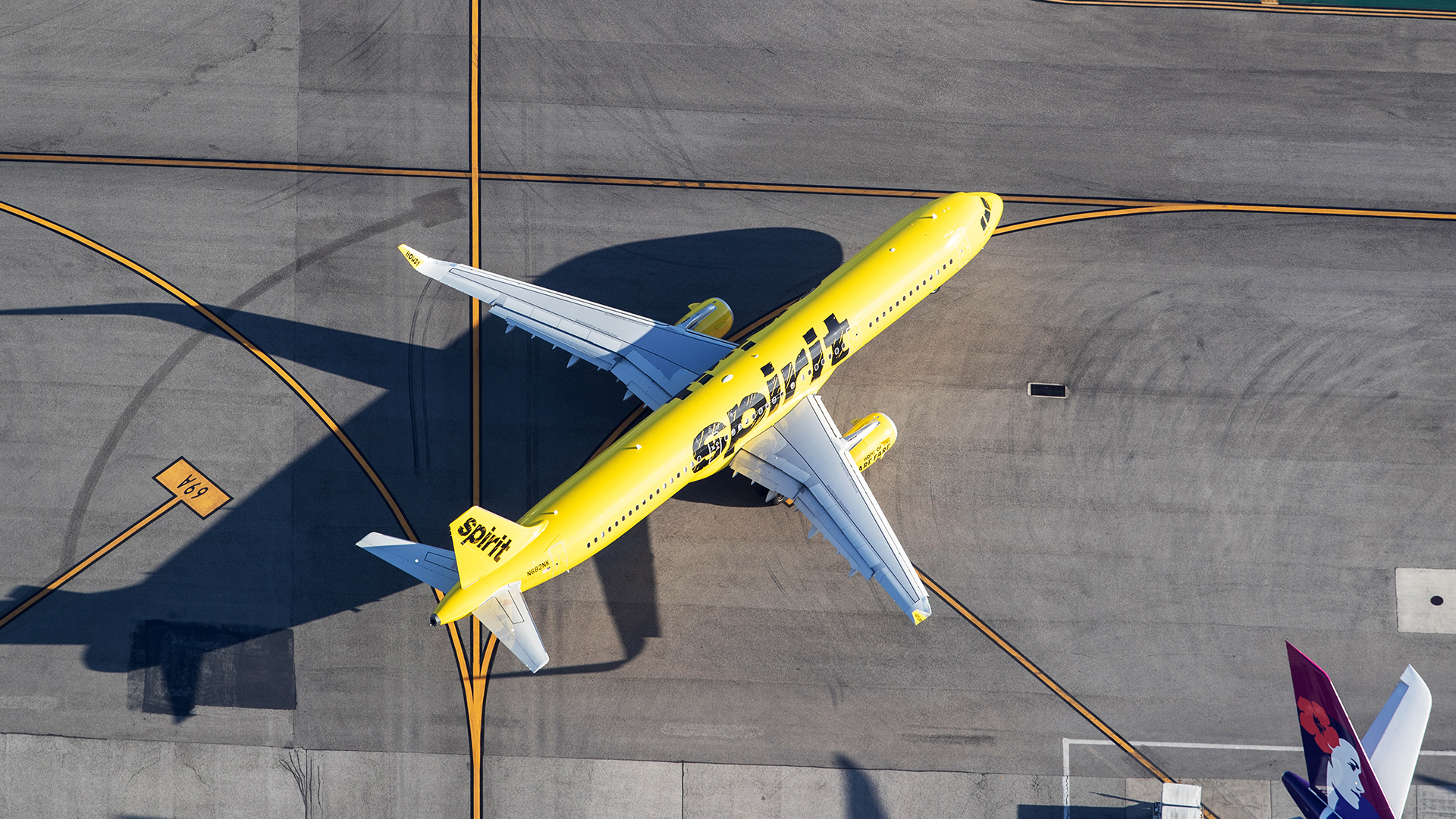 Google just spent $10 million in an auction for Spirit Airlines data – 100 million emails, 500 million Microsoft Teams chats, and 30 million lines of code will be used to improve AI models and products
News AI developers are struggling to find enough data to train their models, sparking a bidding war for failed Spirit Airlines deidentified data
-
 Hacker claims to have stolen millions of Azure customer records from McDonald’s, Vodafone, Kyndryl, and others – here's what we know so far
News TheHatman claims the data has been stolen from the victims' Azure and Entra tenants using compromised credentials


