Microsoft Excel is still alive and kicking at 40 – and it's surging in popularity as 82% of finance professionals report ‘emotional attachment’ to the spreadsheet software
A recent survey found Gen Z and Millennial finance professionals have a strong “emotional attachment” to Microsoft Excel


-
 Neocloud market set for brutal consolidation, Elon Musk warns
News As SpaceX secures $40 billion in funding, Musk reckons that AI compute companies need outside revenue to survive
-
 AI is crucial to infrastructure and IT operations but only if it's done right, Gartner report says
News Report suggests there are five AI trends worth adopting if firms want to improve operational efficiency with AI and optimize costs


-
 Microsoft pulls plug on Essex data center development over power supply
News Planned development in Loughton was set to deliver 50 MW of AI capacity and create 250 permanent jobs
-
 Forward deployed engineers are big tech’s latest gambit to drive AI adoption
News With Microsoft and AWS placing their faith in forward deployed engineers, enterprises will gain a helping hand with tricky AI adoption projects
-
 Why is Windows 11 so disliked by programmers – and can Microsoft do anything to change things?
In-depth Windows isn't the most useful OS in the eyes of developers, with programmers preferring macOS or Linux. But is its bad reputation uncalled for?
-
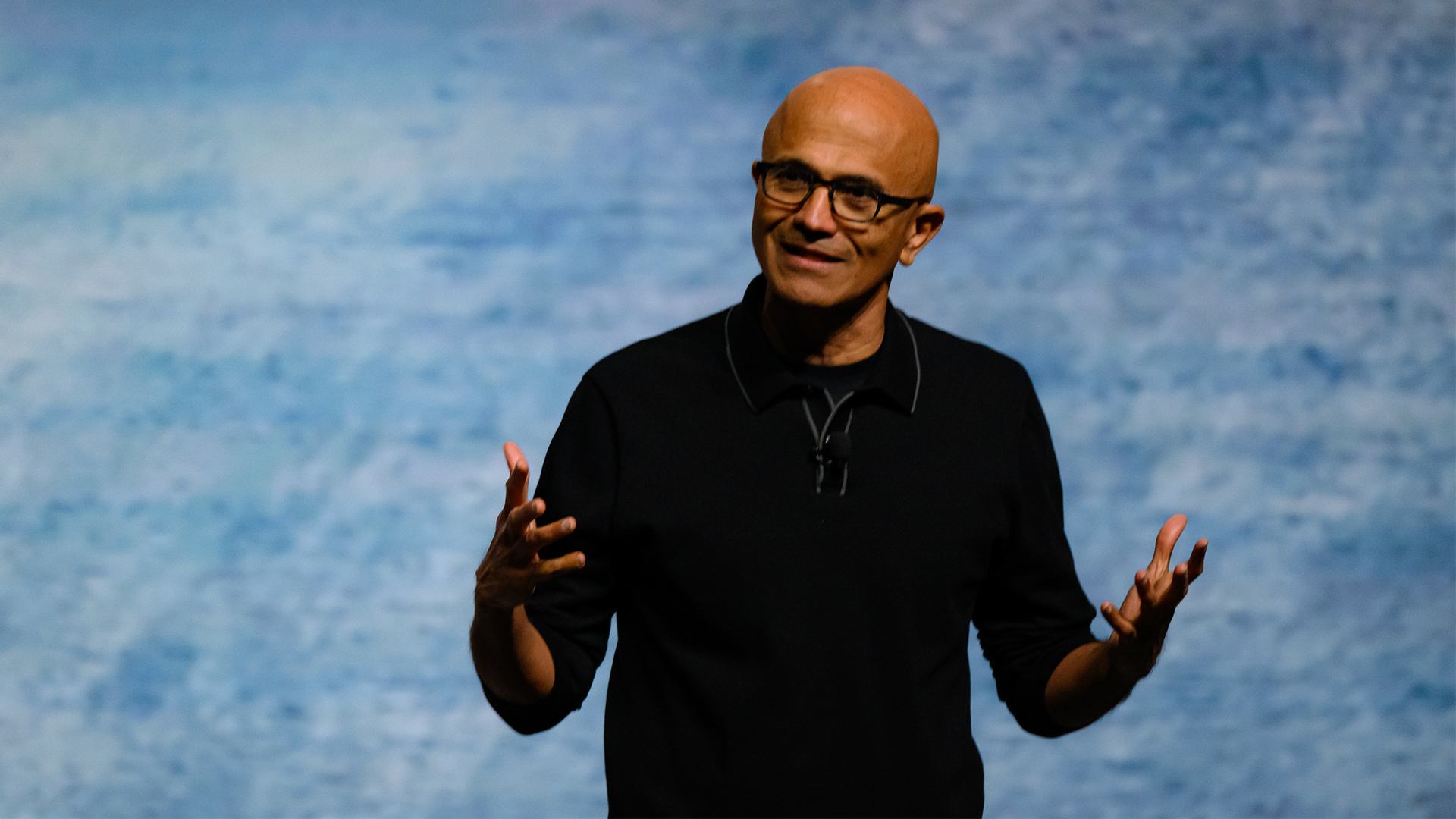 'We are focused on fundamentals, prioritizing quality, and serving our core users better': Satya Nadella teases big Windows improvements – and changes could come this year
News Satya Nadella told analysts that Microsoft is doing “foundational work to win back fans” across Windows, Xbox, Bing, and Edge
-
 Microsoft pats itself on the back over European commitments
News The company says it's been working to boost the bloc's digital sovereignty and resilience
-
 Microsoft touts “cost effective” cloud PC prices for small businesses as hardware prices spike
News The tech giant is targeting small business gains with a 20% cut for Windows 365 Cloud PC services
-
 IT admins are scrambling for alternatives in the wake of Microsoft’s MDT retirement
News OS deployment is up in the air after Microsoft's MDT retirement – but the time to take action is now
-
 CMA launches Microsoft probe amid software licensing concerns
News The regulator hopes to “ensure a level playing field” when it comes to competition in the business software market


