
-
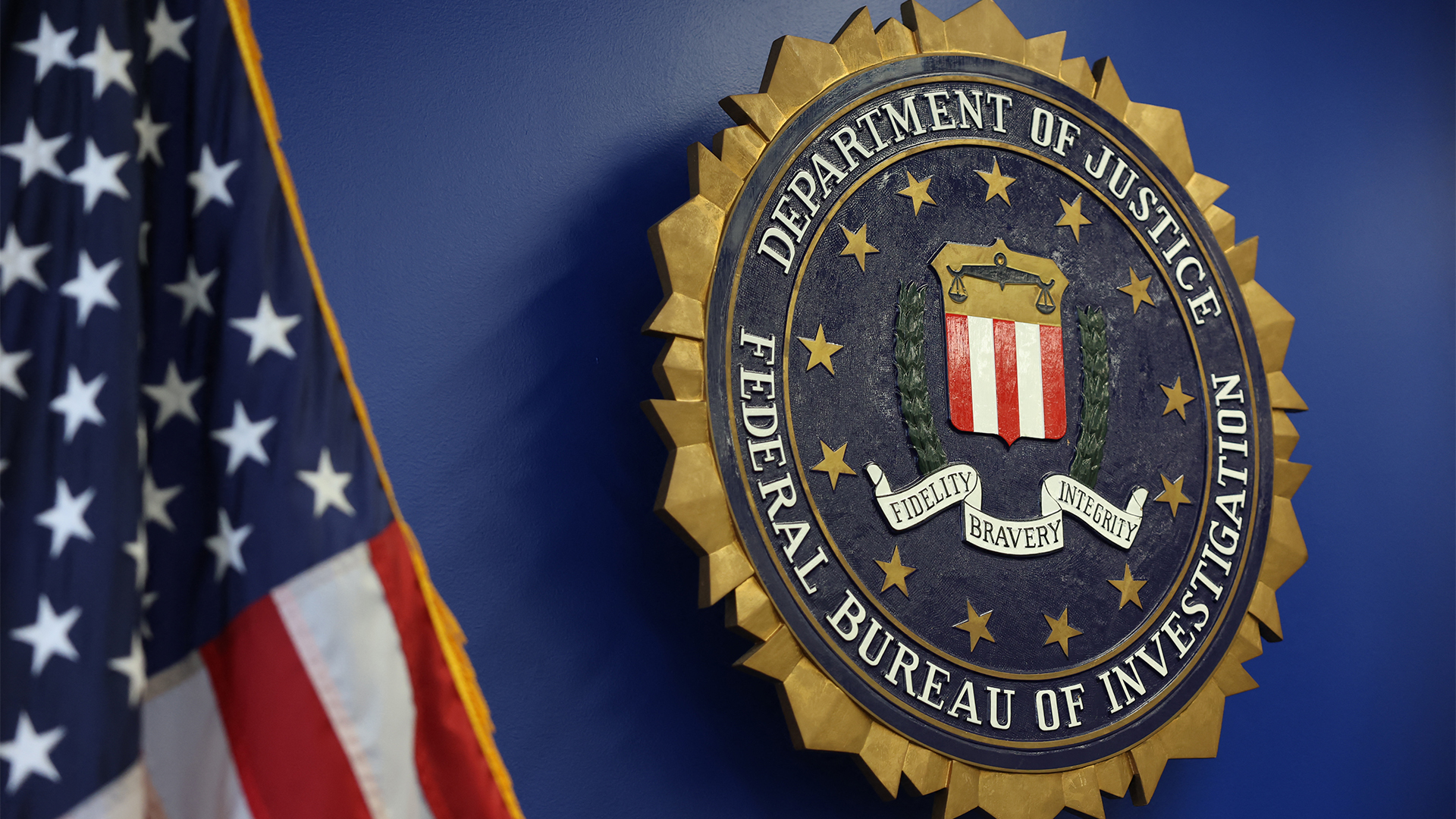 Cyber experts warn FBI breach could have serious real world consequences
News ShinyHunters has threatened to publish compromised FBI data after an advisory rubbed the group the wrong way
-
 Huawei is positioning itself as a viable alternative to big US tech companies. Can it pull it off?
Opinion With Nvidia and AMD excluded from the Chinese AI market, Huawei is building a powerful reputation at home and abroad


-
 UK workers are shockingly relaxed about selling access to company systems
News Research from UK fraud prevention service Cifas shows that insider fraud is rife
-
 "Consumer messaging apps were never designed to handle sensitive communications" – Government decision-makers are confused about messaging security, BlackBerry report finds
News Despite official warnings, they're still routinely using WhatsApp for confidential communications
-
 Rethinking fraud prevention: From identity checks to identity signal integrity
Sponsored With new techniques being used by criminals, fraud detection has to move with the times to ensure security
-
 ‘Reducing reliance on foreign tech infrastructure is key’ to European tech success – and its survival
News MEPs have once again called for decreased reliance on foreign tech infrastructure
-
 EU lawmakers want to limit the use of ‘algorithmic management’ systems at work
News All workplace decisions should have human oversight and be transparent, fair, and safe, MEPs insist
-
 European Commission calls for cyber security proposals
News With a special focus on healthcare, the Commission is looking to allocate €145.5 million
-
 Forcing Apple to allow alternative app stores might cause major security risks
Analysis Apple will be forced to allow third-party marketplaces on its devices, but some experts have raised serious security concerns
-
 Why bolstering your security capabilities is critical ahead of NIS2
NIS2 regulations will bolster cyber resilience in key industries as well as improving multi-agency responses to data breaches


