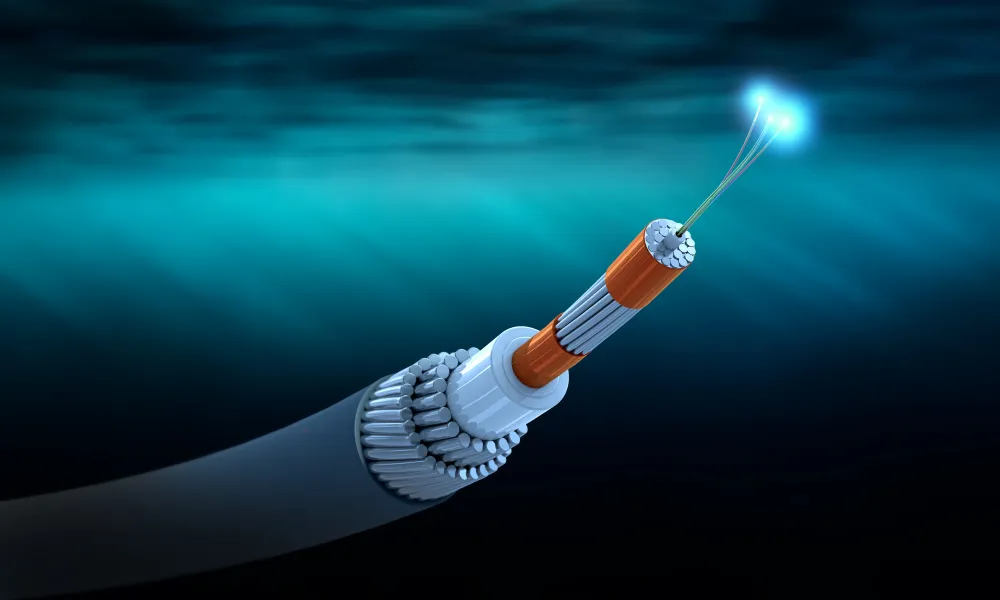
Google-Facebook undersea cable to China cut short by US
FCC has raised concerns over the Dr Penf Group in China and its links to the government's security services
Plans for an underwater data cable between LA and Hong Kong have been scrapped after the US government suggested that China could use it to steal data.
The project is run by the Pacific Light Data Company and includes tech firms like Google and Facebook.
The issue is that the Hong Kong section would have been managed by China's Dr Peng Group, a firm the US government believes has a relationship with the Chinese intelligence and security services.
The project was first announced in 2016. At that time, Google said the cable would "provide enough capacity for Hong Kong to have 80 million concurrent HD video conference calls with Los Angeles". To use the cable, however, companies need permission from the US Federal Communications Commission (FCC).
Around 12,800 km (800 miles) of the cable has already been laid but, according to new plans submitted to the US communication authority, it now only links the US to the Philippines and Taiwan.
"We can confirm that the original application for the PLCN cable system has been withdrawn, and a revised application for the US-Taiwan and US-Philippines portions of the system has been submitted," a spokeswoman for Google told the BBC. "We continue to work through established channels to obtain cable landing licenses for our undersea cables."
FCC Commissioner Geoffery Stark said in a tweet that he "shared the concerns" of the US Department of Justice, adding that he would "continue to speak out" against China accessing data carried by the cables.
Sign up today and you will receive a free copy of our Future Focus 2026 report - the leading resource for IT decision-maker insight on priorities and investment areas in AI, security and more.
Operation of the cable has been caught in the ongoing US-China trade war, which doesn't seem to have an end in sight.
A similar fibre-optic cable has been announced between the UK, US and Spain. The 'Grace Hopper' cable will run from New York and split off to Bilbao in Spain and Cornwall in the UK.
Bobby Hellard is ITPro's Reviews Editor and has worked on CloudPro and ChannelPro since 2018. In his time at ITPro, Bobby has covered stories for all the major technology companies, such as Apple, Microsoft, Amazon and Facebook, and regularly attends industry-leading events such as AWS Re:Invent and Google Cloud Next.
Bobby mainly covers hardware reviews, but you will also recognize him as the face of many of our video reviews of laptops and smartphones.
-
TfL takes Oyster photocard systems offline following breachNews Security experts warn the Oyster photocard breach could lead to follow-up attacks on victims
-

Irish credit unions hit by data breach after IT provider compromisedNews Wellington IT reportedly delayed alerting customers by multiple weeks
-
Cisco wants to capitalize on the ‘DeepSeek effect’News DeepSeek has had a seismic impact, and Cisco thinks it has strengths to help businesses transition to AI-native infrastructure
-

Architecting enterprise networks for the next decadeWhitepaper A new paradigm in network architecture
-

Top six networking trends for 2023Whitepaper By the end of 2023, 20% of organizations will have adopted a NaaS strategy
-

The Total Economic Impact™ of Juniper Networks wired and wireless access drive by Mist AIwhitepaper Cost savings and business benefits enabled by the Juniper Mist Solution
-
Five reasons why Ethernet is better than Wi-FiIn-depth Although Wi-Fi has some advantages, if you’re looking for a fast, reliable network, there’s still nothing better than good old-fashioned cables
-

What's powering Britain’s fibre broadband boom?In-depth Expansion in full-fibre infrastructure and many new providers are making it stupidly cheap to get ultrafast internet connections in all corners of the UK, although the boom might not last
-
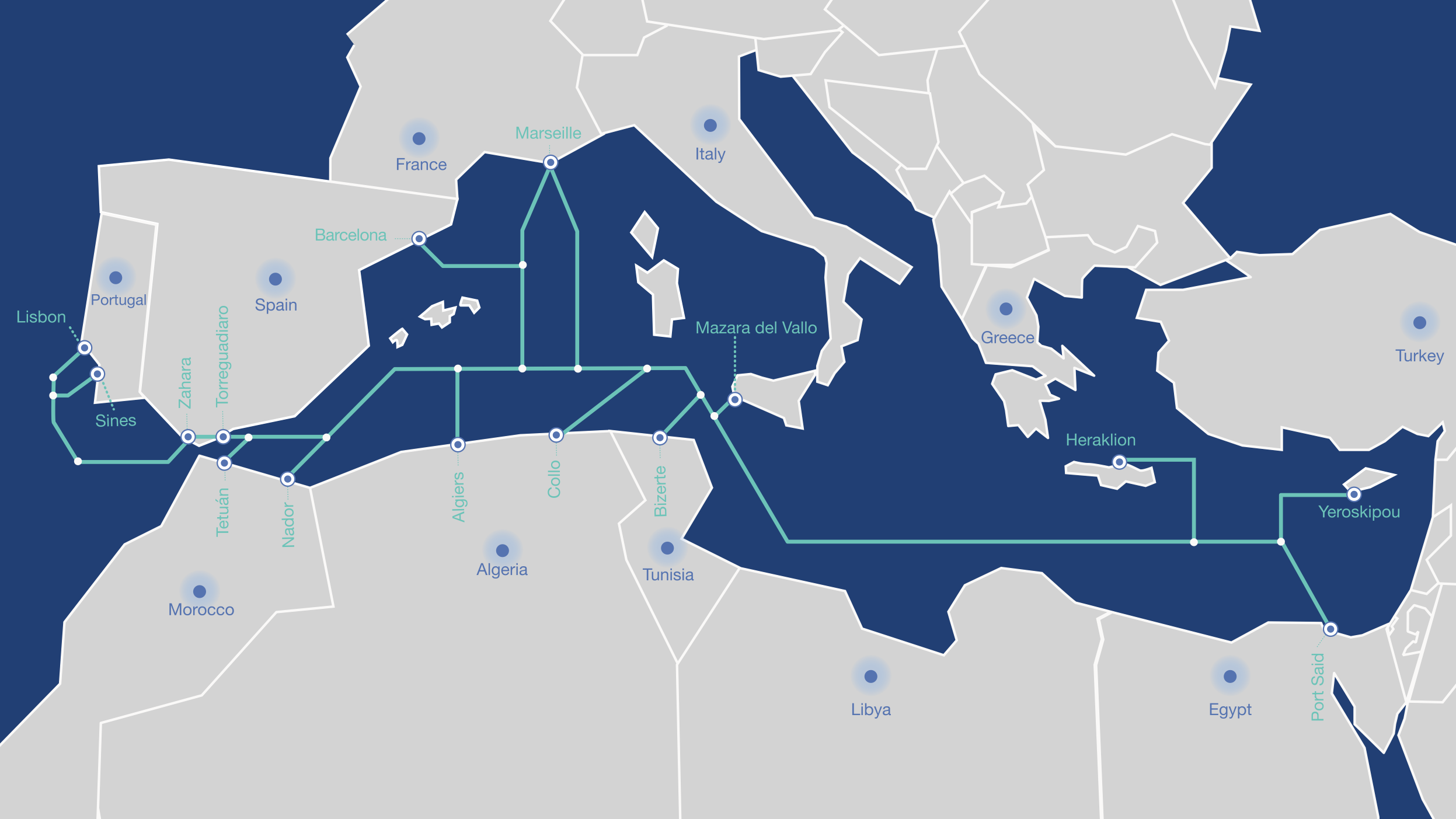
Orange to land Medusa submarine cable in Marseille to boost Mediterranean connectivityNews The French telco will provide one of the 16 landing points the Medusa cable will connect to around the Mediterranean
-
Singtel to build $300 million submarine cable system to link Southeast Asian economiesNews The cable will connect Singapore and Hong Kong SAR with the Philippines, Brunei, and Hainan in China