Databricks unveils agentic Lakewatch SIEM to help security teams tackle growing AI cyber risks
The company says security teams can no longer rely on manual workflows


-
 Anthropic teams up with Akamai in $11.6bn cloud partnership
News The expanded deal will help Anthropic meet “accelerating CPU workload demands”
-
 OpenAI and Anthropic could withhold new AI models from UK's AI Security Institute
News The move marks the second time Anthropic declined to submit a model for testing in the space of a month


-
 Microsoft and Databricks target AI business context gains in partnership expansion
News Deeper integration of Databricks Genie within Azure aims to build more context-aware AI
-
 Databricks appoints Lee Stockwell to lead UK&I public sector strategy
News The former ServiceNow executive will oversee the vendor's public sector AI and data initiatives across the UK and Ireland
-
‘A true vote of confidence’: Databricks announces $850m UK investment as firm looks to quadruple London office footprint
News The move will include the launch of new 137,000-square-foot headquarters in Fitzrovia
-
Databricks wants to train 100,000 people in AI across the UK and Ireland – here's how to get involved
News The company will work with government and academic institutions to bolster AI and data skills
-
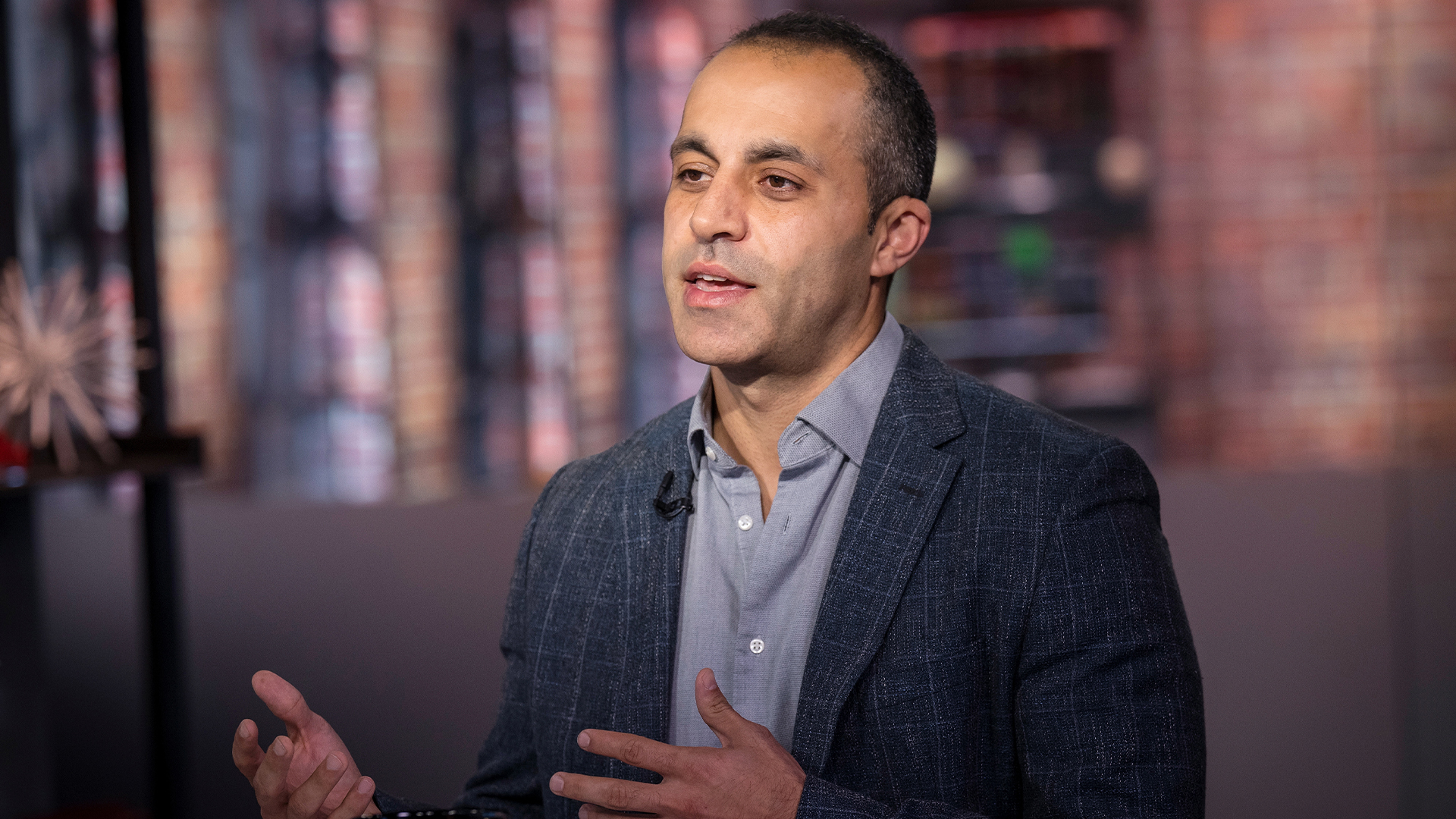 Databricks valuation jumps to over $100 billion amid Series K investment round – here’s how it got there
News The investment round marks the second in the space of a year for Databricks, bringing its valuation to over $100 billion - a 61% increase in the last two years.
-
 Databricks continues EMEA growth drive with double leadership appointment
News Databricks has announced the appointments of Nico Gaviola and Daniel Holz to its senior EMEA leadership team as the firm looks to drive further regional growth


