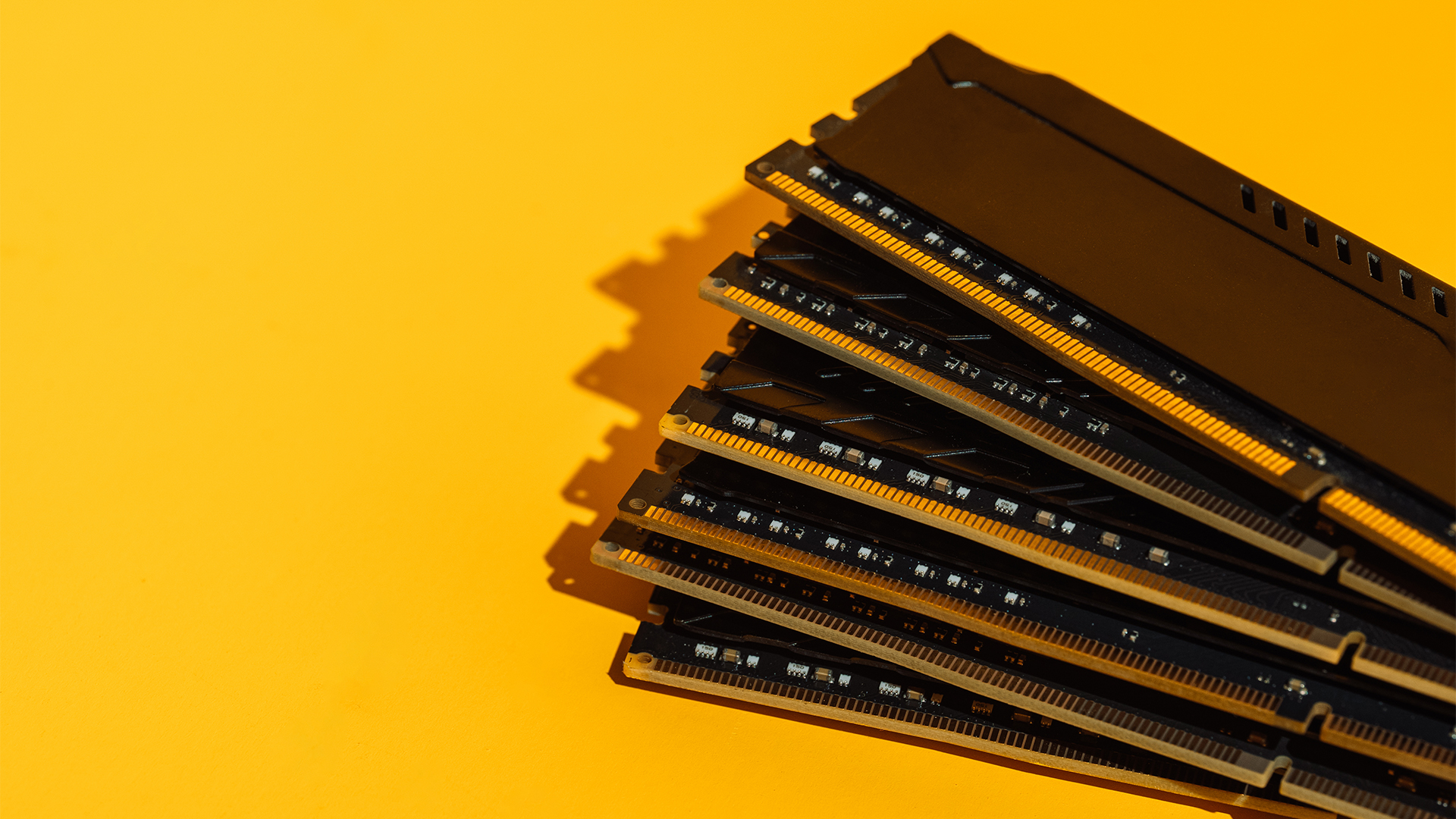
The availability of low-budget devices is set to nosedive over the next year, largely due to surging memory and storage costs, according to research from Omdia.
Analysis from the consultancy projects a 12% decline in global shipments for desktops, notebooks, and workstations across 2026.
This dip comes in direct response to “sharp increases in memory and storage prices”, with Omdia expecting a minimum 60% rise in prices across Q1 this year. The situation shows no sign of improving, either, with additional global price increases and shortages expected.
“Further upward price pressure is anticipated throughout the remaining quarters of the year, though subsequent increases are expected to be more moderate,” Omdia noted.
Since Q1 2025, the cost of memory and storage configurations has risen by anywhere between $90 and $165. This price surge has placed significant pressure on device vendors, with many scrapping promotional campaigns, adjusting device configurations, and raising product prices.
“The impact across PC product categories is expected to be broadly consistent. Desktops are set to decline by 10% to 53.2 million units, while laptops will decline by 12% to 192.2 million units,” the consultancy said.
RAM price hikes could supress demand
For consumers and enterprises at the sharp end of this trend, Omdia said “steep price hikes” are expected over the next year as device vendors shift their focus toward premium range devices, rather than lower-budget options.
A key factor here is that vendors have “less margin room to absorb rising costs” with cheaper devices, according to Ben Yeh, principal analyst at Omdia.
“Consumers in this segment are typically more sensitive to price fluctuations,” he said. “In addition, lower-price-band products often rely on lower-capacity, previous-generation components and receive lower allocation priority while facing the hurdle of some suppliers discontinuing production.”
“Within the limited bit supply PC vendors could obtain, prioritizing premium products will be a preferred strategy to mitigate impacts to business performance,” Yeh added.
Simply put, budget devices will be lower down on the pecking order for manufacturers.
Adding insult to injury, the sharpened focus on premium devices could “further suppress consumer demand”. If this transpires, Omdia said it projects a 15% decline “or potentially worse” in PC shipments worldwide.
Enterprises might take the hit
Across 2026, PC prices below $500 are expected to be hit the hardest, with shipments nosediving by 28% to around 62.1 million units.
Higher-end devices, or those priced at $900 and above, might maintain some degree of “modest growth”, Omdia noted.
A partial reason for this optimistic outlook is the fact that enterprise purchasers are more willing to take financial hits compared to consumers when it comes to device refreshes.
“Beyond the stronger ability of higher price bands to absorb cost increases, we also factored in that some consumers and IT decision makers will accept higher price points to meet essential needs, which will drive an upward shift in the price mix,” Yeh noted.
Holding out for price drops
Omdia’s research is the latest in a string of recent studies warning about the long-term impact of memory cost increases. Last month, Gartner published similar research, noting that device vendors will shift their focus toward premium range models to absorb rising costs.
Notably, the analyst firm warned that consumers and businesses alike could delay device refreshes and purchases as a result of the price hikes.
“Higher prices will narrow the range of devices available, prompting buyers to hold on to devices for longer, fundamentally altering upgrade cycles,” it said.
Gartner anticipates that consumer and business PC lifecycles will be extended as a result, with both trying to get more out of devices before the next refresh. It suggests usage could be stretched by 20% and 15% for consumers and businesses, respectively.
These activities also have downstream implications. While extending device lifetimes may help alleviate some financial strain, it potentially comes with added security risks and could add costs further down the line due to more intensive device management requirements.
FOLLOW US ON SOCIAL MEDIA
Make sure to follow ITPro on Google News to keep tabs on all our latest news, analysis, and reviews.
You can also follow ITPro on LinkedIn, X, Facebook, and BlueSky.


 Agents have hit the mainstream in software engineering
 Nebula appoints Jack Bell as strategic partner acquisition manager

 The memory shortage is hitting PC sales hard, but vendor revenues are still growing at the expense of consumers
 AI demand driving up Apple prices, says Cook
 ‘We want to be able to share the pain with you’: Everpure CEO Charlie Giancarlo says firm will share the burden with customers amid rising hardware costs
 The MacBook Neo is another Apple master stroke, and it couldn’t have come at a better time


