Microsoft says 100% of its global electricity consumption is now matched by renewable energy
The tech giant is among the largest corporate purchasers of renewable energy


-
 What to expect with HPE’s new ProLiant Gen13 servers
News Four new HPE ProLiant Gen13 Servers are designed for enterprise inference and agentic AI
-
 Dell Technologies unveils new AI Data Platform features
News New features for classifying structured and unstructured data could deliver more reliable agentic outputs


-
 Google announces €13 billion infrastructure build-out in burgeoning European data center hub
News Google is capitalizing on the Finnish data center market, with investments in digital and energy infrastructure
-
 Data centers gobbled up 23% of Ireland’s electricity supply in 2025 – nearly as much power as every home in the country combined
News Figures from the Central Statistics Office come amidst rising concerns over the impact of data centers on Ireland's power grid
-
 Energy providers are flying blind thanks to unpredictable AI data center demands
News Research from Capgemini has found that uncertainty, speed constraints, and rising system complexity are leaving firms struggling to predict future consumption
-
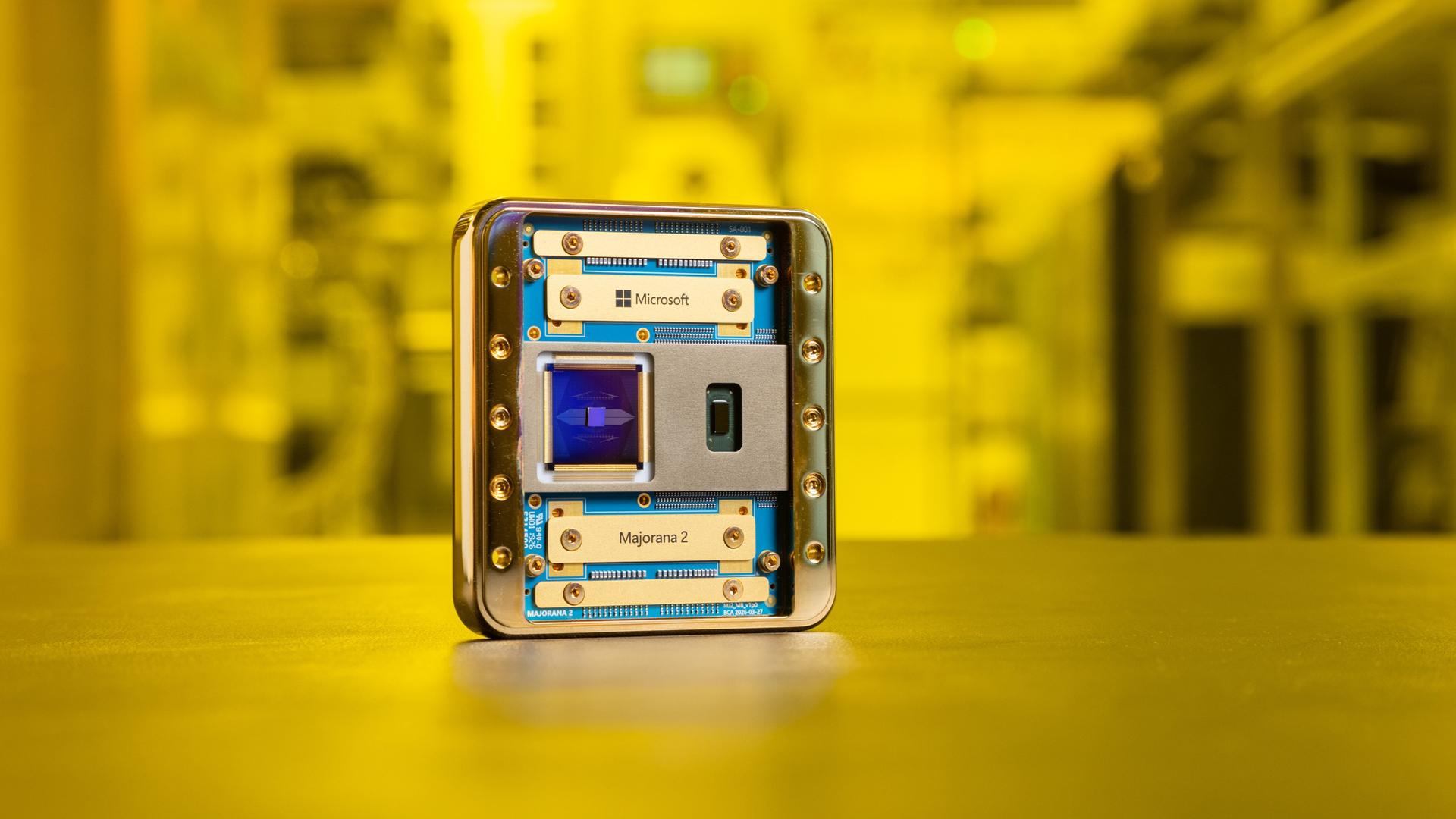 Microsoft says its Majorana 2 chip was built using AI – and it helped deliver huge performance gains
News The Majorana 2 quantum chip was developed with the help of the Microsoft Discovery platform
-
 UK firms ponder offshoring AI workloads as energy costs surge
News A CUDO Compute report confirms power prices are impacting the ability to rollout AI
-
 Has another OpenAI Stargate project hit the rocks?
News Microsoft will be renting capacity in Norwegian data center originally intended for OpenAI
-
 Gas-powered data centers could more than double Microsoft's emissions
News A new report calls for Microsoft to rethink its data centre powering strategy in favour of renewables
-
 Grid constraints are slowing down AWS infrastructure plans across Europe – and research shows it's only going to get worse
News Efforts by AWS to expand data center infrastructure across Europe face severe delays due to sluggish grid connection practices, a senior company figure claims.


