Sam Altman just said what everyone is thinking about AI layoffs
AI layoff claims are overblown and increasingly used as an excuse for “traditional drivers” when implementing job cuts


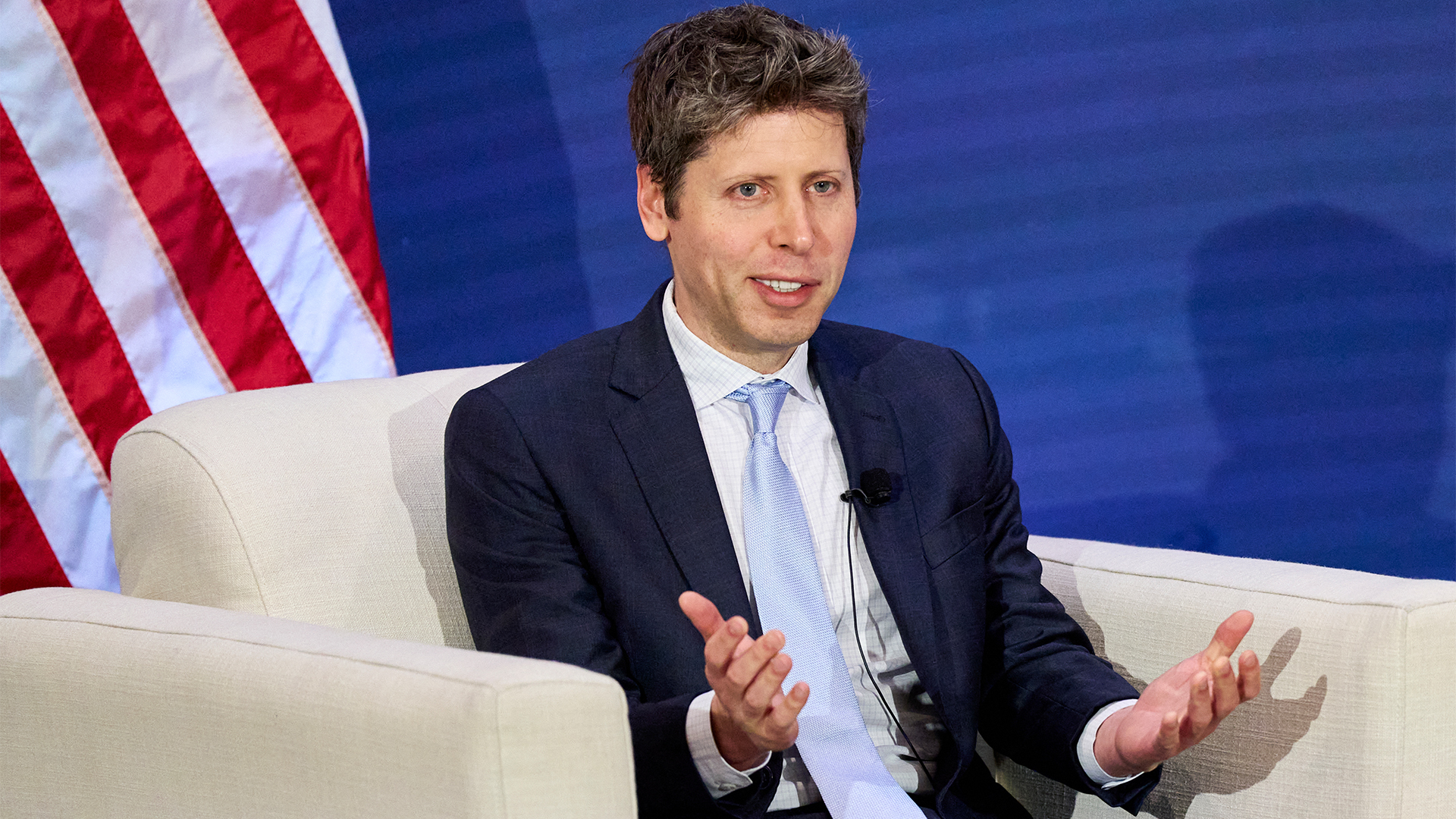
Sam Altman believes a significant portion of AI layoffs aren’t due to the technology taking jobs, but are instead part of an “AI washing” trend gripping the industry.
Speaking during an interview at the AI Impact Summit in New Delhi this week, the OpenAI chief pointed to a growing trend of attributing layoffs to AI when they’re typically due to other business-related factors.
“I don’t know what the exact percentage is, but there’s some AI washing where people are blaming AI for layoffs that they would otherwise do,” he told CNBC-TV18.
This isn’t the first time industry stakeholders questioned the veracity of AI-related layoffs. A study by Oxford Economics in January this year claimed most layoffs are due to “more traditional drivers” such as overhiring or poor financial performance.
Notably, the Oxford Economics report suggested enterprises are now actively using AI as an excuse for layoffs to cover for lackluster financial performance.
"While a rising number of firms are pinning job losses on AI, other more traditional drivers of job layoffs are far more commonly cited,” the report said.
“What's more, we suspect some firms are trying to dress up layoffs as a good news story rather than bad news, such as past over-hiring."
A separate report from Morgan Stanley in January suggested businesses are capitalizing on this trend and using AI as a "license to reduce headcount".
Altman thinks new jobs will come
Altman later acknowledged that AI is having an impact on the jobs market. However, long-term job growth as a result of AI will offset potential losses in the near term.
“There’s some real displacement by AI of different kinds of jobs,” he said. “We’ll find new kinds of jobs as we do with every tech revolution. I would expect that the real impact of AI doing jobs in the next few years will begin to be palpable.”
Altman’s prediction here aligns with research from Gartner and Forrester on the potential impact of AI on the global jobs market. In January, Forrester predicted 10 million jobs could be lost worldwide as enterprise adoption ramps up.

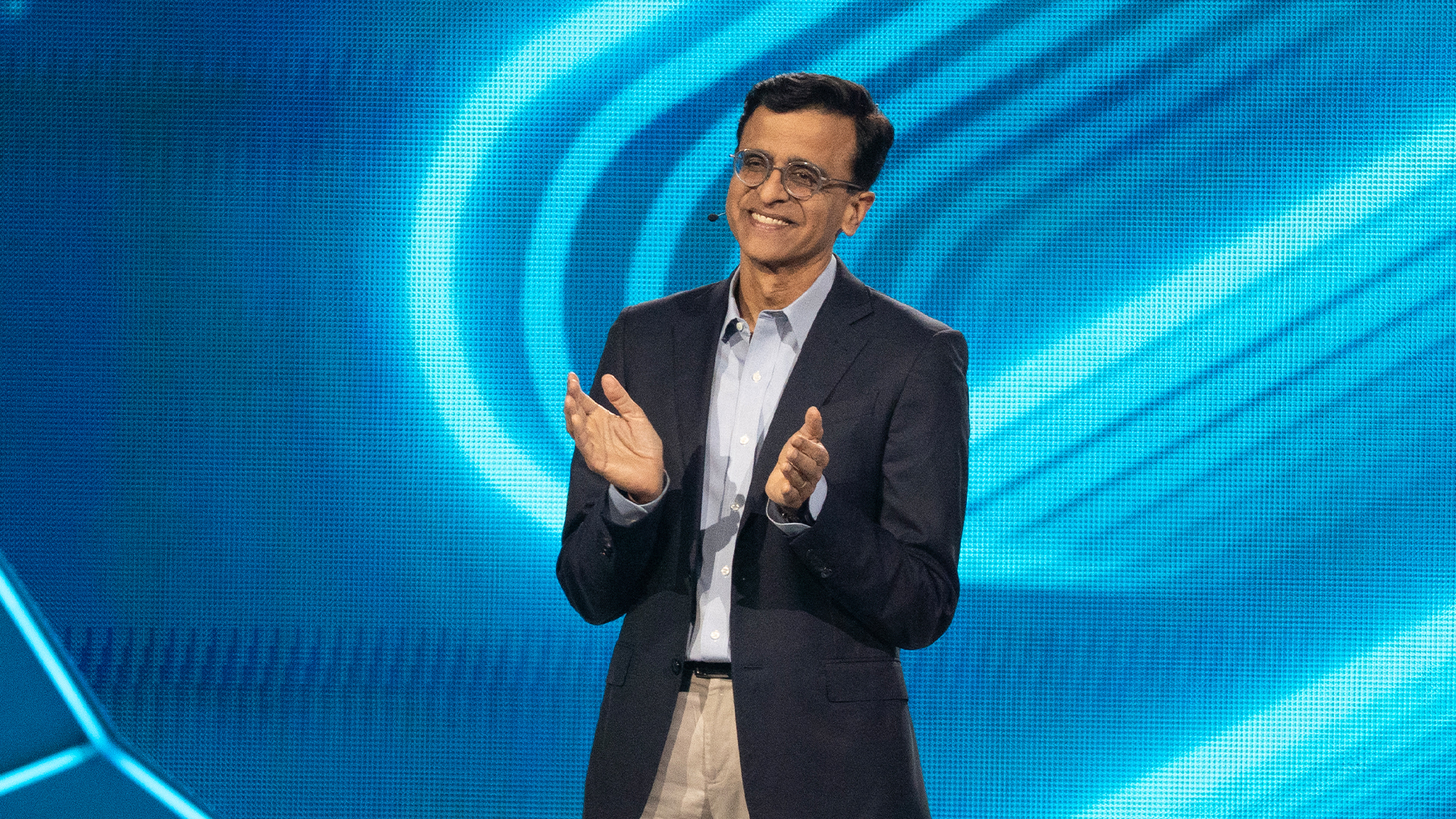
Altman joined industry executives including Anthropic CEO Dario Amodei and Google CEO Sundar Pichai at the AI Impact Summit this week.
The consultancy noted, however, that new roles will eventually take the place of those lost.
Meanwhile, Gartner research last year projected a period of flux across a range of industries due to AI adoption, again pointing to long-term gains in the labor market – albeit with certain caveats.
Analysis from the firm found that around 32 million jobs will be “reconfigured, redesigned, or fused” by AI each year from 2028 onwards.
Simply put, while some jobs will be impacted, enterprises will focus on combining aspects of certain roles, with AI used to support remaining workers.
This all depends on the scale and speed of reskilling efforts across a range of industries, however.
Speaking to ITPro at the time, Helen Poitevin, distinguished VP analyst at Gartner said roughly 150,000 people will require upskilling each day in the coming years to help them adapt.
The scramble to bolster AI skills across an array of industry workforces will be chaotic, she noted, but not an outright “apocalypse” as some critics have suggested.
“Our position is there will be no AI jobs apocalypse, but it will unleash jobs chaos,” Poitevin told ITPro.
White collar work in the crosshairs
Altman’s comments mark the latest in a string of conflicting messages from big tech industry leaders - as well as growing concerns about the impact of AI on “white collar” work.
A recent study from the US National Bureau of Economic Research (NBER) found business leaders have recorded negligible productivity gains from AI adoption, raising questions over the pace of return on investment (ROI).
That study echoes findings from previous research conducted by the Danish National Bureau of Economic Research, which again recorded little-to-no impact on workforce productivity.
Despite a string of studies pointing to the contrary, some tech industry figures still believe that AI will eventually render some workers obsolete.
In a recent interview with the Financial Times, for example, Microsoft AI CEO Mustafa Suleyman insisted AI will begin replacing “white collar” workers within 18 months.
“I think we’re going to have a human-level performance on most if not all professional tasks,” Suleyman told the Financial Times.
“So white collar work where you’re sitting down at a computer, either being a lawyer or an accountant or a project manager or a marketing person, most of those tasks will be fully automated by an AI in the next 12 to 18 months.”
FOLLOW US ON SOCIAL MEDIA
Make sure to follow ITPro on Google News to keep tabs on all our latest news, analysis, and reviews.
You can also follow ITPro on LinkedIn, X, Facebook, and BlueSky.

-
 High performance, low latency, greater efficiency: how the Dell PowerStore 9500 array enhances any modern data center
Whitepaper Scale smarter and eliminate storage bottlenecks without expanding your footprint
-
 16-year-old boy arrested for masterminding KillSec ransomware group
News Police have taken control of KillSec's leak site, securing at least 110 terabytes of data against further unauthorized access


-
 OpenAI won't release next Astra model over safety worries
News AI developer says new agent didn't stay within the scope of tasks
-
 Huawei is positioning itself as a viable alternative to big US tech companies. Can it pull it off?
Opinion With Nvidia and AMD excluded from the Chinese AI market, Huawei is building a powerful reputation at home and abroad
-
 OpenAI says some researchers are blowing through $7,000 in AI tokens every day – but it’s a price the company appears willing to pay
News OpenAI has revealed that researchers now spend around $600 each day on AI tokens amidst a surge in agentic coding. Some, meanwhile, are using upwards of $7,000 worth of tokens per day.
-
 Six things OpenAI learned about AI from the Hugging Face incident
News OpenAI's report into AI going rogue reveals efforts at cheating and communicating — but also some well-behaved bots
-
 “Enterprises are becoming much more rigorous about the economics of AI”: Snowflake wants to help you cut AI costs by choosing the right model for the right task
News New dynamic model routing capabilities aim to help customers box clever when it comes to their AI model choice
-
 OpenAI forges closer ties with IBM in enterprise push
News The duo will combine OpenAI models and products with IBM Consulting expertise
-
 Microsoft has joined the growing list of companies cracking down on ‘tokenmaxxing’
News The company is updating internal guidance to reduce rising costs
-
 AI testing firm Irregular the source of ‘misconfigurations’ that led to Meta, OpenAI, and Anthropic AI incidents
News The “frontier security lab” has been referenced in multiple cyber incident statements


