Sovereign infrastructure spend to triple in Europe as fifth of workloads stay local
Gartner says global spending on sovereign cloud infrastructure will climb 35% over the next year


-
 When your customer falls under NIS2, so do you
Industry Insights NIS2 has broader implications for the channel itself, and partners and MSPs need to understand these before they rush to sell
-
 Quantum threats: What CISOs should do to prepare
In-depth The quantum threat might seem years away, but the risk of ‘harvest now, decrypt later’ attacks is real. Here’s what CISOs should do to prepare...


-
 CIOs wrestle with Europe's new digital sovereignty approach
News Digital sovereignty is front and center for CIOs as organizations target more robust controls
-
 Majority of English data centers use less water than a 'typical leisure center' as operators embrace new cooling methods
News England’s data centers are surprisingly efficient when it comes to water consumption
-
 ‘Too many organizations assume they’re more resilient than they actually are’ – UK firms are facing huge financial losses from IT outages and downtime
News Many organizations are failing to put in place contingencies for IT outages and downtime, research shows
-
 Meta is working on a 5GW data center to supercharge AI infrastructure – and Mark Zuckerberg says one cluster alone ‘covers a significant part of the footprint of Manhattan’
News Mark Zuckerberg detailed plans for a huge infrastructure investment program in a post on Threads earlier this week – here's what you need to know.
-
 So much for data sovereignty — AI infrastructure is dominated by just a handful of countries
News Oxford researchers suggest AI infrastructure will decide a nation's global impact in the future, just as oil production has over the last few decades.
-
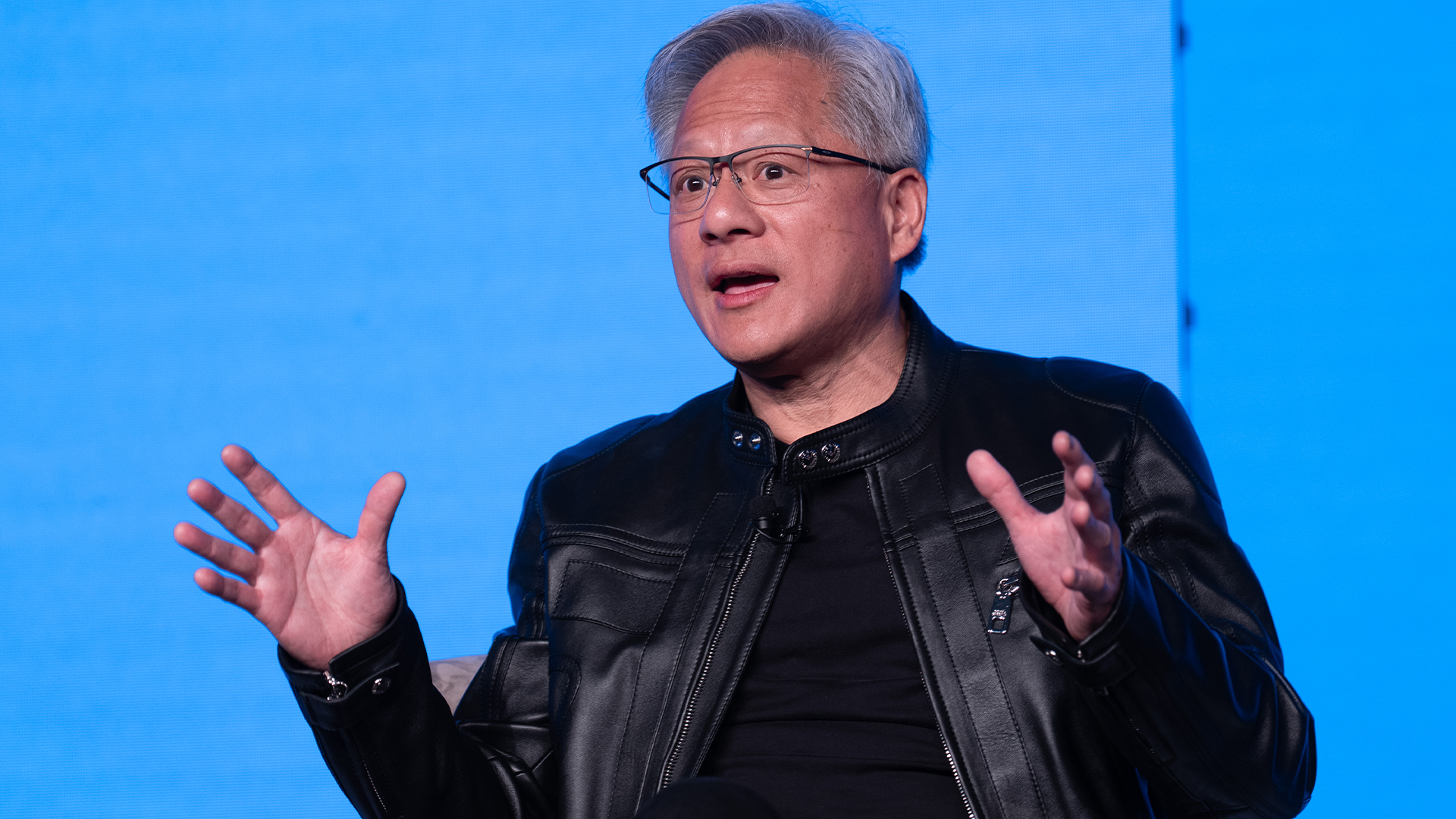 ‘This is the largest AI ecosystem in the world without its own infrastructure’: Jensen Huang thinks the UK has immense AI potential – but it still has a lot of work to do
News The Nvidia chief exec described the UK as a “fantastic place for VCs to invest” but stressed hardware has to expand to reap the benefits
-
 Google shakes off tariff concerns to push on with $75 billion AI spending plans – but analysts warn rising infrastructure costs will send cloud prices sky high
News Google CEO Sundar Pichai has confirmed the company will still spend $75 billion on building out data centers despite economic concerns in the wake of US tariffs.
-
 Cisco wants to capitalize on the ‘DeepSeek effect’
News DeepSeek has had a seismic impact, and Cisco thinks it has strengths to help businesses transition to AI-native infrastructure


