

13/07/2016: Microsoft's free upgrades to its latest operating system, Windows 10, end on 29 July, and it has now confirmed just what it will charge its SMB and enterprise customers.
While consumer users will pay 99 to use Windows 10 Home, or 130 for Windows 10 Pro, prices are somewhat different for business customers hoping to upgrade to Redmond's latest OS.
Microsoft hopes people will rush to download the operating system before its free upgrade offer expires at the end of the month, but most businesses that haven't upgraded yet will not want to speed through the process for the sake of it. Besides, often the free upgrade offer does not apply.
Here we outline the upgrade prices for SMB and enterprise customers, as confirmed by Microsoft.
SMBs (fewer than 250 employees)
A Microsoft spokesman told IT Pro: "For smaller businesses who use Windows Pro then they are also entitled to upgrade for free until 29 July if they are upgrading from Windows 7 Pro or Windows 8/8.1 Pro. After 29 July they would need to purchase the relevant upgrade license via MSFT's Volume Licensing in order to upgrade."
Enterprises (250 or more employees)
Windows 10 Enterprise E3 will cost $7 (5.30) a seat per month from autumn. Confirming the price in a blog post, Microsoft said it will be delivered through its Cloud Solution Provider (CSP) channel.
Yusuf Mehdi, corporate vice president of the Windows and devices group at Microsoft, said: "CSP partners will be able to provide a subscription to Windows 10 Enterprise Edition as part of a managed service offering, which is ideal for businesses who do not have dedicated IT resources or limited IT staff, and want their licensing and IT needs managed by a trusted and experienced partner."
A spokesman said separately: "For enterprises that use Windows Enterprise they will need to buy the relevant enterprise licensing, which they have always had to do."
07/07/2016: Less than a month to go until Windows 10 free upgrades finish
The 29 July cut-off date for free Windows 10 upgrades is fast approaching, and Microsoft has tweaked its notifications strategy accordingly to badger Windows users who've not yet downloaded the new operating system.
Full-screen pop-up notifications now greet Windows users, urging them to upgrade, according to the Telegraph.
The in-your-face pop-up is the result of Microsoft promising to change its notification strategy after users complained that Microsoft was using underhand methods in its bid to add to the 350 million devices now running Windows 10.
Previous notifications did not allow people to decline an upgrade, scheduling one in even when users dismissed the pop-ups by clicking the 'x' in the right-hand corner.
The full-screen pop-up is clearer however, with options 'Remind me later' and 'Upgrade now' appearing in the bottom right-hand corner, and 'Do not notify me again' in the bottom left.
Should I upgrade to Windows 10?
The IT Pro Panel discusses the pros and cons of upgrading to Redmond's final operating system, covering everything you need to know to be able to make an informed decision.
Features
Windows 10 isn't the first time Microsoft has introduced dramatic changes to its operating system.
Windows 8, launched in August 2012, represented the first major overhaul Redmond had ever attempted on its operating system, and it was widely considered a disaster.
Nearly three years since its release, Windows 8 has garnered just 3.6 per cent market share of all desktop operating systems in the world, according to NetMarketShare.
That's less than a third of Windows XP's market share, which stood at 12.8 per cent last month despite support running out in April 2014.
One of Windows 8's major sins, from the perspective of some users, was getting rid of the classic Windows Start Menu, leaving them feeling lost without the familiar interface.
While its alternative a series of app-esque tiles worked well enough on touch devices, it proved less popular on desktops, with users complaining it was too much of a leap from their beloved Start button.
But Windows 10 is repairing the damage by giving users the best of both worlds a Start Menu and a tile interface.
Mike Davis, principal analyst at MSMD Advisors, says: "The stand-out feature is the return of the Start Menu", suggesting there's something in Windows 10 for aficionados of the operating system's predecessors.
"The most desired aspect of the Start button is that you can remove all tiles and make it look like Windows 7 - or even XP - we 'die-hards' like consistency," he said.
But thanks to the tiles, 10 can't be accused of cleaving too tightly to Microsoft's past, either.
While the Start Menu location remains identical to its position in both previous operating systems, the incorporation of 8's Live Tiles provides neat shortcuts to apps like Skype and Weather.
This flexibility should appeal to a broad base of users, from desktop traditionalists to tablet pioneers.
Cortana

There's also Cortana, Microsoft's own version of Apple's voice assistant, Siri.
Named after the AI character from Xbox game Halo, Cortana can manage your diary and search your emails, and is one of the earliest examples of Redmond's focus on machine learning.
But Windows 10 Preview user, and head of operations at sports footwear firm Vivobarefoot, Damian Peat, isn't convinced Cortana is terribly useful yet.
"Cortana as an assistant is still a gimmick for me, although the search functionality is outstanding and I use it constantly," he says.
"Microsoft promises as more people use Cortana it will become much better, and once it is available on multiple devices then this can only improve its functionality."
MSMD's Davis says the voice assistant will appeal to tablet users trying to organise meetings and email one another, but not those in an open-plan office where people can just chat across their desks.
Edge
As part of the overhaul planned for its operating system, Microsoft is making sure Windows 10 launches with a brand new browser to replace Internet Explorer.
Called Microsoft Edge, it is expected to have more in common with Google Chrome or Mozilla Firefox than with its ancestor.
And you can use Cortana with Edge to let her search your email, check out restaurant reviews, maps and then collate the information she deems most useful to present to you, based on your interests.
However attractive this sounds for personal use, though, the University of Dundee's CIO, Paul Saunders, says CIOs must weigh this up against how many older applications they own that remain reliant on IE.
"There are some really promising features in Windows 10, including Hello and Edge, although the need to retain IE for legacy apps will again add to the IT department's growing headache," he says, suggesting a Windows 10 upgrade could lead to more complexity for companies with a fair degree of legacy.
-
 IT leaders are under growing pressure – is the industry at breaking point?
Opinion With cyber attacks, outages, and executive demands putting CIOs under strain, are enterprises doing enough to support their IT leaders?
-
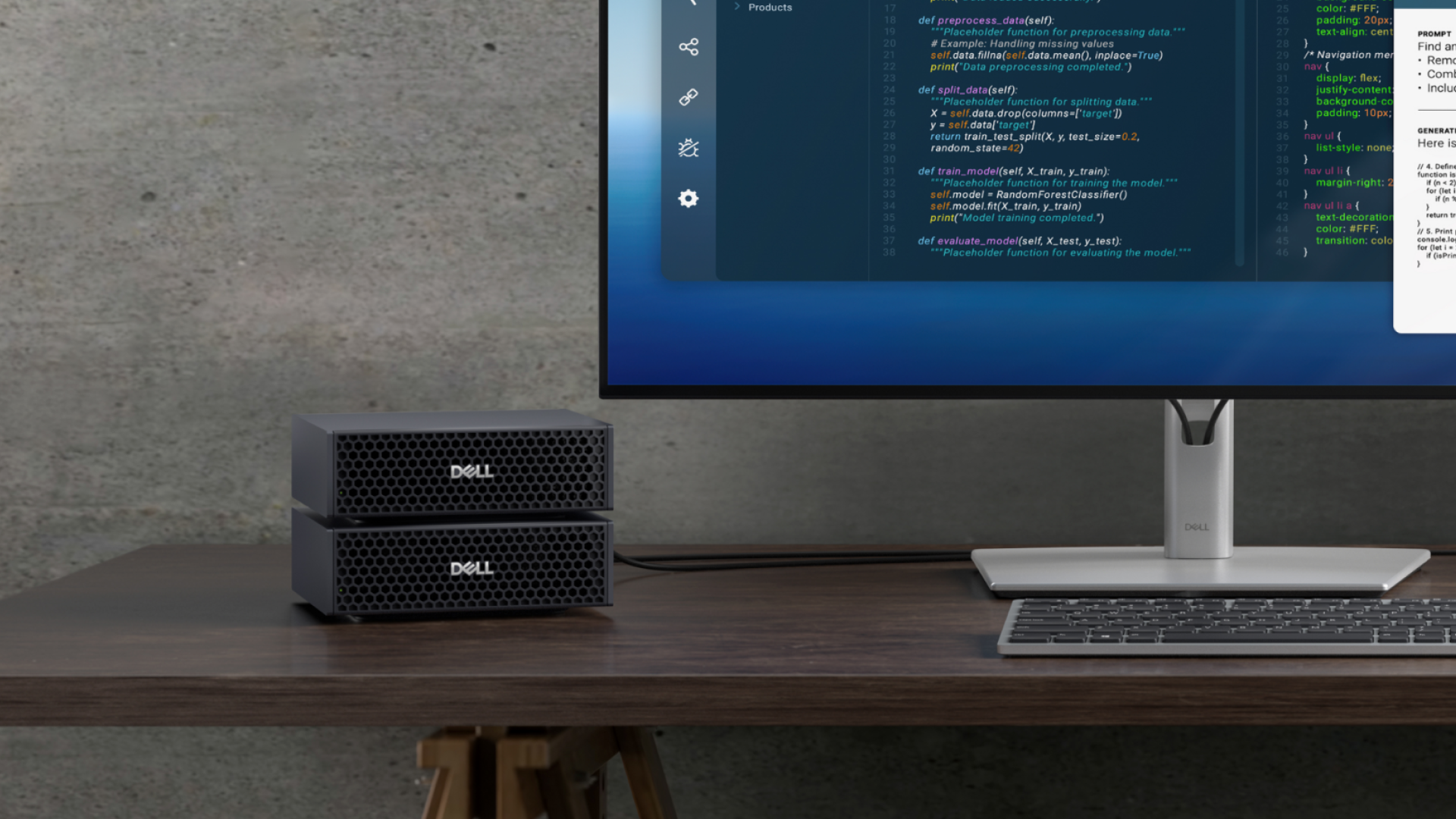 Develop AI in the cloud or locally? Why you need to consider local AI compute
Sponsored Local, deskside agentic AI workstations help AI developers reduce pricey cloud-based API fees


-
 Why is Windows 11 so disliked by programmers – and can Microsoft do anything to change things?
In-depth Windows isn't the most useful OS in the eyes of developers, with programmers preferring macOS or Linux. But is its bad reputation uncalled for?
-
 'We are focused on fundamentals, prioritizing quality, and serving our core users better': Satya Nadella teases big Windows improvements – and changes could come this year
News Satya Nadella told analysts that Microsoft is doing “foundational work to win back fans” across Windows, Xbox, Bing, and Edge
-
 AI is coming to Ubuntu: Canonical exec teases future AI features and agentic workflow capabilities for version 26.10 — but on a ‘strictly opt-in basis’
News A range of new AI features are coming to Ubuntu over the next year, according to maintainers, but only providing they’re of “sufficient maturity and quality”.
-
 Windows 10 end of life could create a major e-waste problem
News The study marks the latest Windows 10 end of life e-waste warning
-
 Windows 10 extended support costs could top $7 billion
News Enterprises sticking with Windows 10 after the October deadline face huge costs
-
 A senior Microsoft exec says future Windows versions will offer more interactive, ‘multimodal’ experiences
News With speculation over a Windows 12 reveal mounting, a senior company figure claims the new operating system will mark a step change for users
-
 Microsoft’s botched August updates wiped SSDs, now it’s breaking PC resets and recoveries on Windows
News An out-of-band patch has been issued by Microsoft to fix a flaw introduced by its August update
-
 The NCSC just urged enterprises to ditch Windows 10 – here’s what you need to know
News The UK cyber agency says those that haven’t migrated to Windows 11 should do so immediately


