

Designed for AI developers, data scientists, and researchers, the Dell Pro Precision with GB10 and Dell Pro Precision with GB300 are built on NVIDIA’s Grace Blackwell architecture, giving enterprises a way to run some AI workloads locally and avoid per-token cloud fees
TL;DR
- Enterprises are adopting a hybrid approach to AI development relying on both cloud and local compute capabilities
- Cloud-based API costs can escalate quickly, but local inference can avoid fees
- Agentic workloads can consume 4x to 15x more tokens than traditional AI applications, so cloud API bills can escalate quickly
- In two-year modeling, the Dell Pro Precision with GB300 cut costs by up to 92% versus a leading frontier API for agentic software development, while the Dell Pro Precision with GB10 cut costs by 93% for knowledge worker agents
AI development strategies are undergoing a period of evolution in 2026. Enterprises are increasingly adopting a hybrid approach to AI workloads, pursuing a combination of public cloud and on-prem inference.
Pursuing a hybrid approach gives enterprises the flexibility to essentially pick and choose where they host workloads, based on specific individual needs. Public cloud, for example, provides a degree of elasticity when it comes to model training and inferencing, which creates huge spikes and can prove costly. Meanwhile, on-premises allows IT leaders to reduce surging token costs.
Interest in local AI is growing across industries and company sizes, with new high-performance workstations such as the Dell Pro Precision with GB10 and GB300 empowering IT teams to run AI models and agents locally without building a data center.
What can the Dell Pro Precision with GB10 and GB300 do?
The Dell Pro Precision with GB10 and Dell Pro Precision with GB300 are both powered by NVIDIA Grace Blackwell chips. Specifically, the Dell Pro Precision with GB10 is powered by the NVIDIA GB10 Grace Blackwell Superchip, while Dell Pro Precision with GB300 uses the NVIDIA GB300 Grace Blackwell Ultra Desktop Superchip. This gives them the performance needed to fine-tuning large language models (LLMs), running inference, and testing AI agents.
As its name suggests, the Dell Pro Precision with GB300 is the more powerful of the two devices, providing users with data center-class development capabilities within a desktop form factor. In fact, the Dell Pro Precision with GB300 is capable of supporting AI models ranging from 120 billion to one trillion parameters, and can run up to 379 agents concurrently. The Dell Pro Precision with GB10, meanwhile, can handle AI models up to 200 billion parameters, and can run up to 26 agents concurrently.
| Row 0 - Cell 0 | Dell Pro Precision with GB10 |
Dell Pro Precision with GB300 |
Model size |
Up to 200 billion parameters |
120 billion to 1 trillion parameters |
Concurrent agents (knowledge worker workload) |
Up to 26 agents |
Up to 379 agents |
Signal65 modeled savings vs leading frontier API (2yrs) |
93% (26 knowledge worker agents) |
92% (132 software development agents) |
Suited to |
Individual developers prototyping and testing agents |
Teams running persistent agent fleets and larger models |
Source: Signal65, The Economics of Agentic AI: Cost Advantages of Dell AI Factory with NVIDIA vs Public Cloud from Pilot to Scale (September 2026)

How can local AI compute reduce token costs for IT leaders?
The Dell Pro Precision with GB10 and Dell Pro Precision with GB300 suit enterprises just starting their AI adoption programs, as well as those maturing in their AI journeys. A key factor is the cost of public cloud-led inference, because agents work in loops, repeatedly calling a model to reach a goal, rather than answering a single query like a traditional chatbot.
Analysis from Signal65 found agentic workloads can consume between 4x to 15x times more tokens than traditional AI applications. Because cloud APIs charge per token, bills can climb quickly, hurting bottom lines and ROI. With the Dell Pro Precision with GB10 and Dell Pro Precision with GB300, users can run agents locally and avoid per-token API charges.
In the Signal65 study, modeled two-year costs were:
- Up to 92% lower than a leading frontier API on the Dell Pro Precision with GB300 for agentic software development with 132 concurrent agents.
- Up to 93% lower than a leading frontier API on the Dell Pro Precision with GB10 for knowledge worker agents, with 26 concurrent agents. For agentic software development, the savings were 82% with two concurrent agents.
Put simply, leveraging these high-performance workstations means enterprises can avoid unpredictable usage fees and secure more predictable spending, helping keep a lid on costs and supporting future development plans.

Does local AI replace the cloud? Why hybrid works
Of course, that’s not to say that enterprises should completely ditch cloud-based inferencing and agentic development processes. The advantage here for IT leaders is that they still retain a degree of flexibility when embarking on AI innovation projects.
Crucially, it also gives them more control over their spending while still offering the ability to scale and expand as projects mature.

How does local AI support privacy and governance?
Security is paramount for organizations embarking on AI adoption and production projects. These systems rely on mission-critical data, meaning they naturally represent a prime target for cyber criminals and state-sponsored threat actors.
Running agents locally gives IT leaders greater control over data, security, and privacy than cloud-based approaches, giving AI developers opportunities to keep sandboxes air-gapped and isolated.
Both the Dell Pro Precision with GB10 and Dell Pro Precision with GB300 agentic AI workstations also support the NVIDIA NemoClaw reference stack and NVIDIA OpenShell, while CrowdStrike Falcon Guard integrates with NVIDIA OpenShell to add visibility and runtime controls for AI agents and applications.
If you’re weighing local against cloud for your AI projects, find out more about Dell’s deskside agentic AI workstations on the Dell website: US readers click here.
FAQs
Is local AI cheaper than the cloud?
It can be for sustained agentic workloads. Cloud APIs charge per token, and agents can use 4x to 15x more tokens than traditional AI applications, so bills climb quickly. In a Signal65 study commissioned by Dell Technologies and NVIDIA, modeled two-year costs on the Dell Pro Precision with GB300 came in up to 92% lower than cloud APIs for agentic software development. Results are modeled and will vary by workload.
Do enterprises have to choose between cloud and local AI?
No. A hybrid approach lets IT teams decide where each workload runs. Spiky demand such as model training suits the public cloud’s elasticity, while steady, always-on agentic work suits local hardware such as the Dell Pro Precision with GB10 and GB300, which can make spending more predictable. The result is cloud flexibility where it’s needed and cost control where it counts.
How does running AI agents locally affect security?
It gives IT leaders more control over where data lives. Because agents run on the workstation, sensitive data can stay on internal systems rather than passing through a cloud service. The Dell Pro Precision with GB10 and GB300 also support the NVIDIA NemoClaw reference stack, with NVIDIA OpenShell running agents in an isolated sandbox, and Dell Trusted Workspace with optional CrowdStrike Falcon adding protection that extends beyond application-level sandboxing.
-
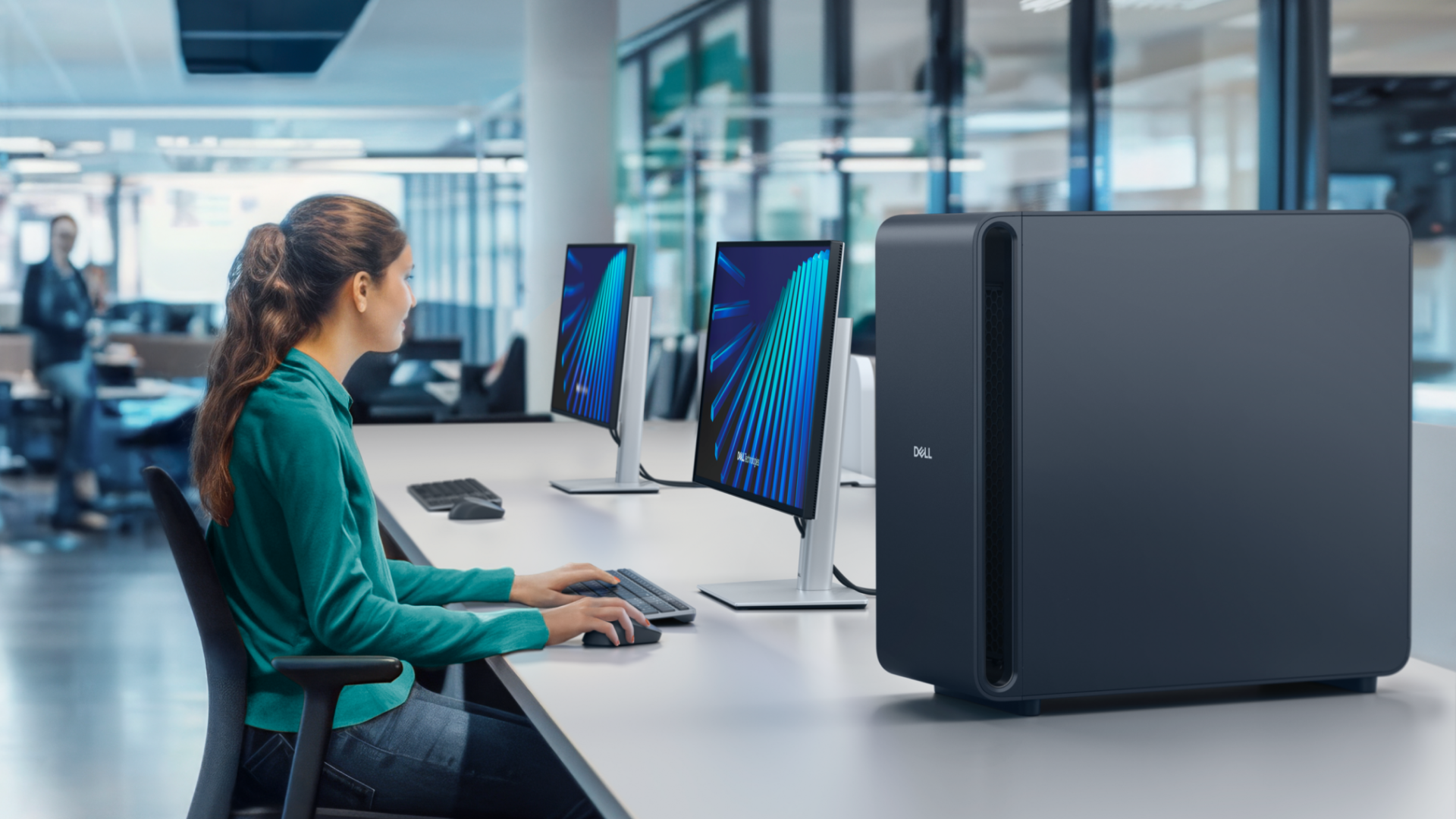 The million-dollar question: How IT leaders are using the Dell Pro Precision with GB300 to move agentic AI workloads out of the cloud
Sponsored Dell’s deskside agentic AI workstations could be the difference between soaring token bills and cost-efficient AI development
-
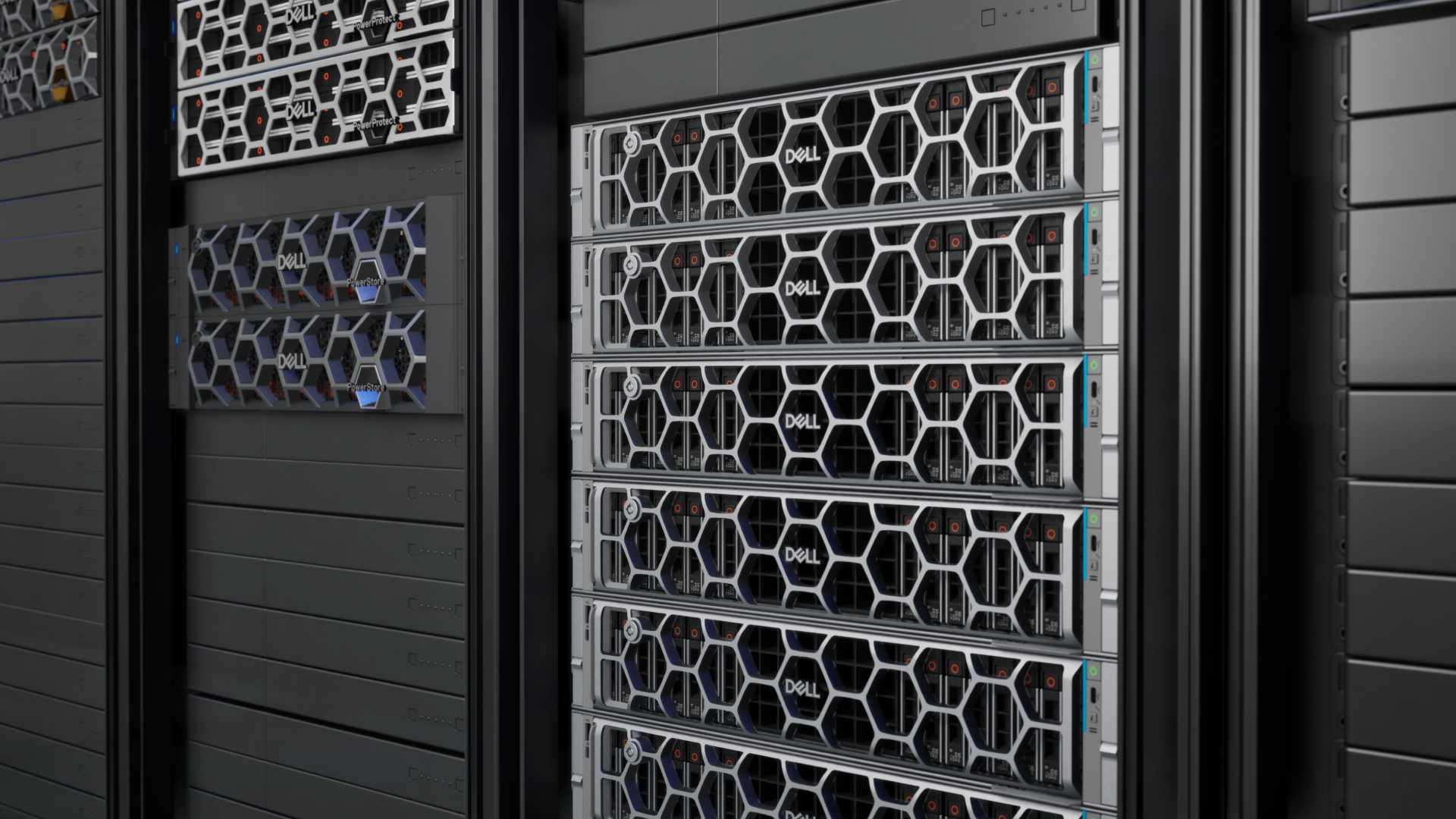 Defending tomorrow: 5 reasons Dell PowerProtect is built for the AI threat era
Sponsored How Dell PowerProtect helps your organization identify suspicious activity and recover with confidence


-
The million-dollar question: How IT leaders are using the Dell Pro Precision with GB300 to move agentic AI workloads out of the cloud
Sponsored Dell’s deskside agentic AI workstations could be the difference between soaring token bills and cost-efficient AI development
-
 Need a fleet of solid Windows business laptops? Modernize with the Dell Pro 3
Sponsored Aging laptops can nix a small business’s efficiency and productivity, but the Dell Pro 3 can help bring you up to date
-
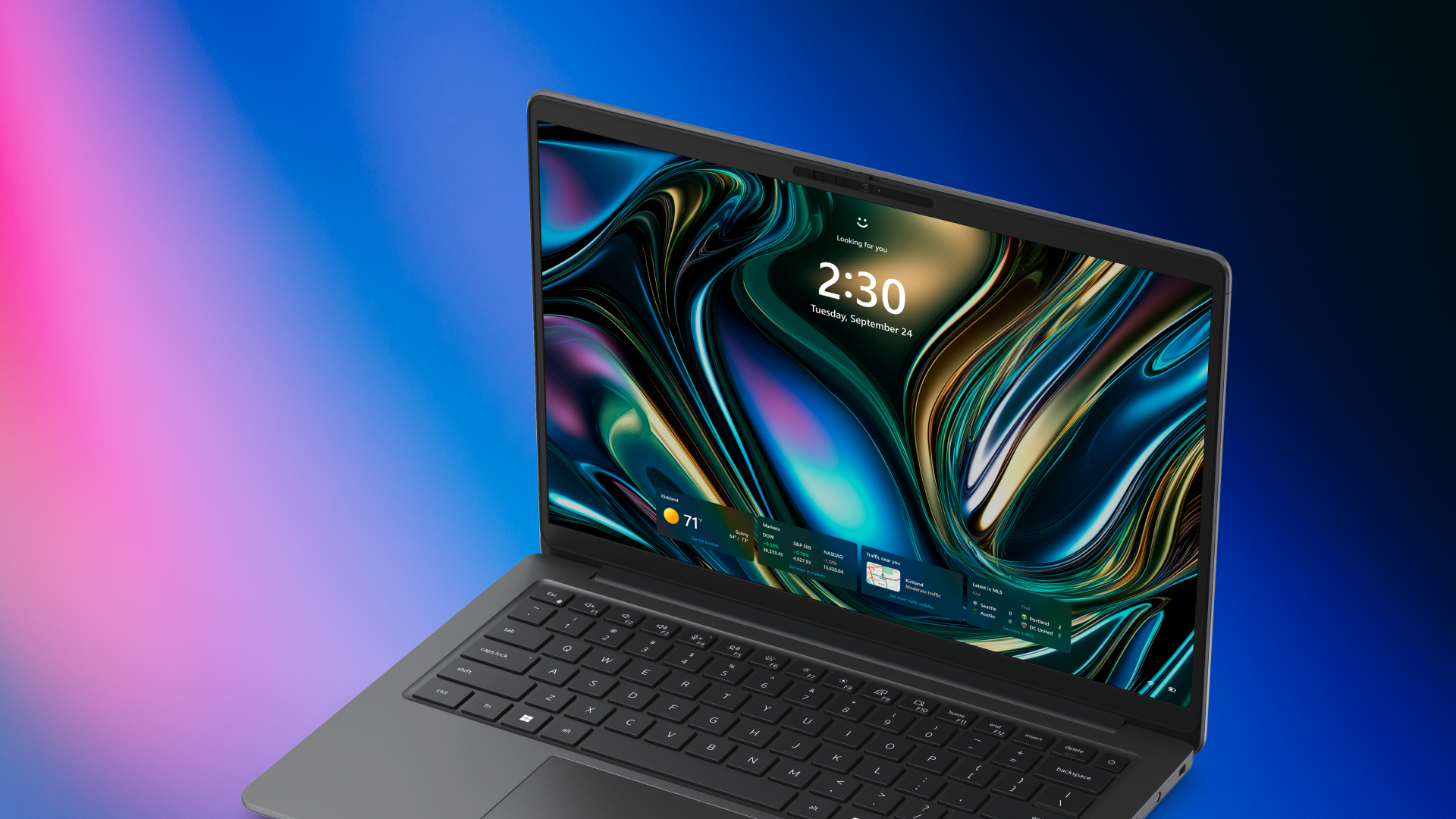 5 features that make the Dell Pro 7 the ultimate travel laptop for business professionals
Sponsored Discover five Dell Pro 7 features for business professionals on the move: lightweight design, privacy display options, premium collaboration tools, battery life, and layered security
-
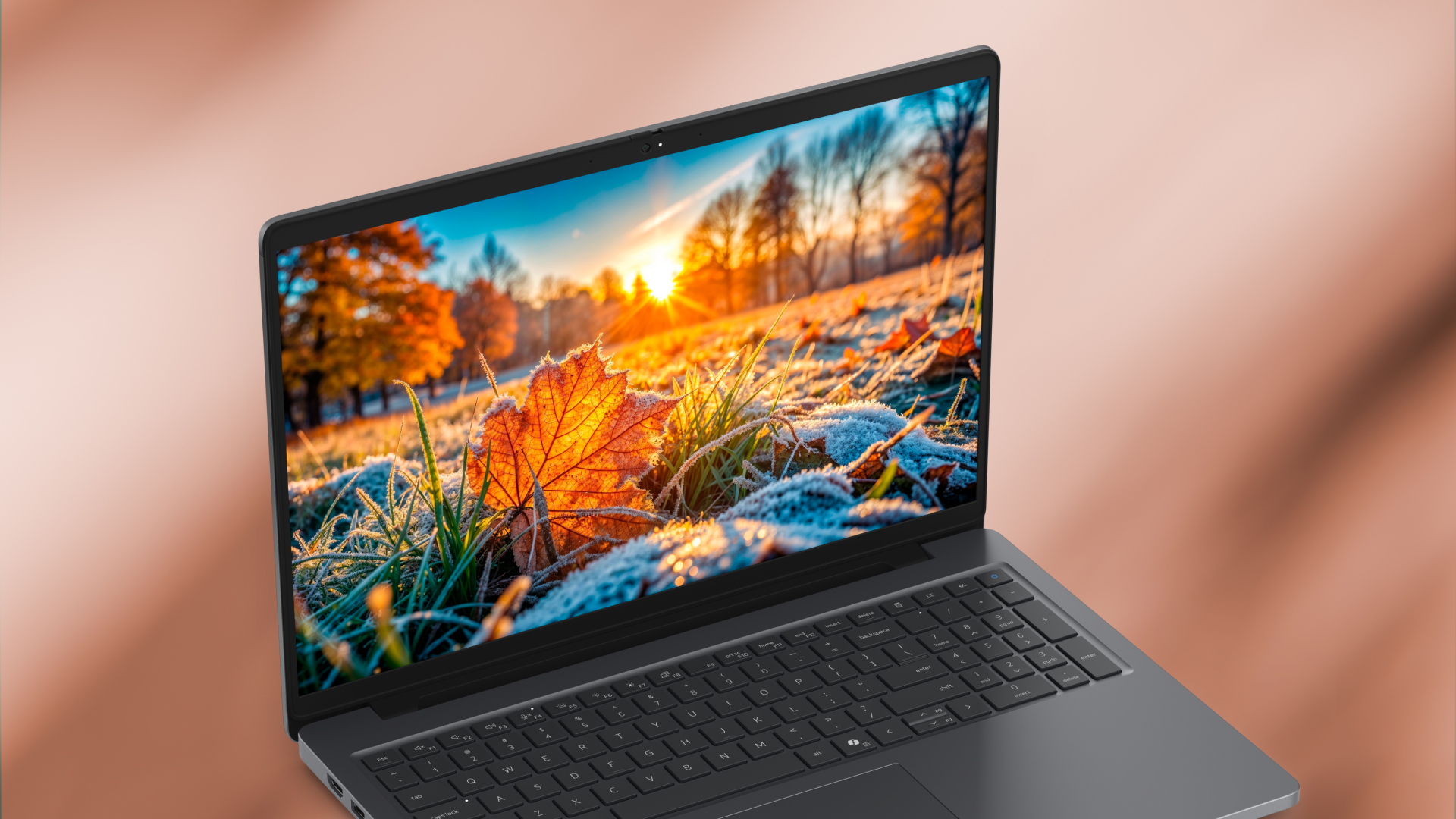 Looking for high-performance business laptops for heavy workloads? The Dell Pro 5 is a serious contender
Sponsored With powerful new AI PCs hitting the market, enterprises face a crucial decision when opting for new workforce devices
-
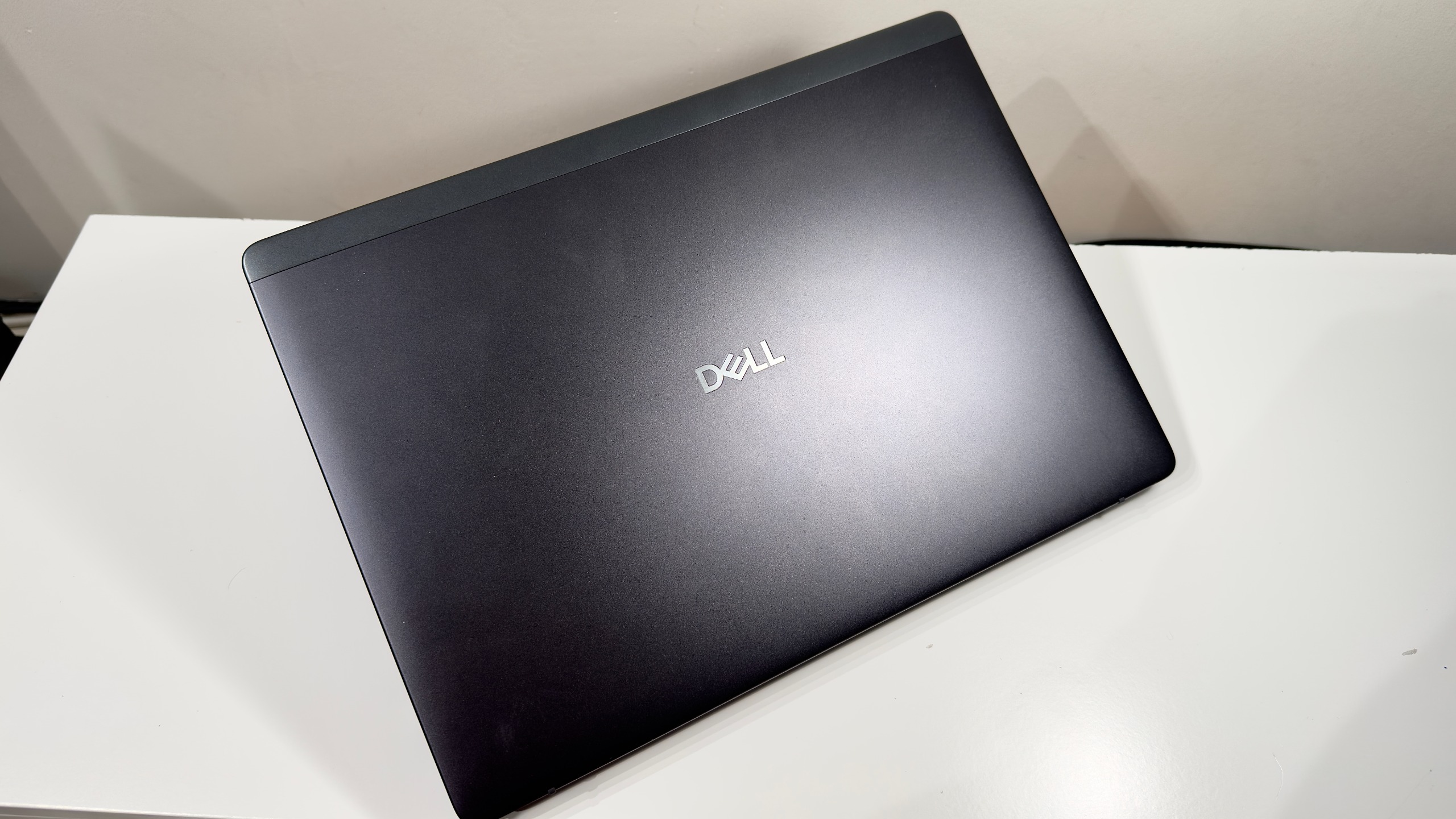 The Dell Pro 5 Series 14 laptop is a welcome return to form – but it's battery life is underwhelming
Reviews A 14in business laptop that's powerful, upgradable, and well-designed from top to bottom
-
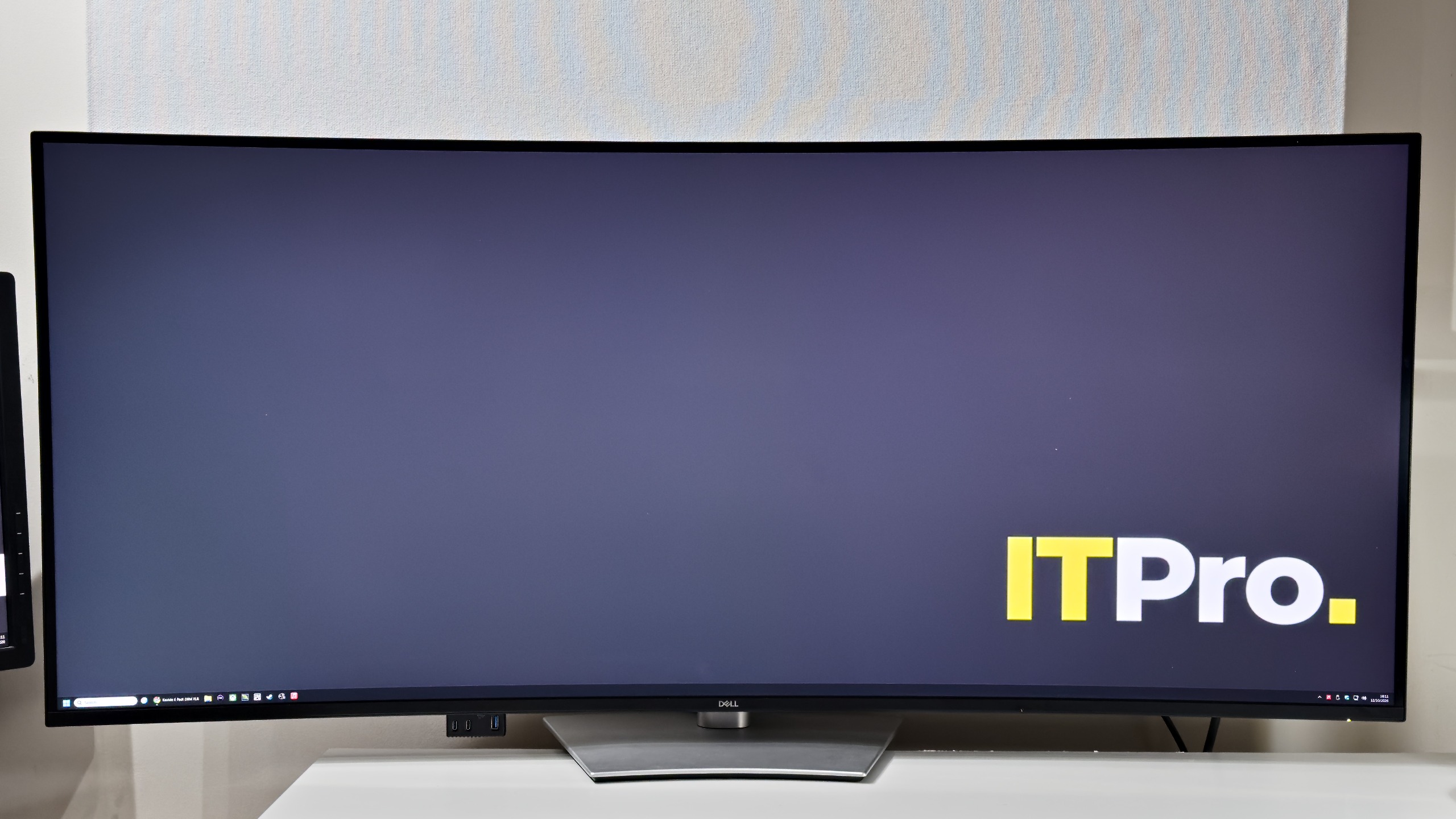 Dell UltraSharp U5226KW review: The perfect ultrawide monitor for power users
Reviews A gargantuan ultrawide monitor perfect for power users and 4K video editing – but image quality pales in comparison to professional panels
-
 Is your data ready for the AI rush? Questions IT leaders should ask before scaling AI
Sponsored IT leaders face an array of considerations when embarking on an AI initiative, but what areas should they prioritize?
-
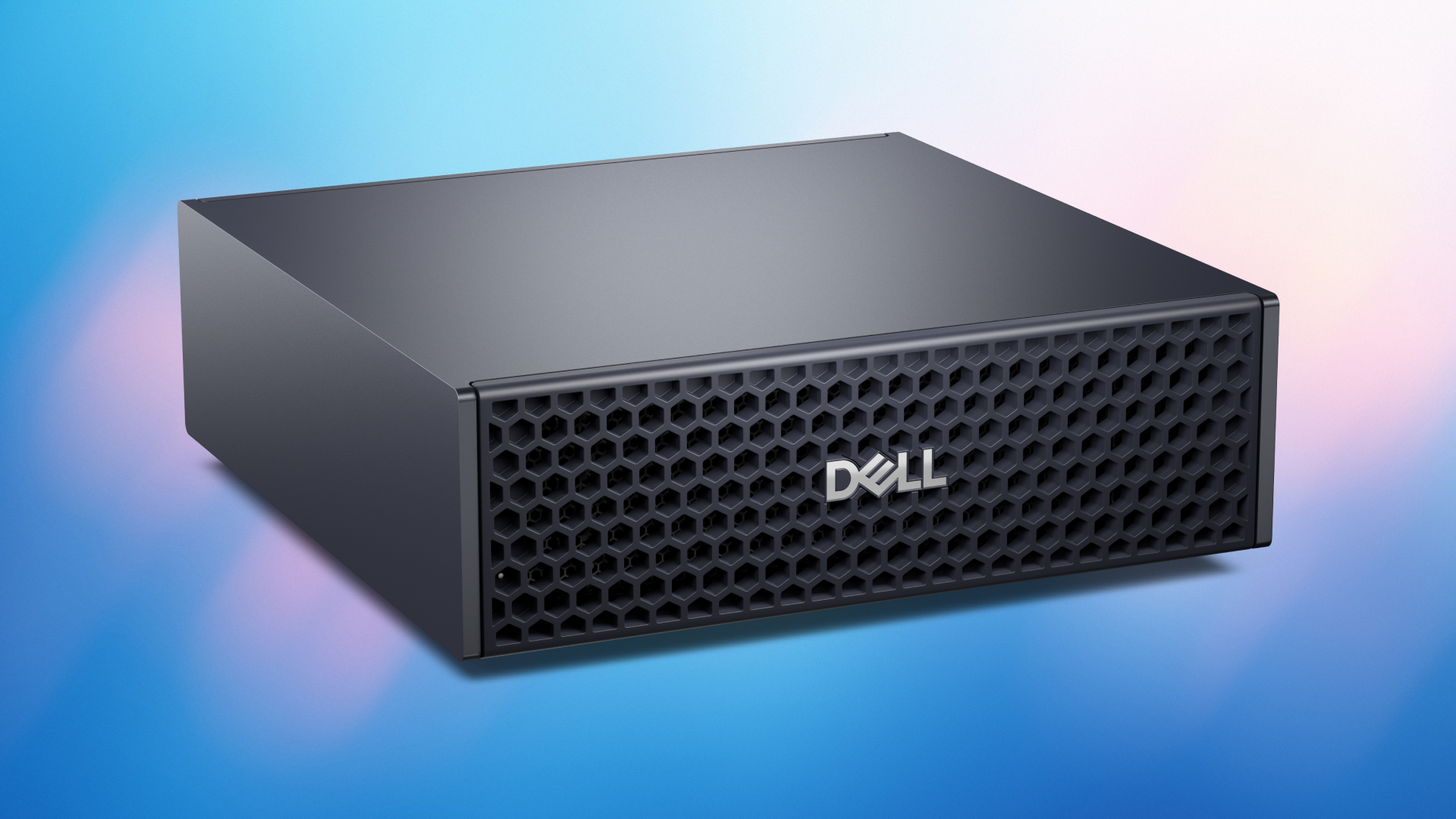 8 reasons the NVIDIA-powered Dell Pro Precision with GB10 could become every AI developer’s favorite tool
Sponsored How Dell Pro Precision with GB10 puts frontier-level AI compute on your desk (and could save you money on token spend)


