‘We can assume that all threat actors are using AI in some capacity’: Cyber researchers warn hackers are ramping up automated attacks
Google Threat Intelligence Group has issued a warning over the increased threats posed by hackers using agentic AI tools


-
 PHP vulnerabilities spark global scramble as websites taken down
News The impact of critical PHP vulnerabilities has been felt worldwide
-
 Veeam launches new global program for sovereign service providers
News The initiative introduces a new competency to help customers identify local providers with the expertise to address data sovereignty requirements


-
 AI agents have a mind of their own – and that’s a problem for businesses
New research shows that half of organizations are having to deal with agent behaviour that hasn't been authorized or approved.
-
 Trust your AI agents? New research shows ‘memory poisoning’ can dupe them into ‘remembering’ fake information – and it’s a huge security risk
News Memory poisoning allows hidden text on a webpage to be treated as fact and used to make harmful decisions
-
 An ‘unprecedented cyber incident’: How OpenAI models breached Hugging Face – and why it could herald a ‘new phase of AI-powered cyber crime’
News The incident should serve as a stark warning on the dangers of AI agents, according to cyber experts
-
 Google says AI is now being used to build zero-days – and we just narrowly avoided a 'mass exploitation event'
News Google cyber researchers think they’ve found the first AI-generated zero-day exploit
-
 Five Eyes agencies sound alarm over risky agentic AI deployments
News Security agencies have urged organizations to establish clear boundaries and guardrails for AI agents
-
 Enterprises are adopting agents faster than they can secure and govern them – experts warn it’s a disaster waiting to happen
News Identity systems developed for human interaction fail to cope with the new demands
-
 UK firms left in the dark over what workers are sharing with AI
News Security teams can’t keep track of what workers are sharing with AI applications, regardless of whether they’re approved or unauthorized
-
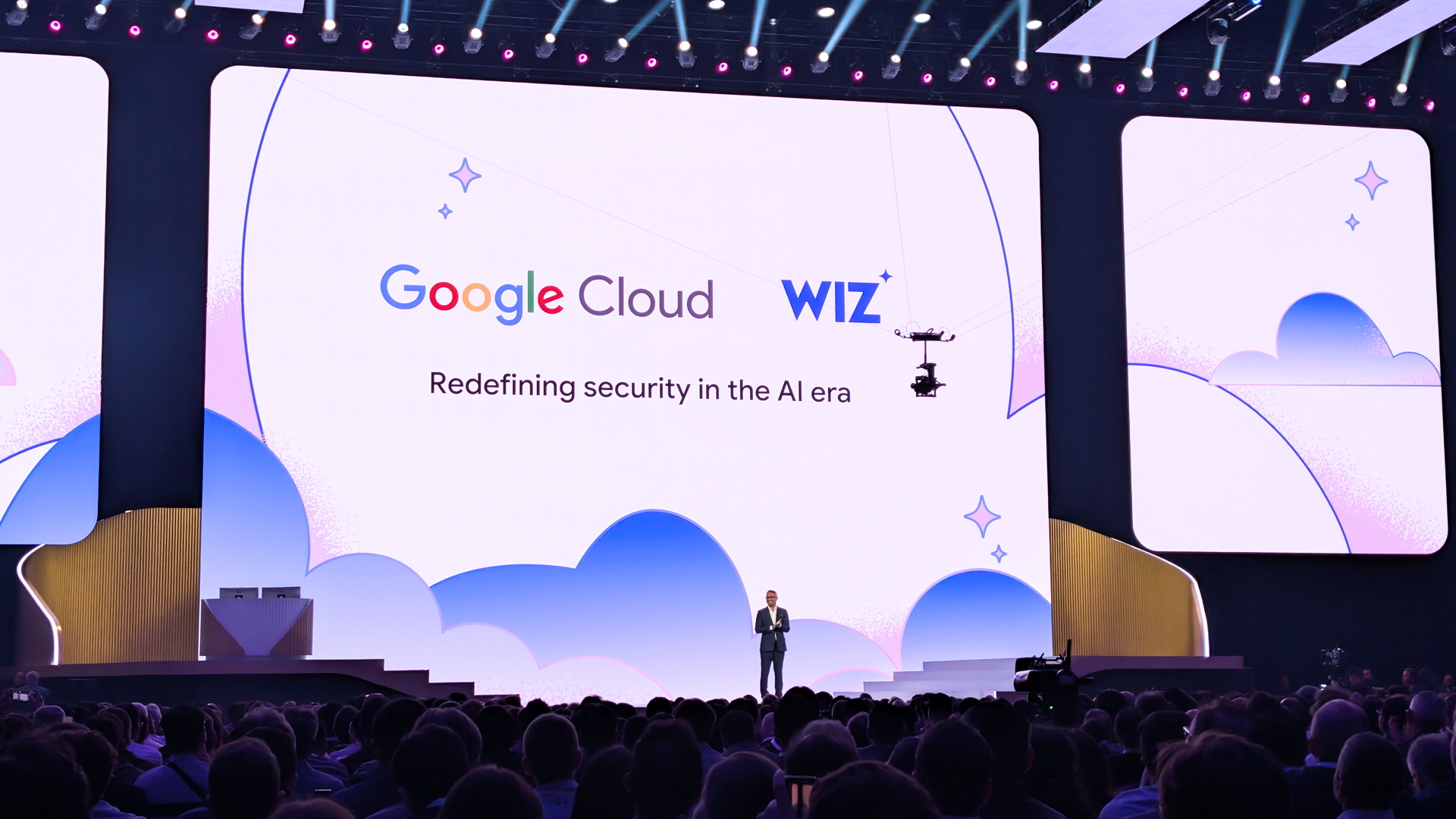 'The goal for this year will be to automate all security processes': Google Cloud is betting on Wiz to usher in a new era of AI security
News Wiz wants to deploy its agents for continuous penetration testing, and in Google it’s found a parent company that can achieve this vision at scale


