Safe AI adoption rests on cybersecurity professionals, says RSAC chairman
With AI security a key talking point at RSAC 2026, executive chairman Hugh Thompson believes the industry can lead by example


-
 Freelance tech pros beware: North Korean cyber criminals are targeting gig workers in a new malware campaign
News Fake tests during the recruitment process infect applicants' devices to steal cryptocurrency
-
 Orca Security launches new global partner program
News The Partner POD Program and Partner Success Platform aim to help partners improve efficiency, build expertise, and grow their cloud security businesses


-
 AI challenges mean it's time to shine for cyber professionals – but they need a helping hand
Analysis Keep your security pros close, you never know when you’ll need them to solve an AI-related crisis
-
 March rundown: RSAC warnings and Arm's AGI CPU
ITPro Podcast AI agents are complicating the jobs of cyber professionals, with broken permissions and a lack of oversight posing major risks
-
 Systems are deterministic, people are probabilistic – AI is both, and that's a headache for cyber teams
News AI combines both the risks associated with IT systems and the people using them, creating headaches for practitioners
-
 Tenable co-CEO Stephen Vintz says enterprises need to get serious about tackling the AI “responsibility gap”
News The Tenable chief wants a serious conversation on AI ownership and accountability
-
 The key risks security teams face in 2026
From AI-related flaws to supply chain risks, cyber professionals now contend with overlapping challenges
-
 Observability will be key to agentic AI safety, says Microsoft Security exec
News Agentic AI adoption will require a re-evaluation of enterprise risk management, according to Microsoft corporate VP
-
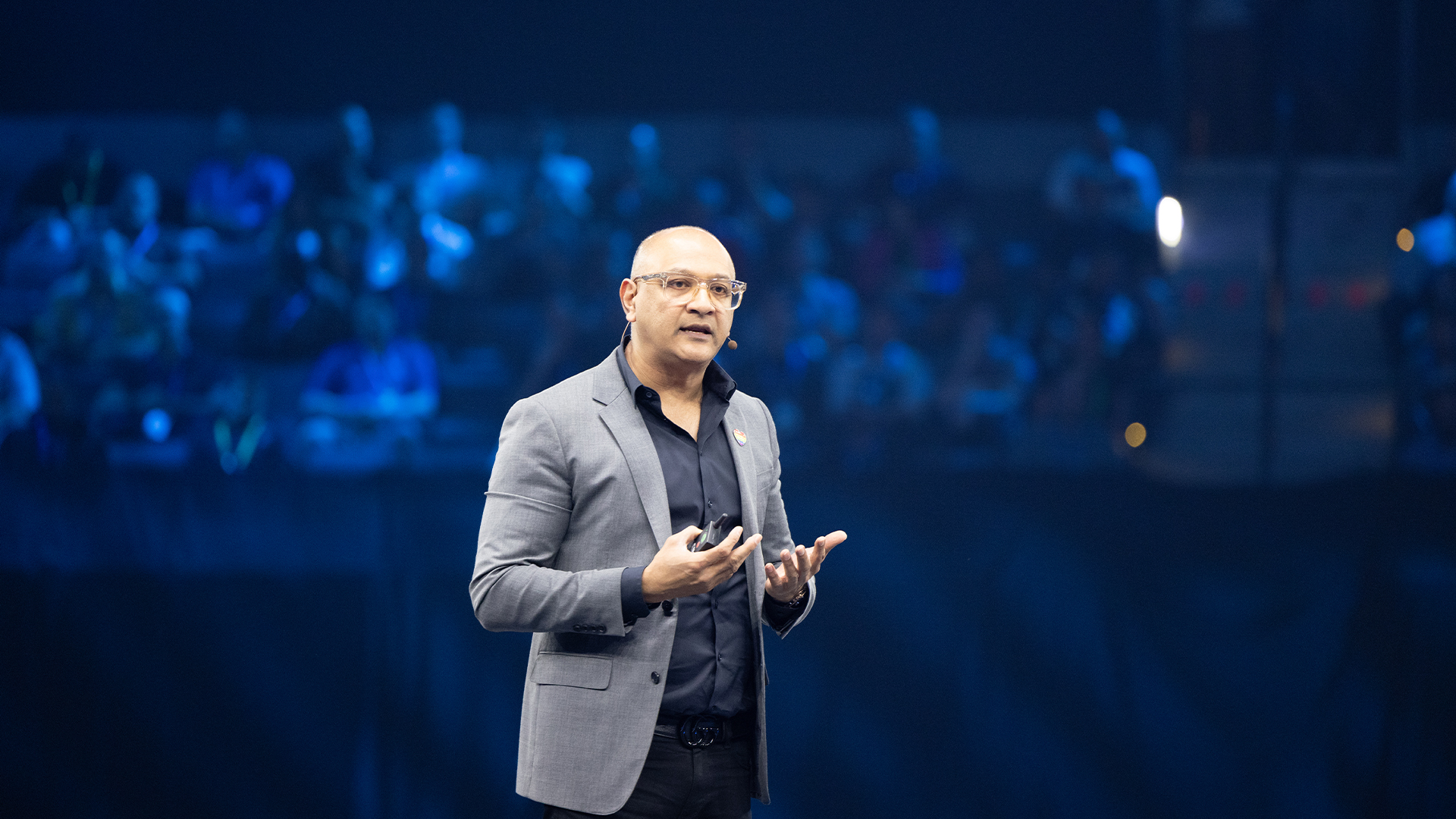 Enterprises need to think of agents as ‘digital co-workers’ – and that means implementing the same security safeguards
News Practices such as zero trust and least privilege will be needed as agents gain access to sensitive enterprise data
-
 RSAC in focus: Key takeaways for CISOs
The RSAC Conference 2025 spotlighted pivotal advancements in agentic AI, identity security, and collaborative defense strategies, shaping the evolving mandate for CISOs.


