Anthropic is increasing Claude Code usage limits — here’s everything you need to know
The new deal will help Anthropic increase Claude Code usage limits, and API rate limits for Claude Opus models


-
 How resellers can turn hybrid meeting pain into repeatable revenue
Industry Insights Reliable technology turns hybrid work frustrations into recurring reseller revenue opportunities
-
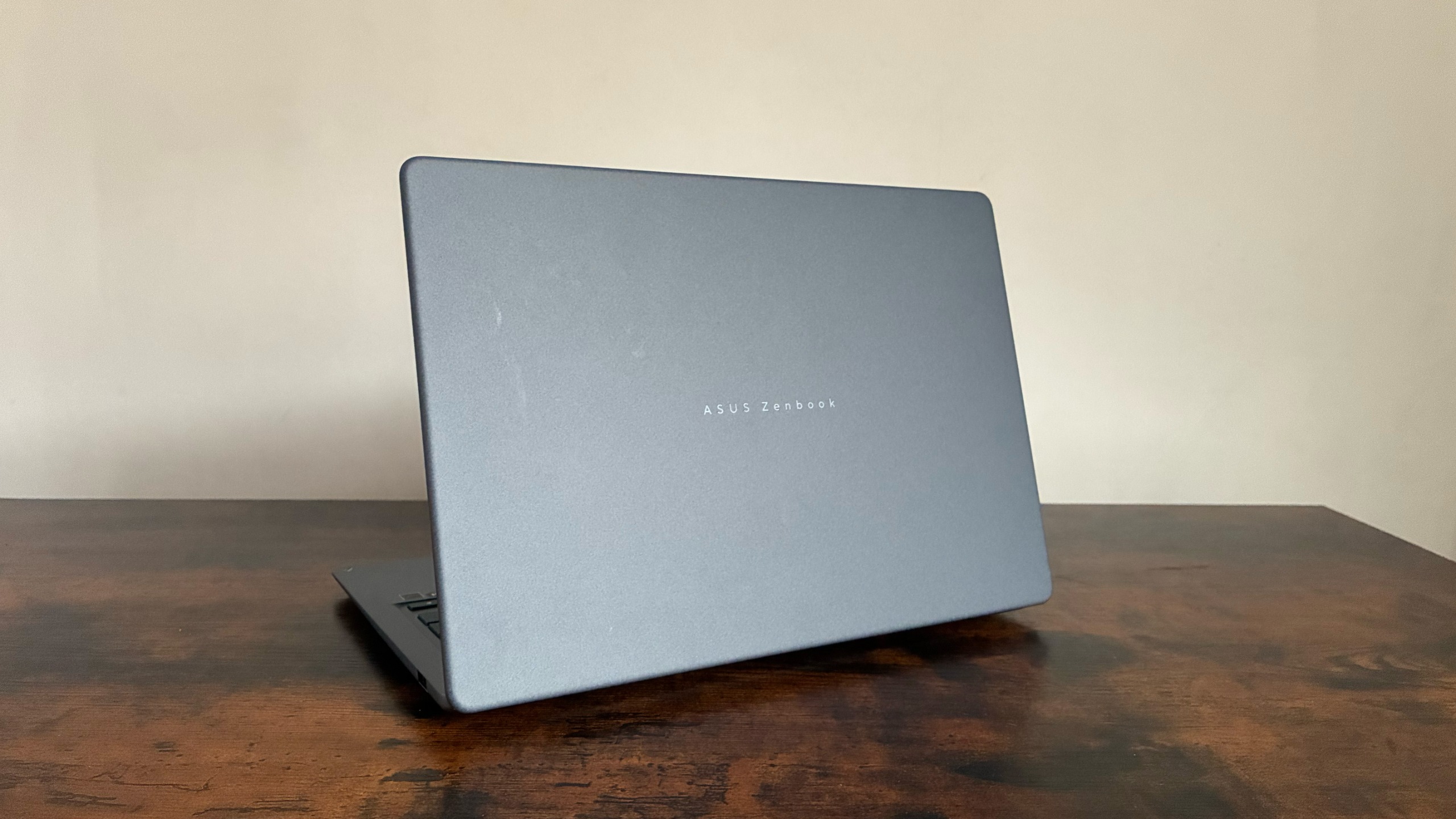 Asus Zenbook 14 (Snapdragon X UX3480Q) review
Reviews Poor battery performance and an older Snapdragon chip, but still a good choice for the office


-
 Meet Claude Tag, Anthropic’s new AI teammate that works in Slack
News The new Claude Tag tool will replace the existing Claude in Slack application
-
 Big tech is clamping down on open source ‘AI slop’ reports
News Firms including Microsoft, OpenAI, and Google have pledged funding to bolster open source security and cut down on slop reports
-
 Anthropic says ‘code review has become a bottleneck’ – this new Claude Code feature aims to solve that
News Anthropic’s new tool aims to address code review bottlenecks with AI tool — but it won't come cheap
-
Claude Code flaws left AI tool wide open to hackers – here’s what developers need to know
News The trio of Claude code flaws could have put developers at risk of attacks
-
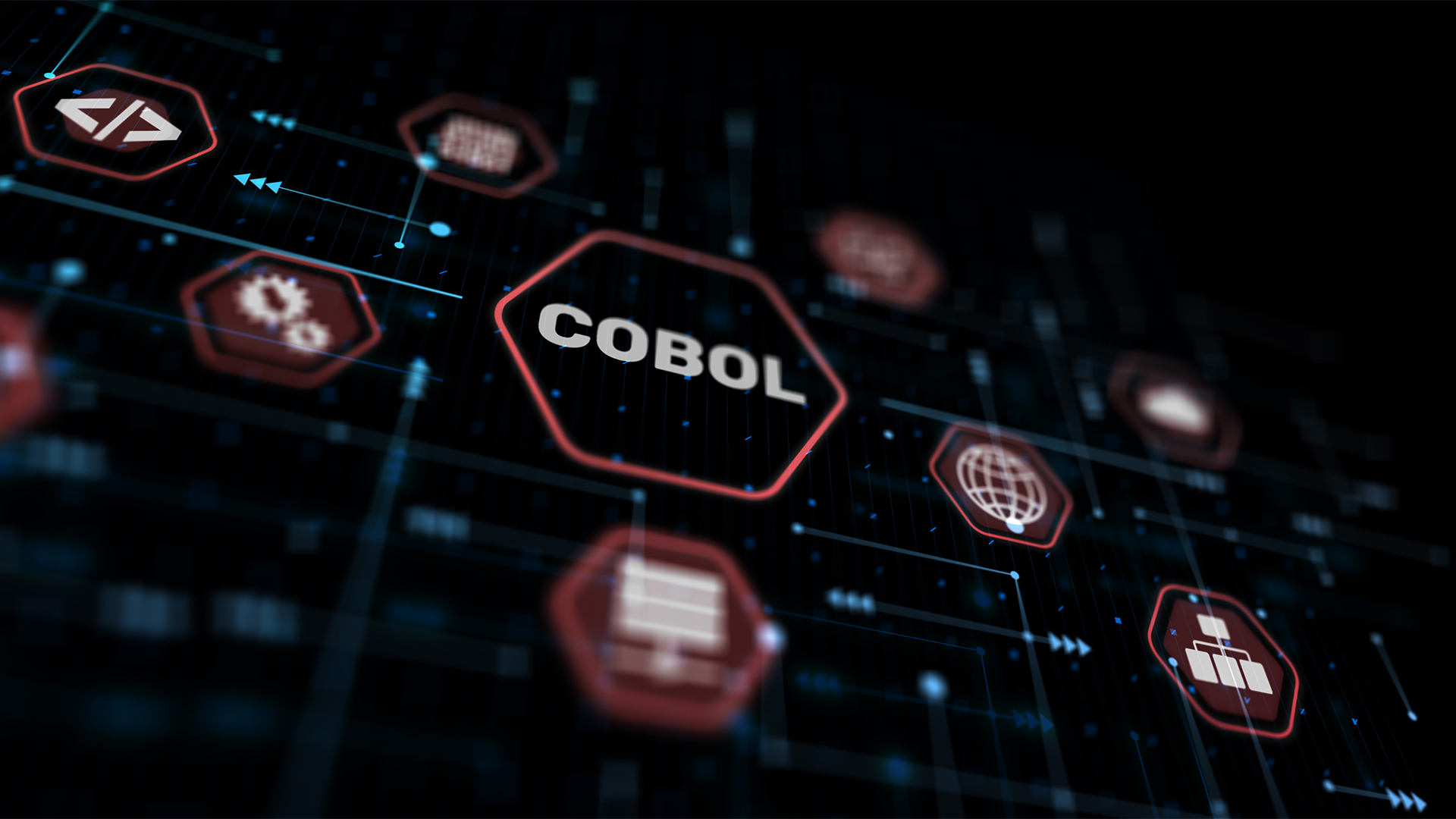 Anthropic says Claude Code can help streamline 'cost-prohibitive' COBOL modernization, but IBM says it's not that simple – 'decades of hardware-software integration cannot be replicated by moving code'
News Research from Anthropic claims Claude Code can simplify modernization of COBOL systems
-
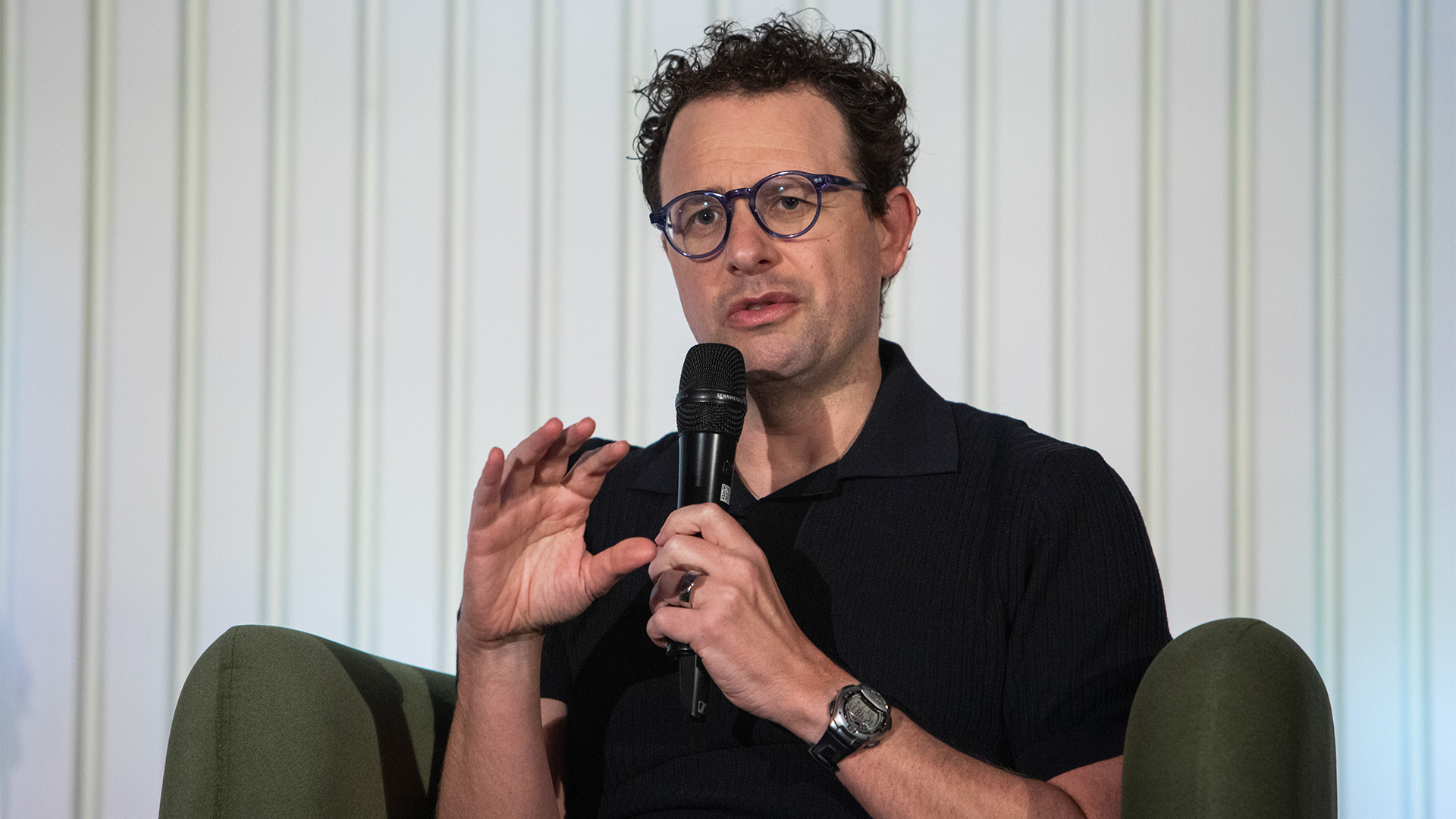 Claude Code creator Boris Cherny says software engineers are 'more important than ever’ as AI transforms the profession – but Anthropic CEO Dario Amodei still thinks full automation is coming
News There’s still plenty of room for software engineers in the age of AI, at least for now
-
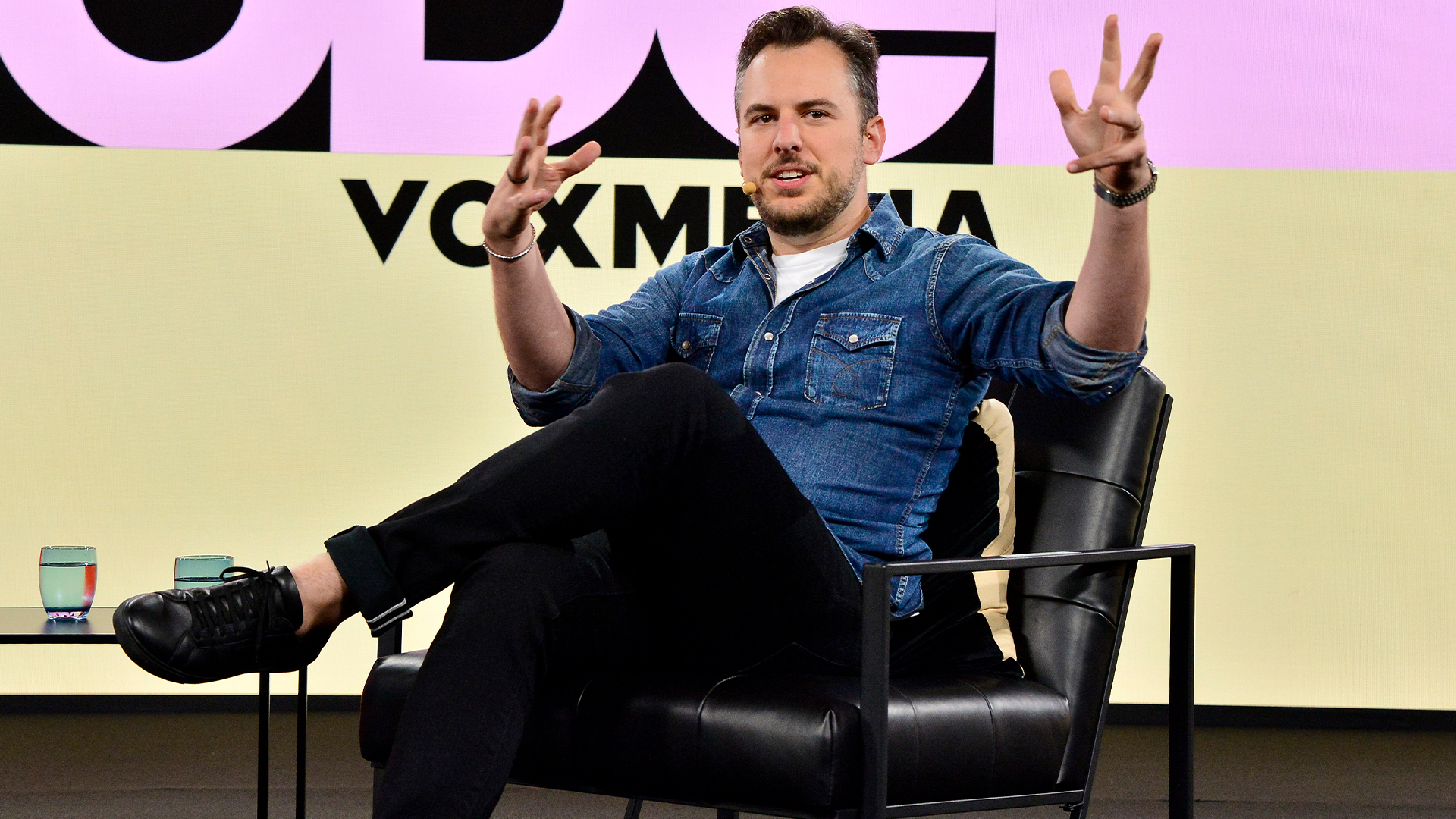 Anthropic Labs chief Mike Krieger claims Claude is essentially writing itself – and it validates a bold prediction by CEO Dario Amodei
News Internal teams at Anthropic are supercharging production and shoring up code security with Claude, claims executive
-
 Anthropic says MCP will stay 'open, neutral, and community-driven' after donating project to Linux Foundation
News The AAIF aims to standardize agentic AI development and create an open ecosystem for developers


