Google targets AI cost efficiency with new FinOps features for Gemini Enterprise
New cost control features and subscription options for Gemini Enterprise look to bring down spiralling AI costs


-
 How to lay the foundations of a modern data center fit for the AI era
REPORT Power your AI future with a secure, modernized, and resilient data center infrastructure
-
 Overe targets MSP and SMB security gains with former Sophos CSO appointment
News Overe wants to bolster support for MSPs and small businesses after a “massive win” on the recruitment front


-
 Google just spent $10 million in an auction for Spirit Airlines data – 100 million emails, 500 million Microsoft Teams chats, and 30 million lines of code will be used to improve AI models and products
News AI developers are struggling to find enough data to train their models, sparking a bidding war for failed Spirit Airlines deidentified data
-
 Oracle integrates Google's Gemini AI models into enterprise apps
The deal aims to give broader access to Gemini models that can support AI agents and accelerate development
-
 ‘AI cost management has the same problems that cloud had’: Enterprises are still facing huge AI bills thanks to ‘tokenmaxxing’ – that means FinOps practices are more important than ever
News With firms facing surging AI bills, FinOps techniques are more important than ever
-
 Microsoft joins competitors in handing over AI models for advanced testing
News US and UK government agencies will evaluate the firm's frontier models, along with those from Google and xAI
-
 Google is building its own OpenClaw alternative — Remy ‘elevates the Gemini app into a true assistant’
News The OpenClaw-style agent, dubbed ‘Remy’, is reportedly being tested by developers internally
-
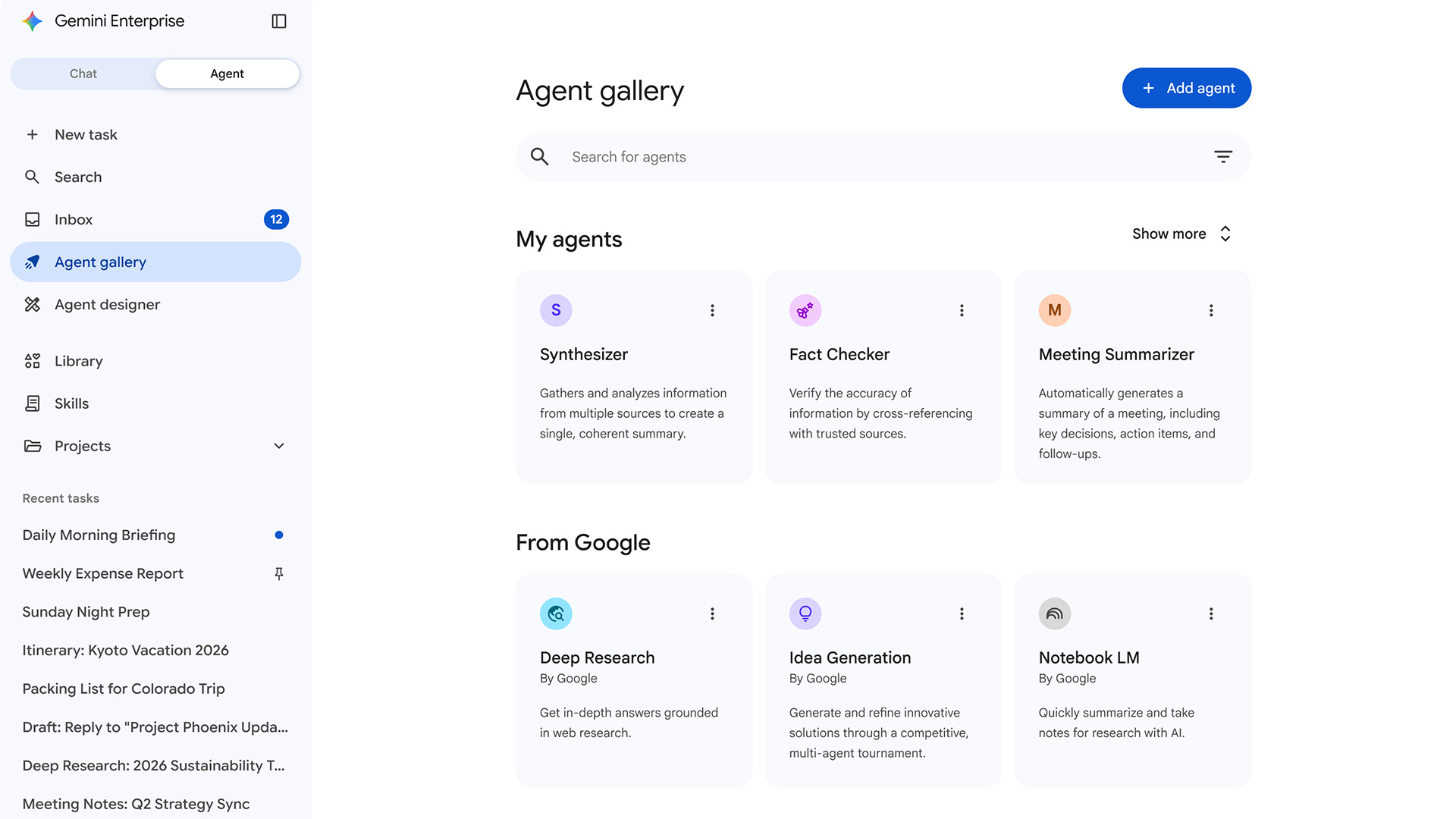 Google expands Gemini Enterprise, consolidates Vertex AI services to simplify agent deployment
News Gemini Enterprise Agent Platform aims to help organizations to build, scale, govern, and optimize AI agents
-
 Google says hacker groups are using Gemini to augment attacks – and companies are even ‘stealing’ its models
News Google Threat Intelligence Group has shut down repeated attempts to misuse the Gemini model family
-
 ‘The fastest adoption of any model in our history’: Sundar Pichai hails AI gains as Google Cloud growth, Gemini popularity surges
News The company’s cloud unit beat Wall Street expectations as it continues to play a key role in driving AI adoption


